PG&E Updates on Fire Season and Forecast Tech
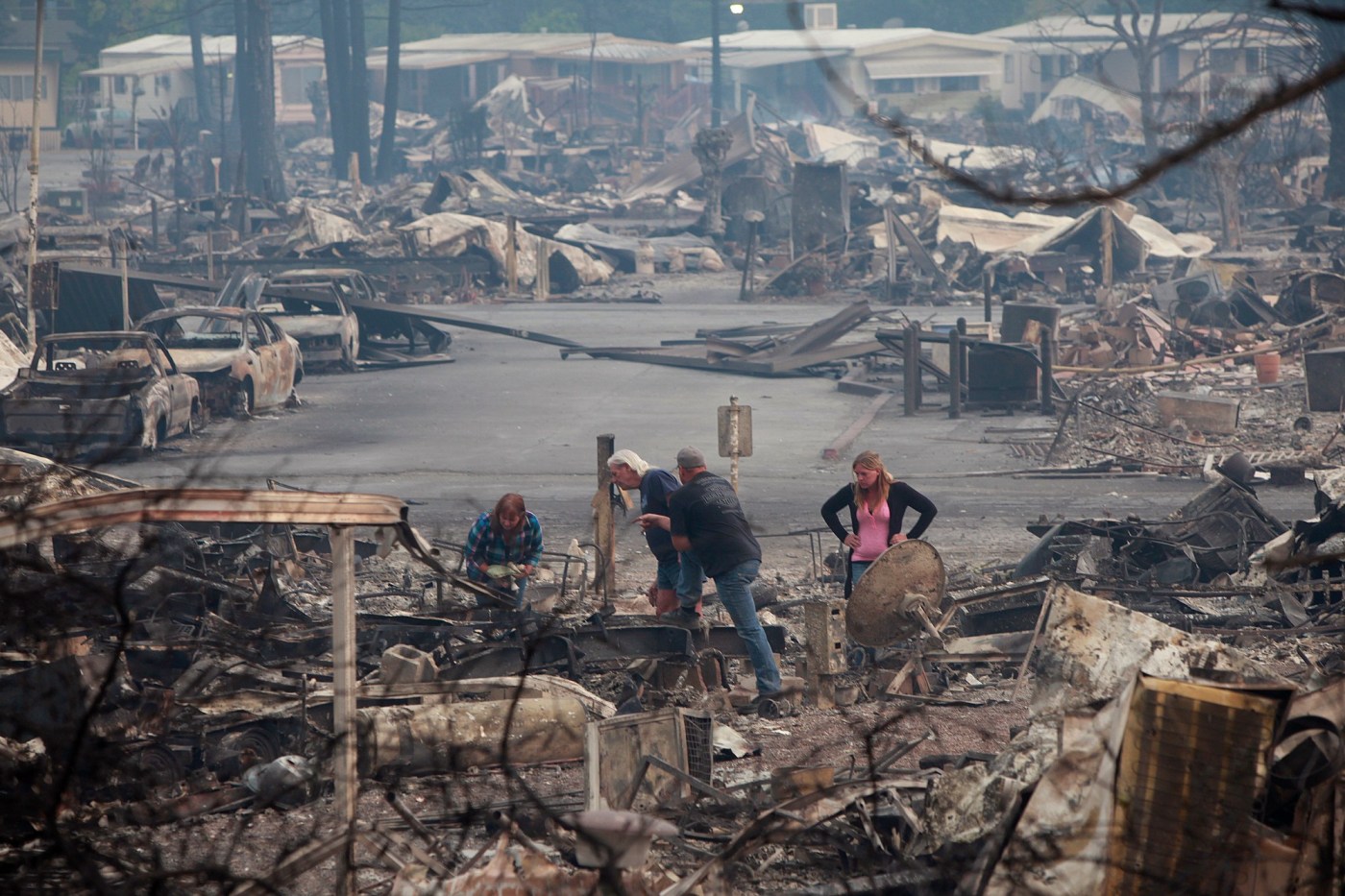
The Aftermath of the Tubbs Fire and the Evolution of PG&E
The Tubbs Fire, which devastated Sonoma County in 2017, was more than just a natural disaster—it was a catalyst for change. This fire left deep scars on communities, but it also sparked a transformation within Pacific Gas and Electric Co. (PG&E), leading to innovative measures aimed at preventing future wildfires and ensuring customer safety.
Scott Strenfel, PG&E’s Chief Meteorologist, reflected on that day as a turning point. He mentioned that following the massive wildfire events in the North Bay and the Sierra region, PG&E launched a mission to install weather stations and implement Public Safety Power Shutoffs (PSPS). These steps were critical in addressing the growing risks associated with extreme weather conditions and potential fire ignitions.
Expanding Weather Monitoring Infrastructure
To enhance its ability to monitor weather patterns across its service area, PG&E has installed over 1,600 weather stations. These stations cover an area of approximately 70,000 square miles, primarily in Northern California, but also extending into parts of Southern California. The diverse topography of the state creates numerous micro-climates, making accurate weather tracking essential for preparedness.
Strenfel explained that each of these weather stations sends real-time data every 10 minutes, providing critical information on wind, temperature, and humidity. This data is then used to develop machine learning models, such as the Fire Potential Index, which plays a vital role in predicting the likelihood of a small ignition becoming a large-scale wildfire.
Advanced Predictive Models and Historical Data
The Fire Potential Index relies on extensive historical data, including weather conditions from the past 30 years. By analyzing this data alongside records of historical fires and fuel moisture levels, PG&E's data scientists have created algorithms that help predict the probability of a fire becoming catastrophic. This allows the company to assess risks across its territory with remarkable precision, updating forecasts every hour.
According to Strenfel, the number of wildfires has increased compared to 2024 and the average fire year. However, the total acreage burned has decreased. For example, between January 1 and August 25, 2024, there were 5,132 wildland fires that burned 407,824 acres. In contrast, during the same period in 2025, there were 5,881 fires that burned 387,002 acres.
Navigating Fire Season with Precision
Strenfel emphasized that the current fire season is ongoing, and the only way to end it is through rainfall. He highlighted the unpredictable nature of weather, noting that heat combined with wind can lead to catastrophic fires. This underscores the importance of the weather stations and predictive models in PG&E’s efforts to keep customers safe and prevent wildfires.
Enhancing Decision-Making with Technology
Strenfel also spoke about the role of advanced technology in decision-making. By integrating the best weather models and scientific expertise, PG&E aims to make informed choices regarding PSPS. Some of the company's models analyze what could have happened if power had not been shut off, helping to evaluate the effectiveness of these measures.
After a PSPS, crews conduct helicopter patrols to inspect lines for damage. Each location of damage is documented, allowing PG&E to simulate scenarios of what might have occurred without the power shutoff. While these models cannot guarantee outcomes, they provide valuable insights that contribute to safer operations.
Looking Ahead: Innovation and Climate Change
Strenfel expressed optimism about the future, noting that many of the technologies developed since 2017 are making communities safer. However, he also acknowledged the challenges posed by climate change, which is altering risk patterns. As the climate continues to evolve, PG&E must remain vigilant and adaptable, continuously improving its tools and strategies to outpace the rising risks.
In conclusion, the lessons learned from the Tubbs Fire have driven PG&E to innovate and adapt, creating a foundation for future advancements in wildfire prevention and customer safety. With a commitment to leveraging technology and scientific expertise, the company is better equipped to face the uncertainties of an ever-changing climate.

Post a Comment for "PG&E Updates on Fire Season and Forecast Tech"
Post a Comment