Opinion: The American Dream's Dark Reality for Unaccompanied Children
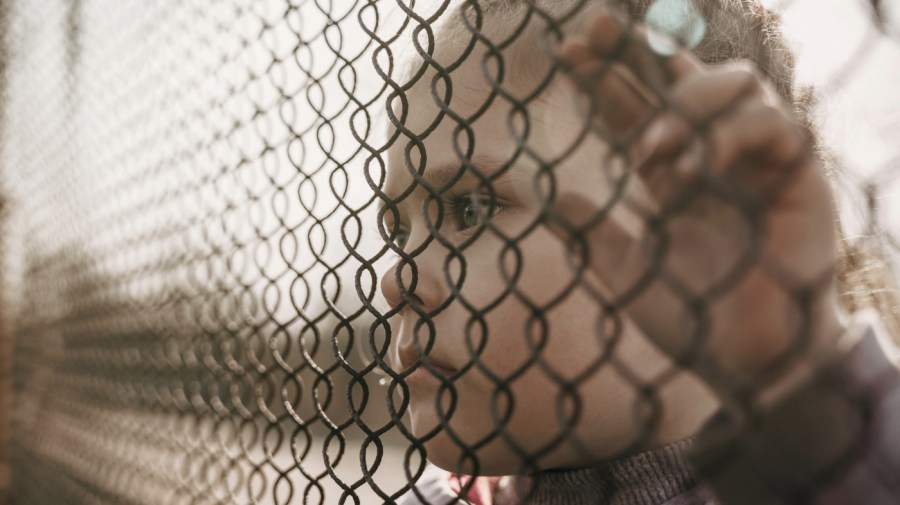
The Risks of Unaccompanied Children Crossing the U.S. Border
The issue of unaccompanied children crossing the U.S. border has been a growing concern for years, with significant risks involved for these vulnerable individuals. Despite warnings from government officials, many parents from other countries continue to send their children into dangerous situations, often relying on smugglers to facilitate their journey. This practice exposes children to severe risks, including physical and psychological harm, exploitation, and even trafficking.
In 2014, former President Barack Obama’s Homeland Security Secretary, Jeh C. Johnson, issued an open letter to Central American parents, cautioning them about the dangers associated with sending their children across the border without proper supervision. He highlighted that many children were subjected to trauma, abuse, or worse, during their journey. The letter emphasized that while the desire to provide a better life for children is understandable, the risks of illegal migration for unaccompanied minors are too great.
Despite these warnings, the number of unaccompanied children apprehended at the border continued to rise. In 2014, the number reached a record high of 68,541. This trend persisted, with apprehensions exceeding 130,000 each year between fiscal 2021 and fiscal 2023. By the first 10 months of fiscal 2024, the number had already surpassed 87,475.
Legal Framework for Handling Unaccompanied Children
The Trafficking Victims Protection Reauthorization Act of 2008 established specific procedures for handling unaccompanied children who cross the border illegally. According to this law, the Border Patrol must transfer these children to the Department of Health and Human Services (HHS) within 72 hours. If the child is from Mexico or Canada, they should be screened within 48 hours and returned to their country of origin unless there is credible evidence that they would face trafficking or persecution.
The HHS Office of Refugee Resettlement is responsible for the care of these children until they are released to a sponsor. Once released, the sponsor becomes responsible for the child's well-being, although Immigration and Customs Enforcement (ICE) remains in charge of monitoring their immigration proceedings.
Challenges in Monitoring Released Children
Recent reports have highlighted significant challenges in effectively monitoring these children once they are released. A report from Homeland Security’s Office of Inspector General revealed that ICE struggles to track the whereabouts of unaccompanied children after they are released. From fiscal 2019 to fiscal 2023, over 31,000 release addresses were either blank, undeliverable, or missing apartment numbers. Additionally, ICE has not been able to verify the accuracy of more than 400,000 other addresses due to a lack of sufficient officers.
A June report from ICE also found that many children were released to sponsors who had not been properly vetted. These sponsors were found to have histories of serious crimes, including child sexual abuse, poor living conditions, forced labor, and even attempted murder. The Trump administration initiated a national welfare search to locate these children, but the effort faces similar limitations as those encountered by ICE.
The Consequences of Poor Oversight
The situation highlights a troubling gap in the system designed to protect unaccompanied children. While the laws were intended to safeguard these vulnerable individuals, the reality has shown that the process can lead to further harm. The lack of effective oversight and monitoring has created an environment where children may be placed in dangerous situations, potentially leading to trafficking, exploitation, or other forms of abuse.
This ongoing issue raises important questions about the effectiveness of current policies and the need for stronger safeguards to ensure the safety and well-being of these children. As long as the system fails to adequately monitor and support released children, the risk of harm will continue to exist.
The Need for Reform
The situation underscores the importance of reforming the way unaccompanied children are handled upon entry into the United States. It is essential to implement stricter verification processes for sponsors, improve tracking mechanisms, and increase resources for agencies like ICE to effectively monitor the children under their care. Without such changes, the cycle of risk and harm will likely continue, endangering the lives of countless children.

Post a Comment for "Opinion: The American Dream's Dark Reality for Unaccompanied Children"
Post a Comment