Oldest Mummification Evidence Discovered in Asian Smoke-Dried Remains
The Discovery of the World’s Oldest Mummy
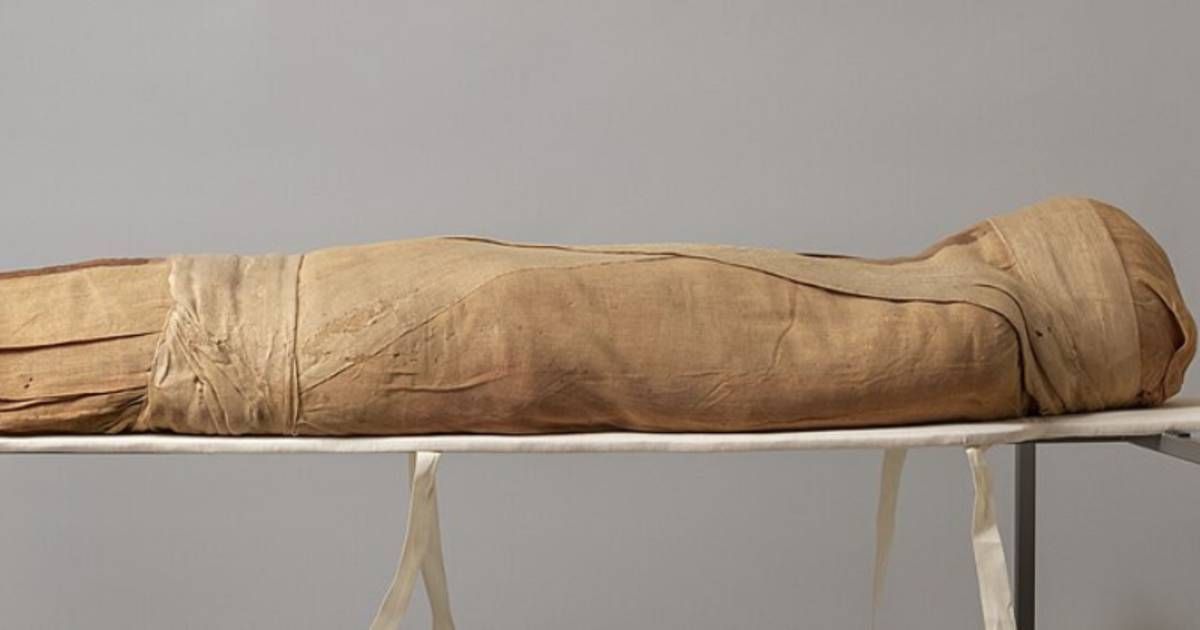
The discovery of the oldest known mummy on Earth has provided compelling evidence that early humans engaged in a deliberate and complex process of burial. Researchers have found that hunter-gatherers in Asia used techniques such as smoking, drying, and other methods to preserve bodies up until 14,000 years ago. This practice represents the earliest known form of human mummification, according to a study published in the journal Proceedings of the National Academy of Science (PNAS). By analyzing dozens of burial sites, scientists uncovered a variety of preservation techniques, including heat, smoke, salts, freeze-drying, and embalming. These methods were used to remove moisture from soft tissues, prevent decay, and ensure the long-term preservation of organic matter.
Burial Practices with Unusual Characteristics
The remains discovered in China, Vietnam, and Indonesia did not appear to be visibly mummified at first glance. However, further investigation revealed that the skeletons had been tightly folded into a squatting position before being buried. Many of these remains showed signs of charring, which suggested exposure to low heat over extended periods. This process likely helped dry out and preserve the bodies. Similar techniques have been historically associated with indigenous Australian groups and people from Papua New Guinea. Experts noted that the crouching positions of the skeletons in this latest analysis bear striking similarities to modern smoke-dried mummies.
Rethinking the Timeline of Mummification
This discovery has led scientists to reconsider the timeline of human mummification practices. While the earliest examples of mummification are often attributed to the Chinchorro culture in northern Chile, dating back around 7,000 years, and the ancient Egyptians, who practiced mummification around 4,500 years ago, the findings in Southeast Asia push this timeline back by thousands of years. According to Dr. Hsiao-chun Hung, lead author of the study and a senior research fellow at Australian National University, these discoveries suggest that hunter-gatherer communities had intricate systems for handling the deceased, rooted in various cultural and spiritual beliefs.
The Role of Custom and Belief in Preservation
Dr. Hung emphasized that the process of creating a single smoked mummy required about three months of continuous care by family or community members. This level of dedication indicates deep emotional and spiritual commitment. Using advanced techniques such as X-rays and light-based imaging, the research team examined the bone structures of the remains in detail. They found structural changes in most samples, likely caused by exposure to heat. Some bodies were exposed to temperatures above 932 degrees Fahrenheit (500 degrees Celsius), while others showed signs of lower heat levels consistent with smoke exposure. Peter Bellwood, an archaeologist and co-author of the study, described this as a clear sign of intentional preservation efforts.
Cultural Significance Beyond Decay Prevention
According to Dr. Hung, the act of smoking bodies was not merely a practical method of slowing decay. It likely carried significant spiritual, religious, or cultural meaning. The discovery of skeletons in tight fetal positions, dried through prolonged exposure to smoke, across multiple regions in Southeast Asia suggests a widespread practice. Unlike the well-known mummies of ancient Egypt, these early smoked bodies were not sealed in containers after the process. As a result, their preservation only lasted for a few decades to a few hundred years. The researchers also believe that this deliberate mummification technique may have originated much earlier than previously thought, challenging existing assumptions about early human practices.

Post a Comment for "Oldest Mummification Evidence Discovered in Asian Smoke-Dried Remains"
Post a Comment