Officials Ban Common Household Items Linked to Health Risks: 'Break Into Harmful Tiny Pieces'
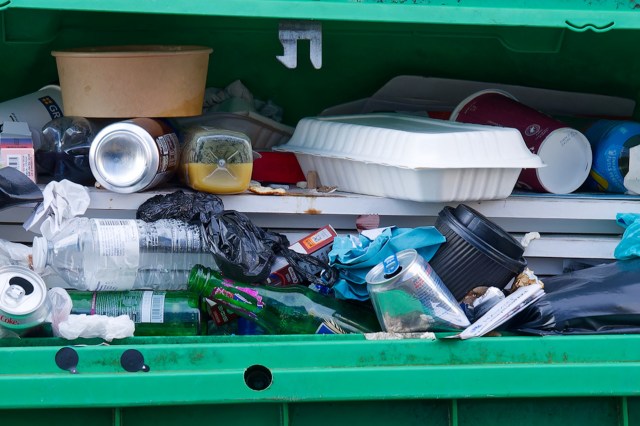
Western Australia Implements New Plastic Packaging Ban
Western Australia has taken a significant step in its efforts to combat plastic pollution by implementing a new ban on molded expanded plastic packaging. This move is part of the state's broader strategy to reduce plastic waste and protect both human health and the environment.
The ban specifically targets packaging made from molded plastics, such as expanded polystyrene (EPS), which are now prohibited from being sold or supplied within the state. These materials have long been criticized for their environmental impact, including difficulty in recycling and tendency to litter. The decision aligns with the goals of Plastic Free July, a local initiative that began in 2011 and has since grown into a global sustainability movement.
This action marks Stage 2 of the government’s plan to reduce plastic use. Prior to the ban’s implementation, there was a 28-month transition period designed to help businesses adapt. During this time, local government and industry groups like the National Retail Association worked closely with businesses to provide support and resources. This collaboration ensured that companies could explore and adopt alternative packaging solutions without disruption.
State Environment Minister Matthew Swinbourn emphasized the importance of the ban, stating that it reflects Western Australia’s commitment to reducing plastic pollution. He praised local retailers, manufacturers, and distributors for their proactive approach in making the shift to a plastic-free environment successful.
Molded plastics and polystyrene pose serious environmental and health risks. These materials are lightweight and often end up in natural environments, where they can harm wildlife. Polystyrene, in particular, is known for its potential to leach toxic chemicals, especially when used in food packaging. This presents a risk to human health and underscores the need for safer alternatives.
While some businesses may face challenges in adapting to the new regulations, the ban represents a positive step toward addressing global pollution issues. Pro-climate policies like this one encourage innovation and drive progress in sustainable practices. They also pave the way for more comprehensive national legislation aimed at reducing plastic waste.
The Impact of Plastic Bans
Bans on single-use plastics have sparked debates about the role of states in regulating business practices. Some argue that such measures are essential for protecting public health and the environment, while others express concerns about economic impacts and consumer choice. Ultimately, the success of these bans depends on the availability of viable alternatives and the willingness of industries to adapt.
Consumers can also play a crucial role in reducing plastic use. By choosing products with minimal or no plastic packaging, individuals can contribute to the broader movement toward sustainability. Fortunately, plastic alternatives are becoming more accessible, with an increasing number of brands adopting eco-friendly packaging solutions.
Moving Forward
The ban on molded expanded plastic packaging in Western Australia highlights the power of collaboration between governments, industry leaders, and communities. It serves as a model for how collective action can lead to meaningful change. As more regions consider similar measures, the focus will likely shift toward developing sustainable practices that balance environmental protection with economic viability.
For those interested in learning more about sustainable living, there are numerous resources available. From free newsletters offering practical tips to lists of easy ways to reduce personal plastic consumption, there are many opportunities to make a difference. By taking small steps in daily life, individuals can contribute to a larger movement toward a cleaner, healthier planet.

Post a Comment for "Officials Ban Common Household Items Linked to Health Risks: 'Break Into Harmful Tiny Pieces'"
Post a Comment