NYC Shooter Held Nevada Gun Permit; NYPD Investigates Mental Health and Firearm Access
Ongoing Investigation into the New York City Shooting
As the investigation continues to uncover the motive behind a deadly shooting in New York City on Monday night, several critical questions remain about the suspect's weapons and how he acquired them. The incident has sparked a detailed examination of the firearms used in the attack and the legal processes that allowed the suspect to possess them.
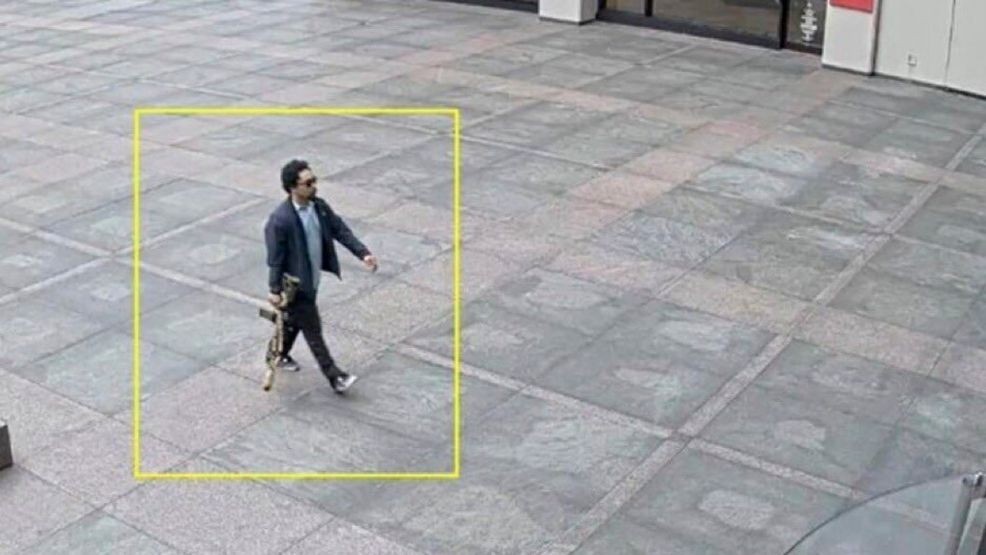
The NYPD is currently looking into the guns used by 27-year-old Shane Tamura, who allegedly killed four people at a high-rise in New York City. Another firearm was discovered in his car after the attack, raising further concerns about his access to lethal weapons.
New York City Mayor Eric Adams addressed the situation on Tuesday, stating that his team would travel to Las Vegas to conduct a thorough investigation into the firearms. “We need to determine if they were legally possessed and if he was allowed to carry them,” he said.
Detectives have issued search warrants for two Las Vegas homes linked to Tamura and a local gun store. Investigators believe that an associate of Tamura purchased one component of the AR-style rifle used in the attack, while Tamura himself assembled the weapon. Despite this, police confirmed that Tamura did hold a Concealed Carry Weapon Permit issued in Nevada.
NYPD Commissioner Jessica Tisch highlighted that Tamura has a documented mental health history, according to law enforcement partners in Las Vegas. This detail adds another layer of complexity to the case, as it raises questions about whether any preventive measures could have been taken to stop the shooting.
David Kohlmeier, a retired Henderson Police officer who previously worked with the NYPD, is involved in the investigation. He explained that investigators are examining whether there was any negligence or oversight that allowed Tamura to access the firearms. “We need to determine if things were done legally and whether anything could have blocked him from accessing the guns,” Kohlmeier said.
Nevada has a Red Flag law that enables family members and law enforcement to petition a court to remove firearms when someone is deemed unstable. However, it remains unclear whether this law applies to Tamura. Kohlmeier pointed out that the key question is whether Tamura was ever taken into custody for mental health issues and what communication occurred with local police regarding the removal of his firearms or the suspension of his CCW permit.
Kohlmeier also mentioned that the NYPD frequently sends officers to different cities, states, and even other countries to gather real-time intelligence. “They’ve had officers in Israel and India, among other places, to support intelligence efforts,” he said. This practice highlights the agency’s broad reach and its commitment to proactive policing.
In addition to examining Tamura’s gun possession, investigators are also reviewing the days leading up to the shooting and the route he took to New York City. They are using a license plate recognition system to track his movements and identify potential locations where he may have obtained the firearm.
Depending on the findings of the investigation, there could be changes at both the police and state levels. These might include revised protocols for mental health notifications to law enforcement or adjustments to the timeframe in which firearms can be removed from individuals deemed a threat.
Kohlmeier believes the investigation will not take long unless new information emerges suggesting the involvement of others, which he does not expect. For now, the focus remains on understanding how Tamura accessed the weapons and whether any systemic failures contributed to the tragedy.

Post a Comment for "NYC Shooter Held Nevada Gun Permit; NYPD Investigates Mental Health and Firearm Access"
Post a Comment