Nvidia dominates 94% GPU market — AMD's lag ahead
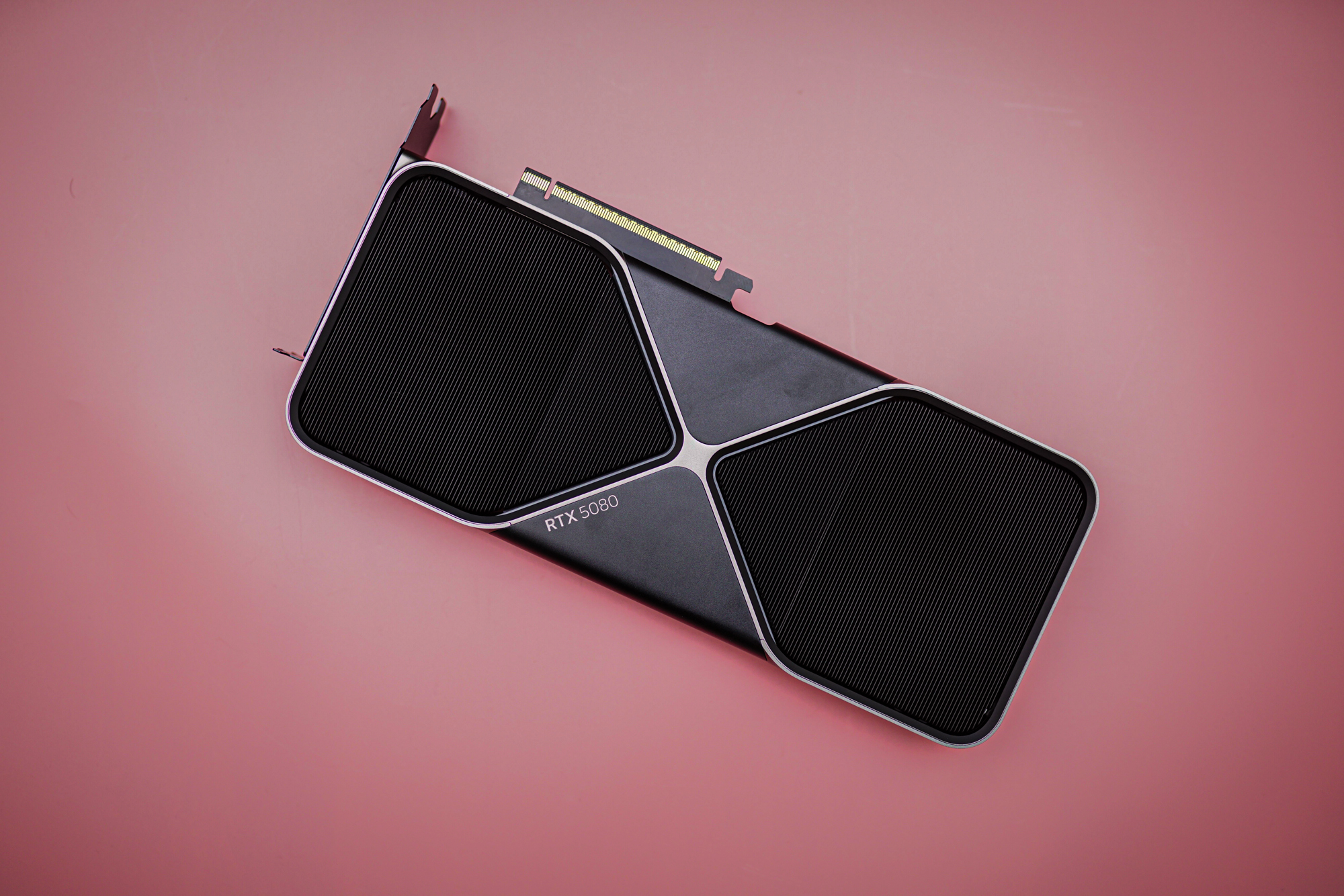
The Dominance of Nvidia in the GPU Market
Nvidia is not only known for producing some of the best graphics cards on the market but also for its overwhelming dominance in the entire GPU sector. This trend has been well-documented, but recent data from Jon Peddie Research highlights just how significant the gap between AMD and Nvidia has become.
According to the latest report, AMD is experiencing a decline in its GPU market share on a quarterly basis. This is concerning for AMD, while it's a clear advantage for Nvidia. There are several factors that could explain this shift in market dynamics.
Understanding Shipment Data
Jon Peddie Research (JPR) regularly provides insights into the shipment data for graphics cards and processors. It's important to note that these figures do not necessarily reflect actual sales. Instead, they represent the number of GPUs shipped to retailers or prebuilt systems. However, the data indicates that GPUs are moving off the shelves quickly, which suggests strong consumer demand and potentially robust sales figures as well.
In the second quarter of 2025, the global PC-based graphics add-in board market saw a massive 11.6 million shipments. Meanwhile, desktop CPU shipments reached 21.7 million units. This makes sense because many CPUs come with integrated graphics, making them suitable for both gaming and office use.
Market Share Analysis
The distribution of these shipments among Nvidia, AMD, and Intel tells a clear story. For Nvidia, the situation looks promising, while AMD faces challenges. According to the data, AMD’s overall add-in board market share dropped by 2.1% from the previous quarter and by a significant 6% year-over-year. Intel, on the other hand, remains at 0% market share, indicating a lack of presence in the GPU market despite some recent advancements.
Dr. Jon Peddie, president of JPR, noted that AIB prices dropped for midrange and entry-level products, while high-end AIB prices increased. Retailers ran out of stock, which is unusual for the second quarter. He attributed this to ongoing tariffs and buyers trying to secure products before potential price hikes.
The GPU Attach Rate and CPU Market
The GPU attach rate increased compared to the previous quarter, reaching 154% with a 2.3% increase. In contrast, the CPU market experienced a 4.4% year-over-year drop but saw a 21.6% quarter-to-quarter increase. While AMD might be performing better in the CPU segment, JPR hasn't released any recent data on this.
Why Is AMD Falling Behind?
While shipment numbers may not always reflect the full picture of the market, they do indicate a significant drop in AMD's influence over the past year. As a tech journalist with a decade of experience, I’ve observed the rivalry between Nvidia and AMD closely. Based on current trends, there are a few reasons why AMD might be struggling.
AMD currently offers fewer GPUs than Nvidia, and its lineup is smaller. The RDNA 4 generation includes only four GPUs: the RX 9070 XT and non-XT, as well as the RX 9060 XT and non-XT. While the RX 9060 XT isn’t widely available on the DIY market, it still contributes to shipment figures. By the end of the second quarter, the RX 9060 XT had just launched, so its shipments were limited.
In comparison, Nvidia’s RTX 50-series features a more extensive lineup, including the RTX 5090, RTX 5080, RTX 5070 Ti, RTX 5070, RTX 5060 Ti (in two variants), RTX 5060, and RTX 5050. Many of these models were available during the second quarter, contributing to higher shipment numbers.
The RX 9070 XT Launch Challenges
AMD’s focus on the midrange market with the RX 9070 XT and non-XT may not be an issue in itself. Most gamers play at 1080p and 1440p, where these cards perform well. However, the pricing and availability have been problematic. Despite their MSRP of $599 and $549, these cards have never been seen at those prices. Even with improved stock levels, they remain expensive, making them less attractive to consumers.
Nvidia’s shipments are also likely influenced by demand from the AI sector, particularly the RTX 5090, which serves dual purposes as a gaming and AI GPU. This broader appeal gives Nvidia a unique edge in the market.
Can AMD Make a Comeback?
Nvidia has consistently outperformed AMD in GPU sales for years, so AMD’s struggle to catch up is not surprising. However, losing 6% of its market share over a year is concerning. The question remains: will things improve?
AMD is reportedly working on an exciting new generation of GPUs with RDNA 5, which could change the landscape. Additionally, there may still be untapped potential within the RDNA 4 lineup. If AMD can make its products more accessible at reasonable prices, it could see a boost in shipments.
As an advocate for AMD, I believe the company has the capability to bounce back. These figures are not definitive, and while the 94% market share for Nvidia is impressive, AMD has quality products that could gain traction if given the right opportunities.
If you're looking for an AMD graphics card, keep an eye on the latest price trackers to find the best deals.

Post a Comment for "Nvidia dominates 94% GPU market — AMD's lag ahead"
Post a Comment