New data reveal surge in whooping cough cases in South Carolina
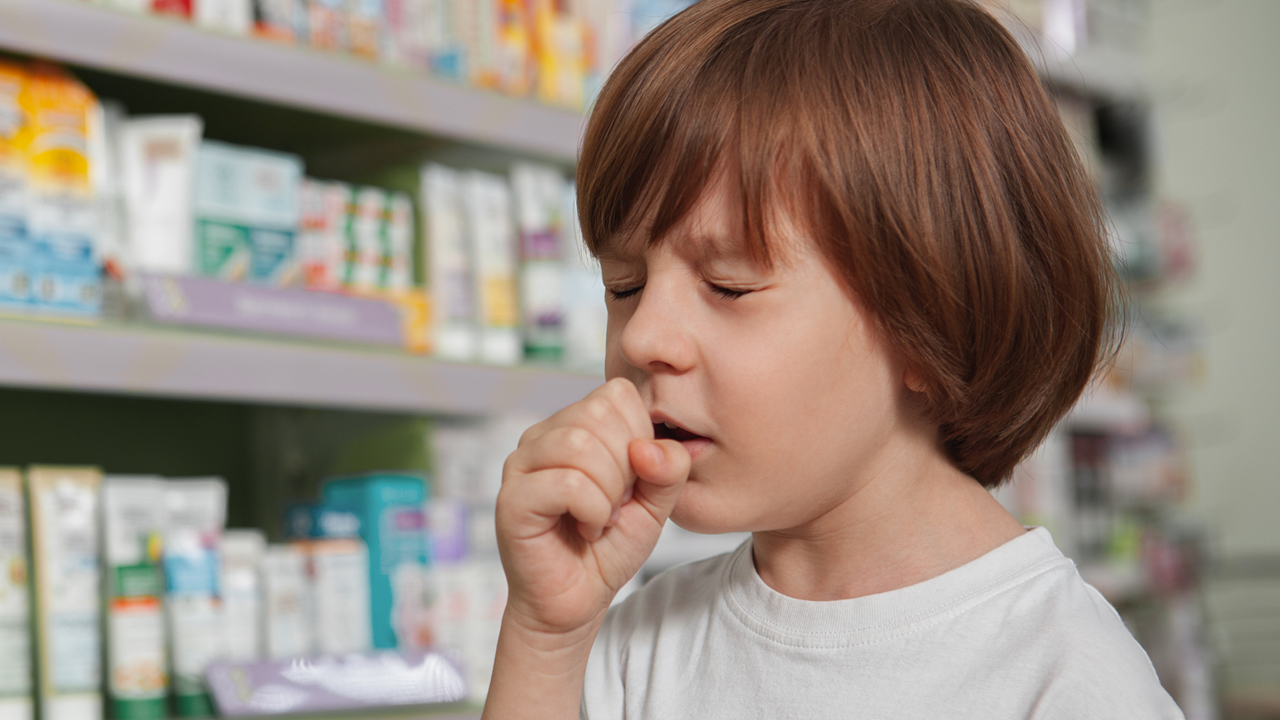
Rising Cases of Whooping Cough in South Carolina
The South Carolina Department of Public Health has reported a significant increase in pertussis cases, commonly referred to as whooping cough. As of July 30, there have been 183 confirmed cases across the state, marking a rise from 147 cases recorded at the same time last year. This upward trend has raised concerns among public health officials and residents alike.
Breakdown of Reported Cases by County
When examining the data for the current year, several counties in the Upstate region have not reported any cases of whooping cough. These include Abbeville, Cherokee, Laurens, Oconee, and Union counties. However, other areas have seen a noticeable increase in infections.
As of July 30, Anderson County has recorded 13 cases, while Pickens County has 14. Greenville County has experienced a sharp rise, with 24 cases reported—making it the second-highest in the state. Spartanburg County remains the hardest hit, with 45 cases reported. It is important to note that Greenwood County was excluded from the report for both years, which may affect the overall understanding of the situation.
Comparing the numbers to the same period in 2024, Abbeville, Laurens, Oconee, and Union counties had no reported cases. At that time, Cherokee and Pickens Counties combined had fewer than 10 cases, with Anderson County reporting seven and Greenville County recording 12. Spartanburg County, however, had a much higher number, with 74 cases reported in 2024.
Understanding Pertussis
Pertussis, or whooping cough, is a highly contagious respiratory illness that spreads through close contact, such as coughing or sneezing. The disease is characterized by intense coughing fits that can make breathing, eating, and sleeping difficult. In severe cases, the coughing can lead to vomiting or even difficulty breathing.
The illness poses a particular risk to vulnerable populations, including infants, pregnant women, and individuals with weakened immune systems. For babies, whooping cough can be especially dangerous, often leading to complications such as pneumonia, seizures, or even death.
Recognizing the Symptoms
Common symptoms of whooping cough include:
- Long or severe coughing fits
- A “whooping” sound when breathing in after a cough
- Vomiting after coughing
- Runny or stuffy nose
- Mild fever (or no fever at all)
It is crucial to recognize these symptoms early, as prompt treatment can help reduce the severity of the illness and prevent its spread.
Preventing the Spread of Whooping Cough
Vaccination is the most effective way to prevent whooping cough. According to the Centers for Disease Control and Prevention (CDC), the following vaccination schedule is recommended:
- Babies and young children should receive shots at 2, 4, 6, and 15–18 months, and again at 4–6 years.
- Pre-teens should get a booster shot around age 11 or 12.
- Adults should receive a Tdap booster if they haven’t had one before.
- Pregnant women should get a Tdap shot during each pregnancy, ideally between 27–36 weeks.
In addition to vaccination, staying home when sick and practicing good hygiene are essential in preventing the spread of the disease. Washing hands frequently and covering the mouth when coughing or sneezing can significantly reduce the risk of transmission.
Access to Vaccinations
Vaccinations are typically part of the routine childhood immunization schedule and are available at various locations, including:
- Pediatric and family practice offices
- Community health clinics
- Public health departments
For families who may struggle with the cost of vaccines, the Vaccines for Children (VFC) program offers free vaccines to eligible children. This ensures that all children, regardless of their financial situation, can receive the protection they need.
Additional Local News
In related news, local headlines have covered a range of topics, including an investigation into an incident at a football camp involving an Upstate high school coach, declining overdose deaths in Greenville County, and a video showing a deputy collapsing after fentanyl exposure. Other stories include a city councilman being intentionally set on fire and ongoing budget issues in an Upstate town.
For more updates on local news, weather, and breaking stories, residents can turn to trusted local sources for the latest information.

Post a Comment for "New data reveal surge in whooping cough cases in South Carolina"
Post a Comment