"Never Felt Safer": Republicans Question DC Officials on Crime
A Changing Landscape in D.C. and the Struggle for Autonomy
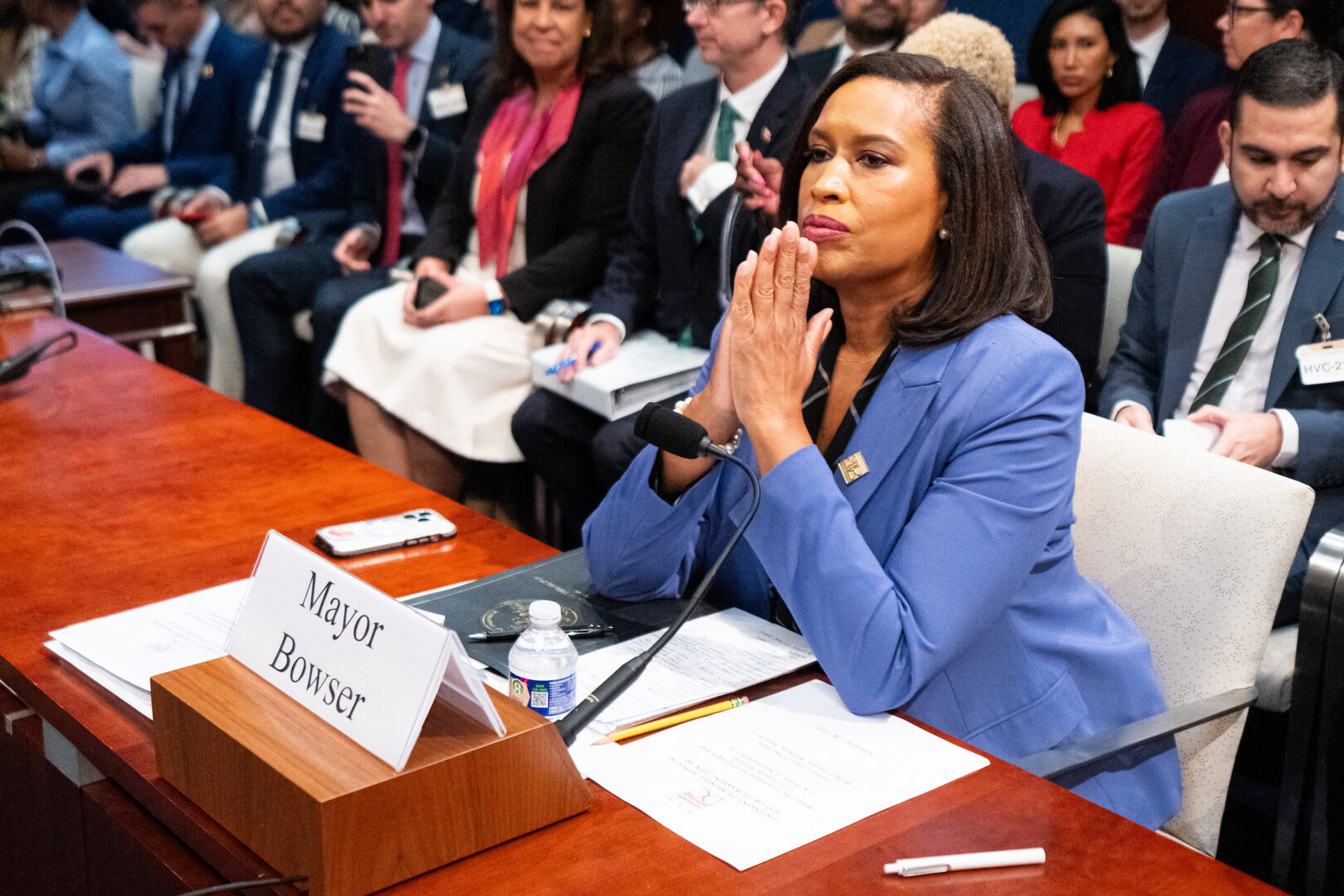
Washington, D.C. has undergone a significant transformation over the past two years, marked by shifts in public safety, political dynamics, and the city’s relationship with the federal government. Mayor Muriel Bowser recently appeared before the House Oversight and Government Reform Committee, reflecting on the changes that have taken place since her last testimony in May 2023. Back then, the city was grappling with a surge in violent crime, including high rates of homicides and carjackings. National Guard troops were not yet deployed to assist in maintaining order, and the city's response to the crisis was under scrutiny.
In her recent appearance, Bowser emphasized that the strategies implemented to reduce crime are yielding positive results. She joined forces with D.C. Council Chair Phil Mendelson and Attorney General Brian Schwalb to present a case for the city’s resilience despite challenges such as a $1.1 billion budget cut imposed by Congress and workforce reductions due to federal job cuts. According to Bowser, the state of the District is strong, citing a 53% decrease in violent crime compared to 2023. She also highlighted the impact of President Donald Trump's intervention, which included declaring a public emergency and federalizing the Metropolitan Police Department.
However, the Republican members of the committee remained skeptical about the reported decline in crime. Some questioned the accuracy of the statistics, suggesting that the numbers might be manipulated. Rep. Jim Jordan, R-Ohio, even directly asked Mendelson if the city was "cooking the books." This skepticism is compounded by ongoing investigations into the data by both the committee and the Department of Justice. Additionally, the head of the D.C. Police Union has cast doubt on the reliability of the statistics.
Despite these concerns, some Republicans, like Rep. Paul Gosar, R-Ariz., expressed confidence in the city’s progress, stating that he felt safer in D.C. and noted a record low crime rate along with increased gang-related arrests and the presence of National Guard troops patrolling the streets.
The broader context of this debate involves the constitutional power that Congress holds over the nation’s capital. While oversight of D.C. is not new, the current period is particularly tense as the city faces scrutiny from congressional Republicans and a president who has criticized the district as a “hellhole.” Recently, the House passed four bills aimed at overruling local D.C. laws, allowing police to engage in more car chases, making it easier to charge minors as adults, lowering the maximum age for youth offenders, and eliminating a local commission that advises on judicial nominations.
This legislative push has raised concerns among local officials and advocates, who view it as an assault on home rule. The lack of public hearings and input from District officials has been a point of frustration, with Mendelson describing the process as lacking analysis and consideration of community impact.
The Future of Representation in D.C.
Amid these developments, attention has turned to Del. Eleanor Holmes Norton, D.C.’s lone voice in Congress. At 88 years old, Norton has been a prominent figure in advocating for the district’s rights. However, recent calls for her retirement have emerged, including an op-ed by Donna Brazile, a former chief of staff and acting chair of the Democratic National Committee, urging Norton to step down.
Norton has dismissed these calls, expressing her intention to seek reelection despite the op-ed. Meanwhile, a growing number of candidates are preparing to challenge her in the upcoming primary. Robert White, a DC Councilmember and former legislative counsel to Norton, announced his candidacy, citing the attacks on D.C.’s autonomy as the reason for his decision to run.
White emphasized the need for a strong advocate for the district, stating that the current situation demands someone capable of fighting for D.C.’s interests. Other potential candidates include Kinney Zalesne, Jacque Patterson, and Deirdre Brown, each bringing their own experience and perspectives to the race.
As the political landscape continues to evolve, the battle for D.C.’s future remains a critical issue, with implications for the city’s autonomy, public safety, and representation in Congress. The outcome of the delegate race could shape the direction of the district’s policies and its relationship with the federal government in the years to come.

Post a Comment for ""Never Felt Safer": Republicans Question DC Officials on Crime"
Post a Comment