Netanyahu Removes Top Likud Official to Enforce Haredi Military Conscription
A Shift in Power Dynamics within the Likud
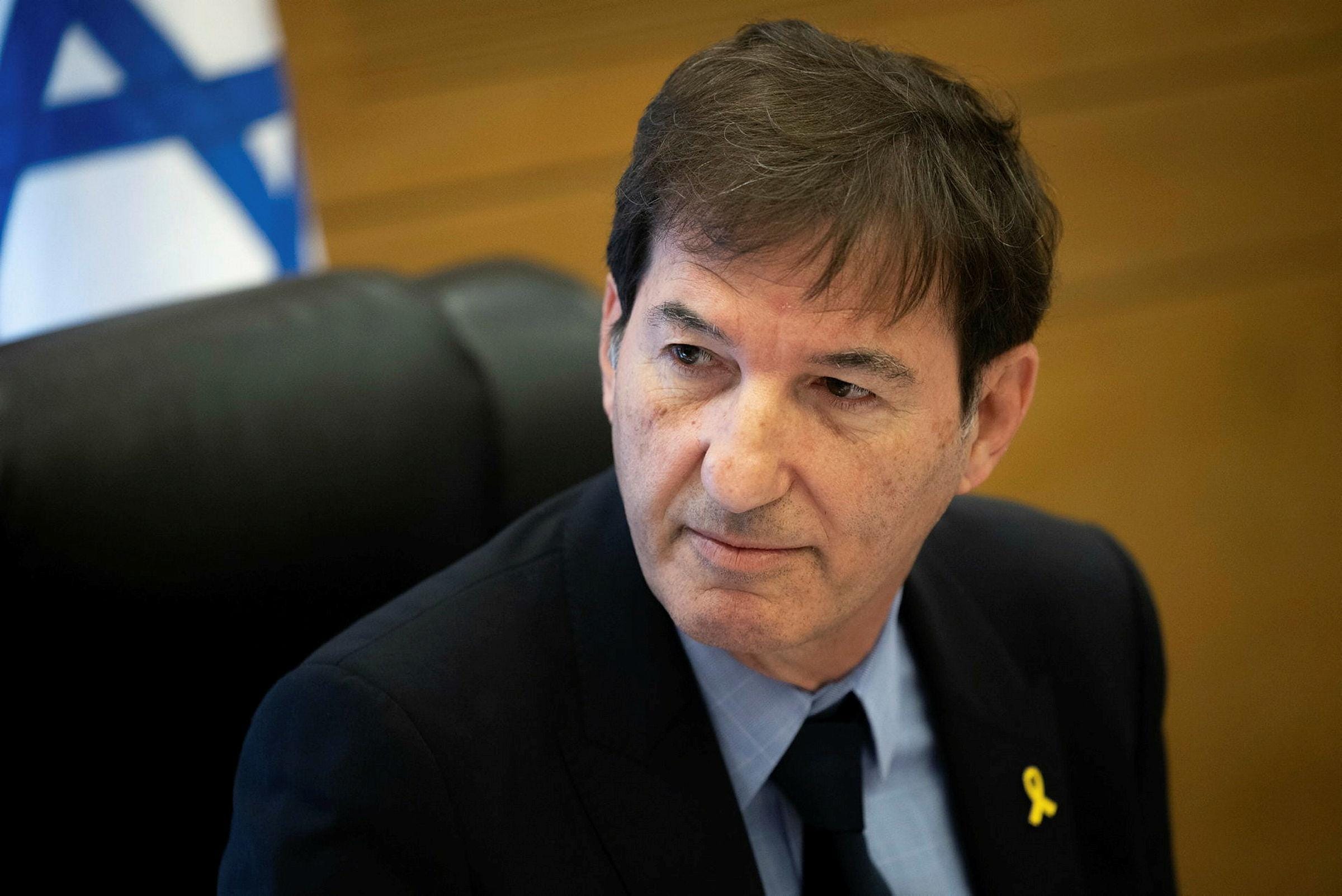
In a surprising turn of events, a significant change has occurred within the Likud faction, marking a pivotal moment in Israeli politics. The ousting of Yuli Edelstein as chairman of the Knesset Foreign Affairs and Defense Committee has been replaced by Boaz Bismuth, a move that has raised eyebrows and sparked controversy. This decision, orchestrated under the direction of Prime Minister Benjamin Netanyahu, signals a deeper shift in the party's priorities and alliances.
The replacement of Edelstein, known for his skepticism towards draft laws, with Bismuth, who is perceived as more aligned with the interests of certain factions, highlights the influence of ultra-Orthodox rabbis and their representatives within the Knesset. This marks the first time that a committee chairperson, responsible for national security and foreign affairs, has been appointed through the influence of these religious leaders. It also represents a departure from traditional party procedures, as the decision was made through an open ballot despite existing regulations.
This event has not only drawn attention but has also led to speculation about the motives behind the change. Some believe that Netanyahu may have used this opportunity to consolidate power and advance his agenda, particularly regarding the drafting of Haredi individuals into military service. The involvement of ultra-Orthodox leaders in this process raises questions about the integrity of the decision-making process and the potential for conflict of interest.
The Role of the Committee Chairman
The role of the committee chairman is crucial, as they are responsible for overseeing various aspects of national security, including the cabinet, defense establishment, army, Mossad, and Shin Bet. This position requires a high degree of independence and the ability to challenge the prime minister when necessary. However, the appointment of Bismuth, who is seen as lacking in intellectual independence, raises concerns about the effectiveness of the committee in fulfilling its responsibilities.
Bismuth, known for his sharp-tongued advocacy for Netanyahu, brings a different dynamic to the committee. His background as a spokesperson for the prime minister suggests a close alignment with the current administration, which could impact the committee's ability to act independently. This situation has led to calls for greater scrutiny of the committee's operations and the decisions made by its leadership.
The Impact on National Security and Military Readiness
The implications of this change extend beyond the political realm and touch on critical issues of national security and military readiness. The push for mass evasion of army service during times of war has sparked debates about the commitment of certain groups to the nation's defense. Critics argue that such actions undermine the collective effort required to protect the country and could lead to long-term consequences for Israel's security.
Moreover, the involvement of ultra-Orthodox leaders in shaping policy decisions raises concerns about the balance of power within the government. Their influence over key positions in the Knesset and the military could lead to a prioritization of religious interests over national security, further complicating the already delicate political landscape.
The Broader Political Landscape
The recent developments within the Likud highlight the complex interplay between political power, religious influence, and national interests. As Netanyahu continues to navigate the challenges of maintaining his regime, the decisions made within the party will have far-reaching effects on the country's future. The ousting of Edelstein and the appointment of Bismuth reflect a broader trend of aligning with powerful factions, often at the expense of the broader public interest.
In conclusion, the recent changes within the Likud faction underscore the importance of transparency and accountability in governance. As the political landscape continues to evolve, it is essential for the public to remain vigilant and engaged, ensuring that the interests of the nation take precedence over personal or factional agendas. The path forward will require a commitment to democratic principles and a focus on the well-being of all citizens.

Post a Comment for "Netanyahu Removes Top Likud Official to Enforce Haredi Military Conscription"
Post a Comment