Millennial Pink, Gen Z Yellow, Brat Green – What's Your Color?
Understanding the Role of Color in Generational Identity
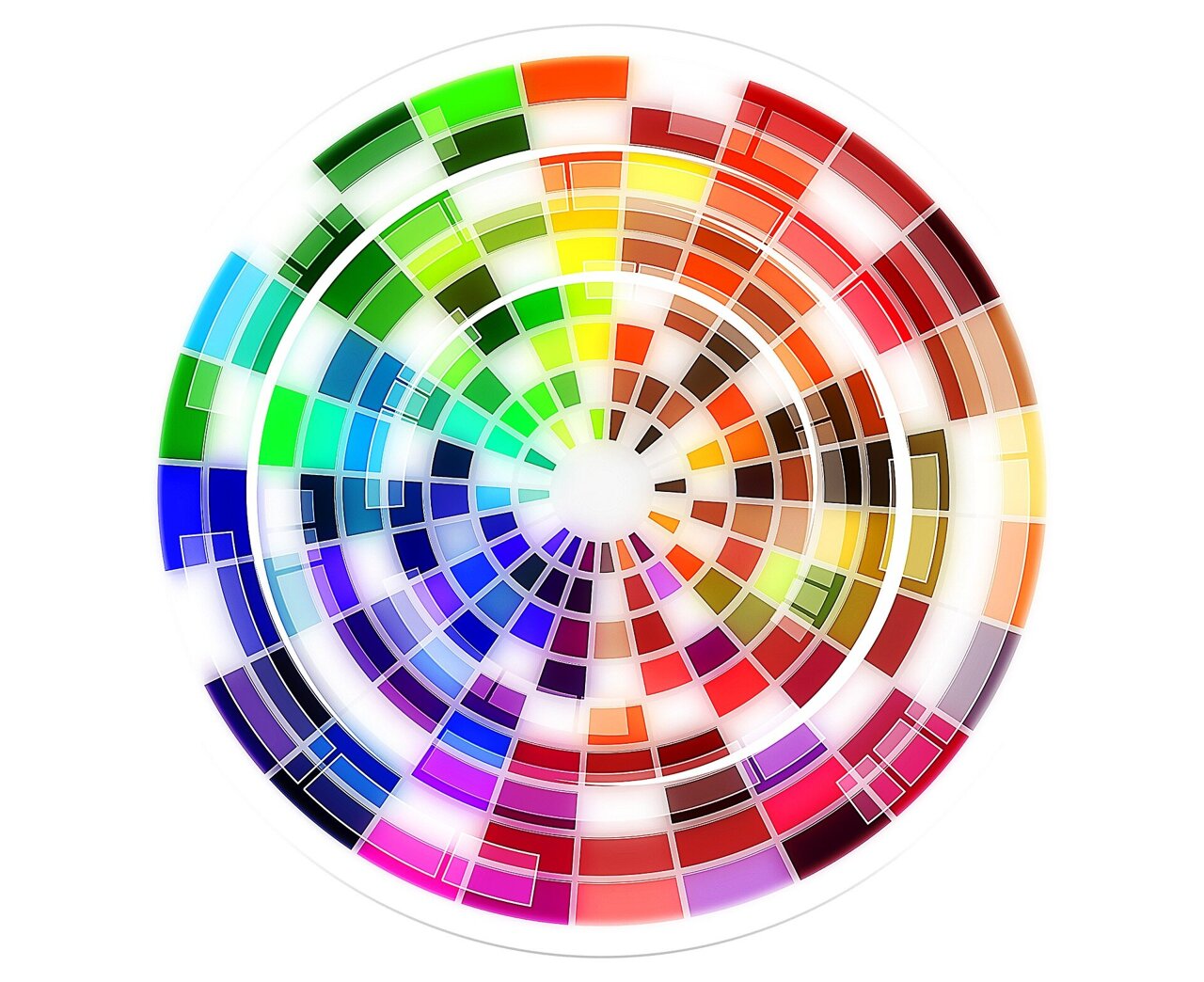
Color is more than just a visual element; it serves as a powerful indicator of cultural, social, and historical shifts. While each generation may adopt certain color preferences, these choices are not purely biological or universal. Instead, they reflect a complex interplay of societal influences, media trends, and collective values. As noted by scholars and historians, colors are shaped by society and carry meanings that evolve over time.
The way we perceive and interpret color is deeply rooted in our cultural context. It is influenced by customs, ideologies, and the media we consume. This makes color a dynamic tool for expressing identity, values, and aspirations. By examining the colors associated with different generations, we can gain insight into the broader narratives that define each era.
Generational Color Codes
Each generation has its own distinct color code, reflecting the values and aesthetics of the time. For example, the baby boomers and Generation X were drawn to traditional palettes, such as neutral and pastel tones. These colors were often inspired by nature, with earthy hues like greens, browns, and rust reds becoming popular during the 1970s.
Generation Y, commonly known as millennials, saw the rise of an iconic color: millennial pink. This soft pastel became a symbol of optimism and a challenge to traditional gender norms. It represented a shift towards inclusivity and a more relaxed approach to identity.
For Generation Z, bold yellow emerged as a standout shade, often referred to as "Gen Z yellow." This color was chosen to contrast with the previous generation's preference for pink. Later, purple gained prominence, symbolizing power, creativity, and feminist movements. Today, it represents inclusivity and self-expression.
Green has also gained significance, particularly in recent years. It has become a symbol of environmental awareness and political activism. In 2024, green took on a new meaning through the "brat green" popularized by British singer Charli XCX. This vibrant hue reflects a balance between rebellion and mainstream appeal.
The Influence of Digital Culture
Generation Alpha, still in its early stages, shows a dual attraction to both natural, comforting tones and the saturated, artificial colors of the digital world. This reflects their unique position at the intersection of the physical and virtual realms.
While generational color trends offer valuable insights, it’s important to recognize that colors are not static. They evolve, circulate, and take on new meanings over time. This fluidity allows for reinterpretation and ensures that color remains a relevant and dynamic tool in communication.
The Power of Color Naming
In marketing, the name of a color plays a crucial role in shaping consumer perception. Research shows that evocative or poetic names can significantly influence preference and purchasing decisions. A well-chosen name can create emotional connections and enhance brand recognition. However, finding the right balance is essential—too much whimsy can dilute brand identity.
For companies, understanding generational color codes is key to creating a visual language that resonates with their target audience. This involves not only selecting the right colors but also ensuring that the overall color system remains coherent and sustainable.
Conclusion
Colors serve as more than just aesthetic choices—they are carriers of meaning, witnesses to history, and tools for connection. By analyzing the color preferences of different generations, we can better understand the cultural and social dynamics that shape our world. Whether through the bold yellows of Generation Z or the calming tones of Mocha Mousse, color continues to play a vital role in how we express ourselves and connect with others.

Post a Comment for "Millennial Pink, Gen Z Yellow, Brat Green – What's Your Color?"
Post a Comment