Michigan Latest Target in Justice Department Voter Roll Probe
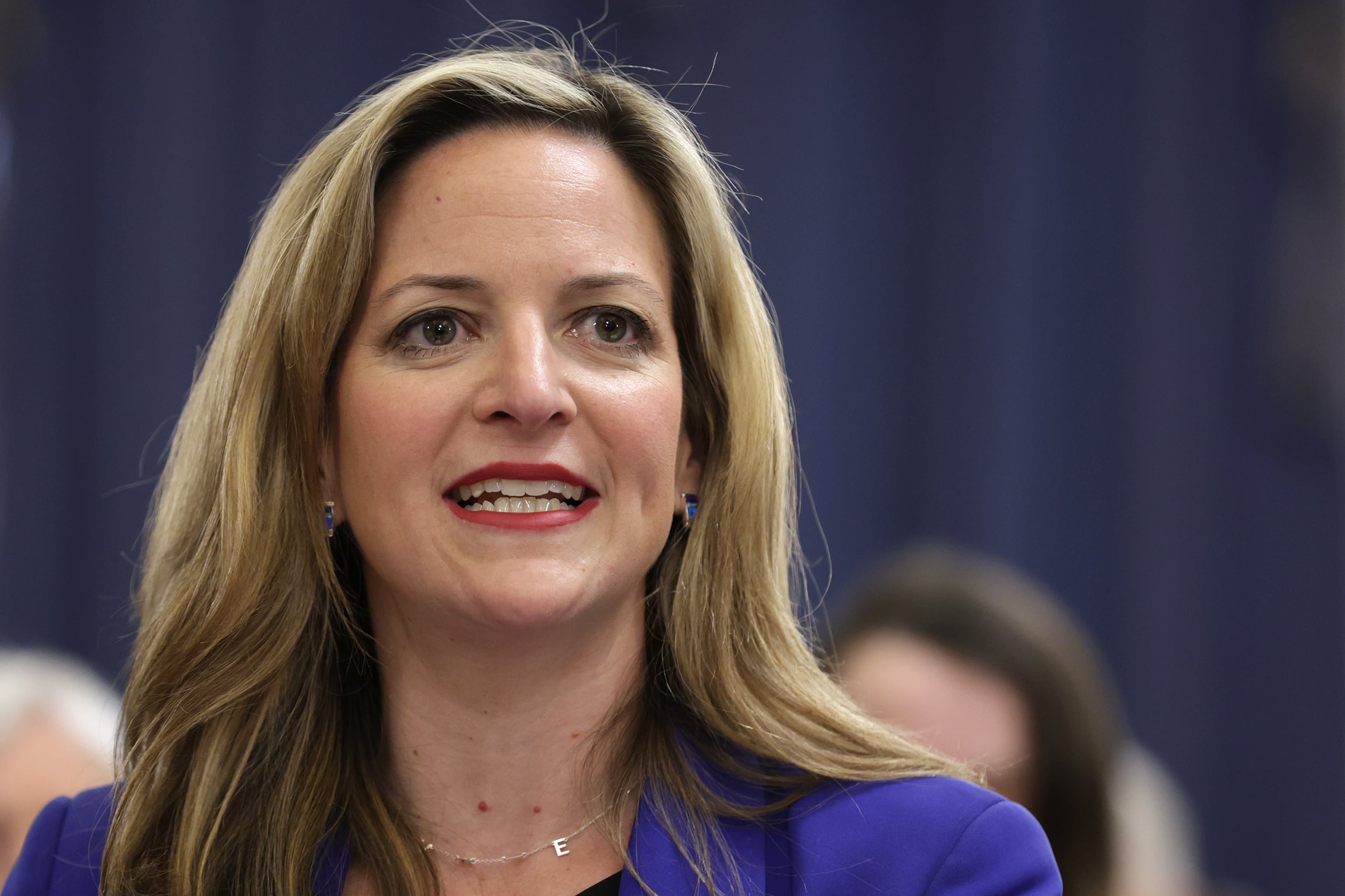
The U.S. Justice Department Investigates Michigan’s Voter Roll Management
The U.S. Justice Department has recently reached out to Michigan, requesting access to the state’s voter rolls and detailed information on how they are maintained. This comes as part of a broader effort to assess the state's compliance with federal election laws, particularly those related to voter registration and identification processes.
In a letter dated July 21, sent to Secretary of State Jocelyn Benson, the Justice Department expressed concerns over Michigan's high levels of voter registration. The letter also mentioned that the department has received a complaint regarding the state’s adherence to a provision in federal law requiring all voters to have unique identifiers. This is one of several letters the Justice Department has sent to various states, following directives from President Donald Trump’s March executive order on elections.
The letter includes a set of questions based on Michigan’s responses to the U.S. Election Assistance Commission’s Election Administration and Voting Survey (EAVS). This survey, released on June 30, provides a comprehensive overview of election administration practices across the country.
Angela Benander, a spokesperson for Michigan’s Department of State, stated that the department is currently reviewing the letter. In a message to DISCOVER TREND, she emphasized that state officials do not believe they are in violation of the Help America Vote Act, which the Justice Department cited in its complaint. Benander pointed to past lawsuits where two judges ruled in favor of the state regarding its voter list maintenance practices.
Ongoing Concerns About Voter Registration Rates
Republicans at all levels of government have long raised concerns about the high voter registration rate in Michigan. Over the years, the state has made registration more accessible by allowing same-day registration and automatically registering eligible individuals who obtain a driver’s license.
Before the 2024 election, a misleading claim circulated suggesting that Michigan had more registered voters than residents aged 18 and older. This claim failed to consider inactive voters who may have died, moved, or become ineligible, but whose names cannot be legally removed from the rolls until a certain period has passed.
Expert Perspectives on the Issue
Charles Stewart, a political science professor and director of MIT’s Election Lab, noted that some of the questions in the Justice Department’s letter do not necessarily imply wrongdoing on the part of Michigan. For example, duplicate registrations could be attributed to the way data is handled or other neutral explanations.
Stewart highlighted that while it is possible Michigan needs to improve its list maintenance practices, the Justice Department’s approach treats EAVS data as definitive without fully understanding the data generation process. He explained that there are multiple ways to generate these numbers, and there is no standardized method that all election departments are required to follow.
Conclusion
As the Justice Department continues to scrutinize Michigan’s voter roll management, the state remains committed to defending its practices. The ongoing dialogue between federal authorities and state officials underscores the complexity of maintaining accurate and compliant voter rolls. While concerns remain, experts emphasize the need for a nuanced understanding of the data and the processes involved in managing election systems.

Post a Comment for "Michigan Latest Target in Justice Department Voter Roll Probe"
Post a Comment