Meta's Marketing Head: Startups Should Avoid Single-Team Focus, CEO Must Lead
The Importance of Founder-Led Growth in Early-Stage Startups
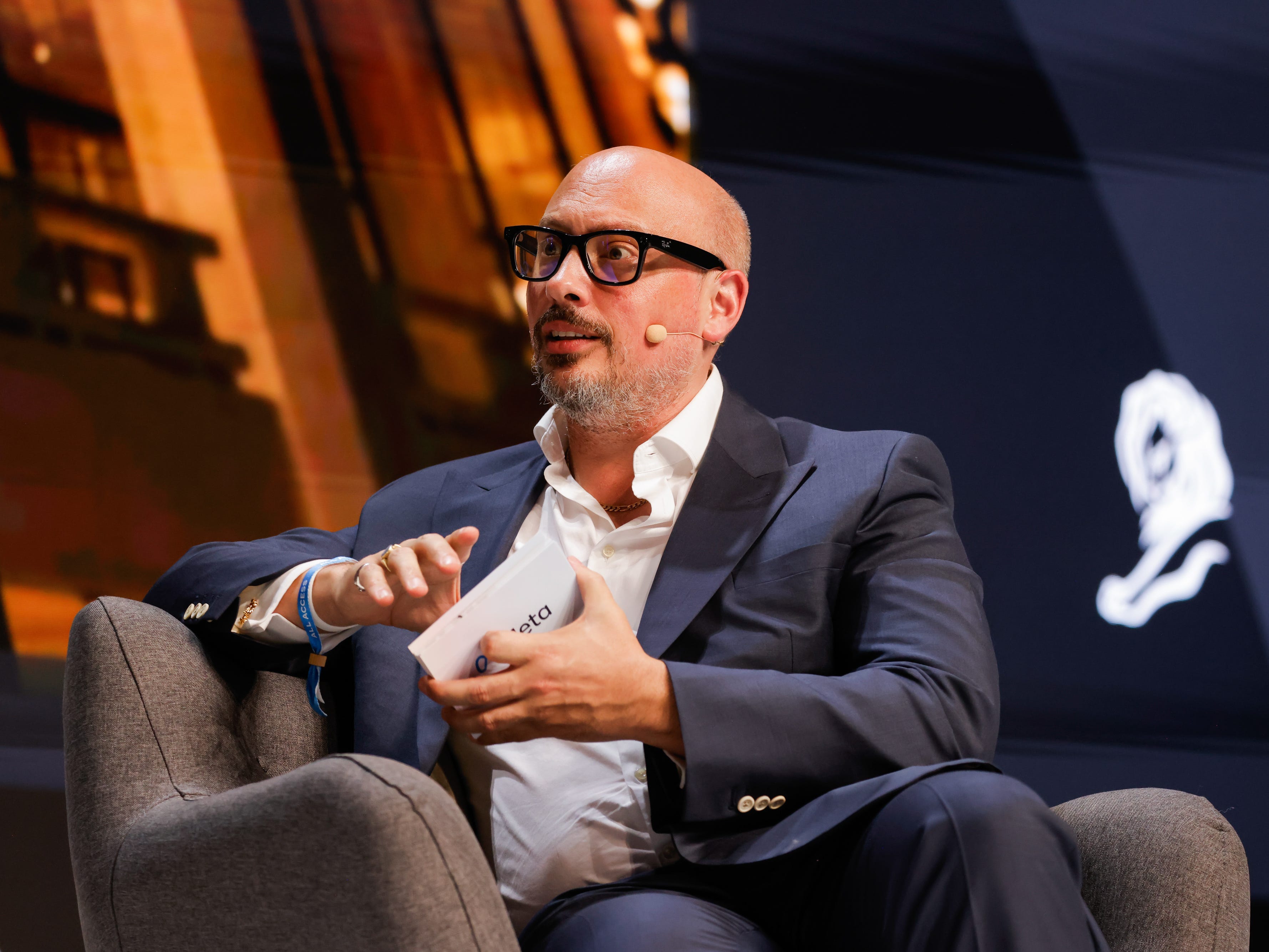
In the fast-paced world of startups, there is a growing consensus that early-stage companies should avoid hiring growth teams too soon. This perspective comes from Alex Schultz, Meta’s chief marketing officer, who emphasizes that founders should take on the responsibility of driving growth themselves.
Schultz argues that the role of growth should be the top priority for founders, especially when their company is still small. He suggests that the decision to form a dedicated growth team should come much later than most startups anticipate. According to him, many companies make the mistake of delegating growth too early, which can lead to inefficiencies and missed opportunities.
During an episode of the "Twenty Minute VC" podcast, Schultz shared his insights on this topic. He pointed out that founders often rush to delegate growth responsibilities when it should remain their primary focus. In companies with only a few hundred employees, he believes the entire team should be focused on growth rather than creating a specialized unit.
"If you're in a very small company and you've got like 200, 300 people, I would argue you shouldn't have a growth team," Schultz said. "The entire company should be working on growth, and at that point, no, you shouldn't delegate it away."
He further emphasized that growing the business is the CEO's "single most important job." Only when a founder's time is stretched across strategy, new product lines, partnerships, or sales does it make sense to hand growth over to a dedicated team. However, this transition should occur much later than many startups expect.
"So many companies try and hire a growth team at like 50 employees, and it's just silly," he added.
How Meta Manages Its Growth Teams
Schultz also provided insight into how Meta manages its growth teams. He mentioned that Meta keeps its growth teams lean. The tech giant operates a central growth team of a few hundred employees responsible for managing core infrastructure such as SEO, ad tech optimization, and email systems.
Each product, including Instagram, Facebook, and WhatsApp, has its own smaller growth team focused on product-specific initiatives, typically fewer than 100 people. According to Schultz, "Across our nearly 100,000 employees, we have less than 1% of the employees in the growth team."
"You can get a lot done with small, talent-dense teams. Growth is one of those fields where that's always been true."
The Broader Debate on Founder Mode
Schultz's comments align with a broader debate in Silicon Valley about whether startup leaders should stay hands-on. The concept of "founder mode" was popularized by Paul Graham, a founding partner at Y Combinator. He introduced the term after being inspired by Airbnb CEO Brian Chesky, who emphasized the importance of founders being deeply involved in the details of their companies.
Chesky described founder mode as being "in the details," highlighting that great leadership involves presence rather than absence. He noted that this approach allows founders to maintain a close connection with their products and teams.
George Arison, CEO of Grindr, also supports the idea of founder mode. He told Business Insider that he still uses the app himself to understand the product better. "The whole 'founder mode' popularity — when I first saw it, I thought, I don't know how else to function," he said. "It's great that someone gave it a title, but that has been my management style forever."
Key Takeaways for Startups
For early-stage startups, the key takeaway is that growth should not be delegated too soon. Founders should prioritize understanding and driving growth themselves until their company reaches a stage where a dedicated team can support these efforts. This approach ensures that the entire team remains aligned with the company's goals and fosters a culture of innovation and agility.
By focusing on growth as a core responsibility, founders can build a strong foundation for their companies. As they scale, they can gradually introduce specialized teams to handle specific aspects of growth, ensuring that the company continues to evolve effectively.

Post a Comment for "Meta's Marketing Head: Startups Should Avoid Single-Team Focus, CEO Must Lead"
Post a Comment