Man From Las Vegas Claims CTE After NYC Shooting: What Is It?
The Tragic Case of Shane Tamura and the Link to CTE
In a shocking incident that took place in Midtown Manhattan, a Las Vegas man named Shane Tamura was responsible for the tragic deaths of four individuals and left another critically injured. According to reports, Tamura had a clear motive tied to his belief that he suffered from Chronic Traumatic Encephalopathy (CTE), a degenerative brain disease associated with repeated head trauma.
CTE has been predominantly found in athletes involved in contact sports such as football, hockey, and boxing, as well as military personnel. It is known to cause changes in behavior, memory loss, and emotional instability. Tamura, who was found dead from a self-inflicted gunshot wound, may have taken this drastic step to ensure his brain could be studied posthumously for research on CTE.
Understanding CTE: A Neurological Perspective
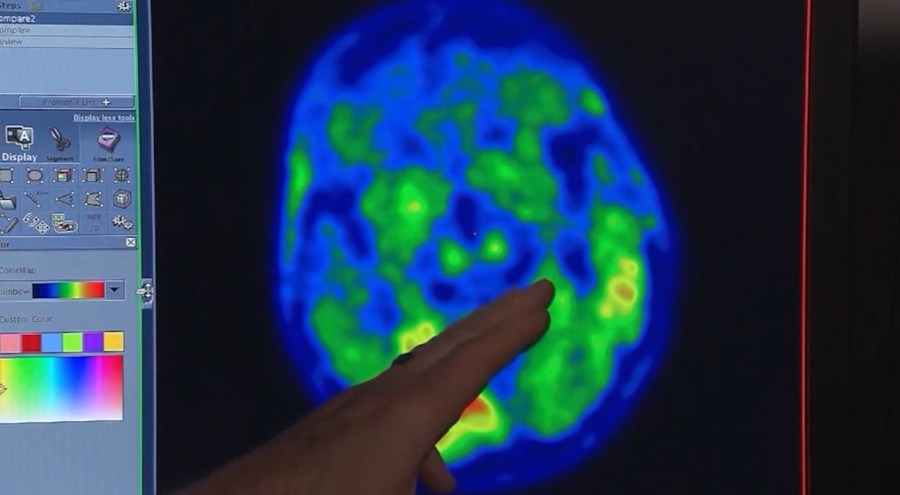
Experts have highlighted that CTE can only be diagnosed through an autopsy, making it a post-mortem condition. Dr. Brook Conway-Kleven, a neuroepidemiologist at the University of Nevada, Las Vegas, explained that repeated head injuries lead to the accumulation of plaque in the brain, which can alter a person's behavior over time.
Dr. Conway-Kleven noted that common characteristics among those diagnosed with CTE include impulsivity, anger issues, and memory problems. These symptoms are often linked to damage in the frontal and temporal lobes of the brain, which are responsible for regulating behavior and memory, respectively.
Dr. Aury Nagy, a neurosurgeon in Las Vegas, emphasized the importance of proper recovery from concussions. He stated that not allowing the brain enough time to heal after a head injury can exacerbate future damage. This advice is particularly relevant for youth sports leagues, where early prevention strategies can significantly reduce the risk of developing CTE later in life.
Advances in CTE Research
Recent years have seen significant progress in CTE research, with scientists working towards methods to diagnose the condition in living individuals. While most cases of CTE have been identified in professional athletes, health professionals caution that participation in sports does not guarantee the development of the disease. Each individual’s risk depends on various factors, including the frequency and severity of head injuries sustained over time.
Tamura’s case has sparked discussions about the broader implications of CTE and the need for increased awareness and preventive measures in sports. His tragic story underscores the importance of understanding the long-term effects of head trauma and the necessity for ongoing research into this debilitating condition.
The Broader Implications
The incident involving Tamura highlights the complex relationship between mental health, physical trauma, and the potential consequences of undiagnosed or untreated neurological conditions. As more is learned about CTE, it becomes increasingly important for athletes, coaches, and medical professionals to prioritize brain health and safety.
In addition, the case raises questions about the support systems available for individuals suffering from mental health issues. Ensuring that those at risk receive appropriate care and resources is crucial in preventing similar tragedies in the future.
As research continues to advance, there is hope that new diagnostic tools and treatments will emerge, offering better outcomes for those affected by CTE. The story of Shane Tamura serves as a poignant reminder of the importance of vigilance, education, and proactive measures in addressing the challenges posed by this devastating disease.

Post a Comment for "Man From Las Vegas Claims CTE After NYC Shooting: What Is It?"
Post a Comment