Jeff Bland's morning ritual: tartary buckwheat, fasting, and 6 a.m. starts
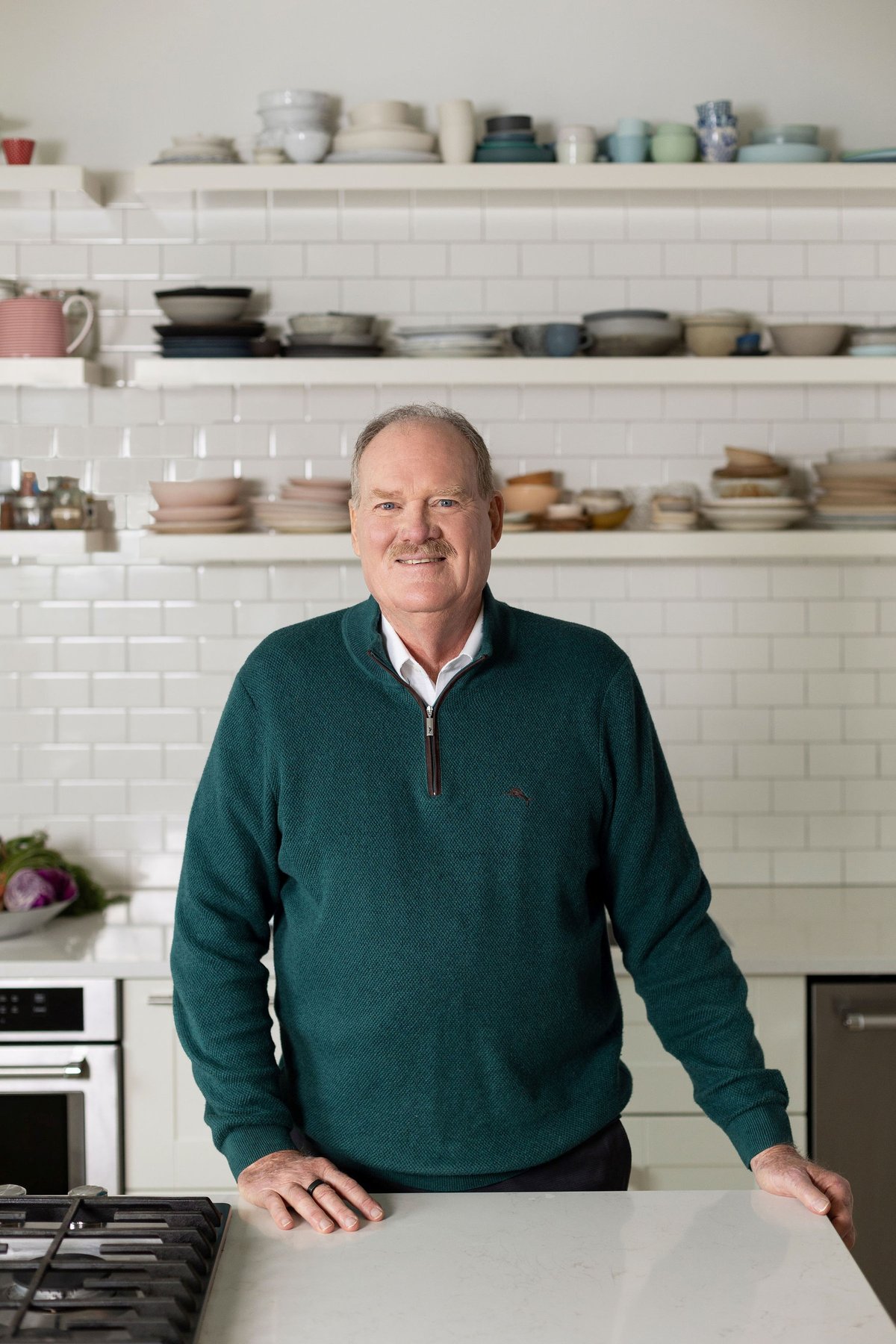
A Daily Routine for Longevity and Well-Being
Every day, I strive to find balance and harmony in my life. Over the years, I've discovered that what works for me changes as I grow older. These days, I start my day early, usually around 6 a.m. This allows me to connect with people on the East Coast, where it's already 9 a.m., giving me a head start on the day.
I live with my personal fitness trainer — our dog, Bucky. He needs his morning walk, so we go out together for a fast-paced walk or run, covering two to three miles. This routine helps us both stay active and energized.
By 8 a.m., I'm back at my desk and follow a time-restricted eating pattern. I don't have a traditional breakfast; my first meal is usually around 11 or 12 p.m., and my last meal is by 7 p.m. This creates a 16:8 fasting cycle, which means 16 hours of fasting and eight hours of eating. While this might not be ideal for younger individuals or those building muscle, it helps reduce the metabolic load on my body as I age.
The key to this approach is focusing on nutrient-dense foods. I avoid processed items, high-fat, and high-sugar foods, and I steer clear of sweetened beverages. Water is my go-to drink, and I always keep a large container at my desk. I aim for six to eight glasses a day.
In the U.S., we're fortunate to have access to tartary buckwheat, a crop that has been cultivated for over 3,500 years. It's naturally rich in polyphenols, which are beneficial for the immune system. Although I'm not a chef, I enjoy cooking on weekends, making flatbreads and crisps using tartary buckwheat flour. I believe that eating for our immune systems is crucial. It's not just about vitamins or minerals; immune-active foods help repair and regenerate the body. The color of food is an excellent guide — natural colors like orange, red, blue, and purple come from flavonoids, which are powerful nutrients.
Dinner is a time for celebration, community, and relaxation. I try to eat slowly and joyfully, never in a hurry. This improves digestion and nutrient absorption while making the experience more enjoyable. I finish eating by 7 or 8 p.m., allowing my body time to digest before rest.
It's essential to have a wind-down period before bed. I avoid technical reading in the evening, such as science journals. Instead, I read fiction, especially nature writing. One of my favorite authors is Wade Davis, a National Geographic fellow who writes about wild places and far-flung cultures. His work transports me to different worlds before I fall asleep.
I aim for seven to eight hours of good-quality sleep each night. It's not just about the time spent in bed, but the quality of that sleep. As we age, our circadian rhythms shift, and sleep becomes something we need to actively cultivate. There's even a system in the brain called the glymphatics that cleans up accumulated waste during REM sleep. To support this process, I try to give my mind time to slow down before bed, whether through reading or listening to quiet music.
I use a couple of wearable devices, such as a Whoop and an Apple Watch, to track my sleep, heart rate variability, body temperature, and steps. These tools act like a personal coach, helping me stay on track with my health goals.
While I don't meditate in the traditional sense, I've trained myself to enter short meditative states throughout the day, especially during flights. Having traveled over six million miles, I can slip into meditation before takeoff and come out of it after we're airborne.
I also take supplements to support my health. These include a high-potency multivitamin, omega-3 cod liver oil, and a polyphenol blend from tartary buckwheat.
Life is a privilege, a joyful opportunity. Each day presents an opportunity to do something that expresses our full joy of being present on this planet.

Post a Comment for "Jeff Bland's morning ritual: tartary buckwheat, fasting, and 6 a.m. starts"
Post a Comment