IFA 2025: Acer's African Experiment Goes Global
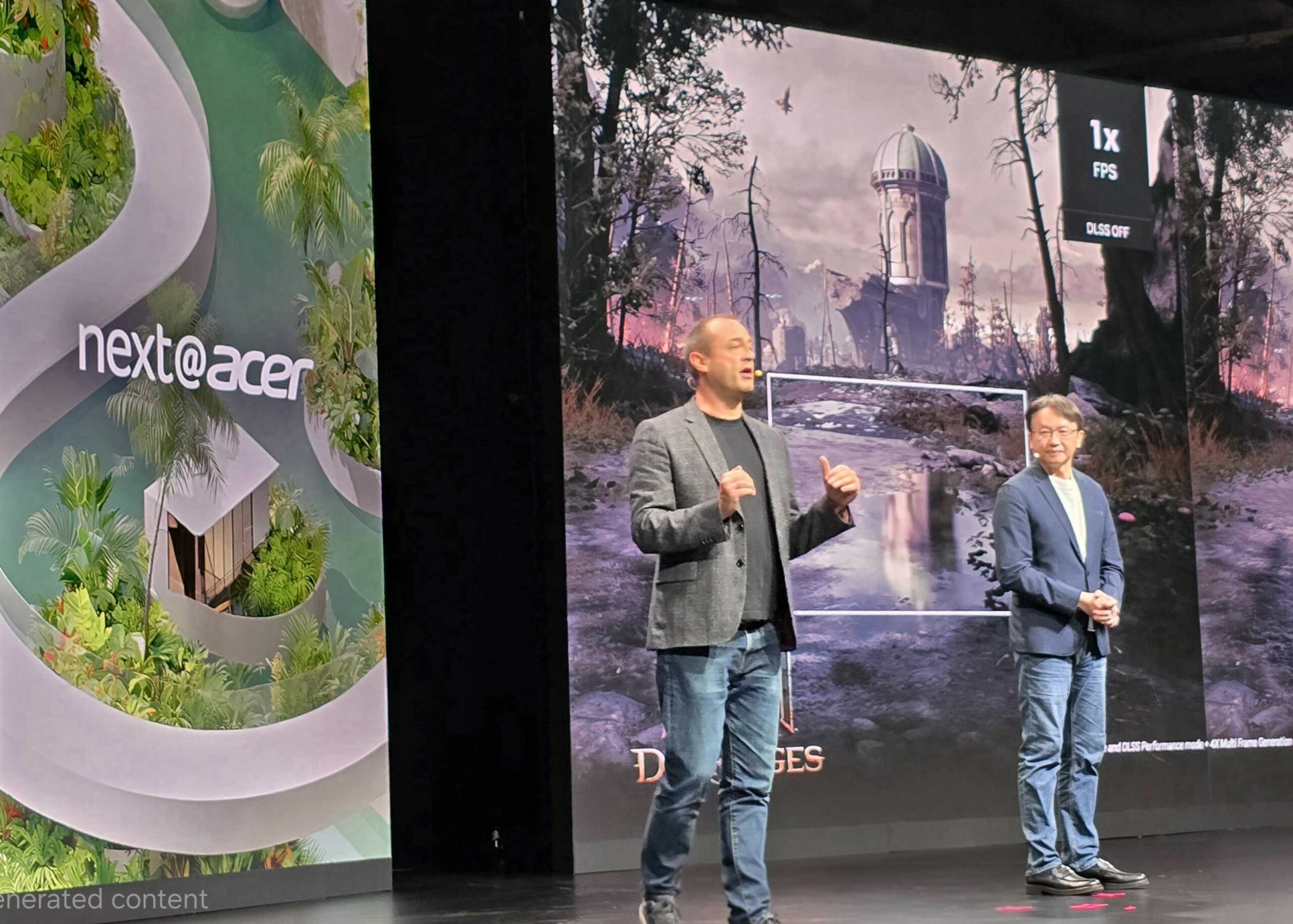
Acer's Strategic Shift at IFA 2025
Acer, one of the world’s leading computer manufacturers, made a significant impact at the IFA 2025 technology expo in Berlin. The company’s approach went beyond showcasing new devices; it focused on AI-driven laptops, gaming hardware, and sustainable designs. These launches were particularly notable due to their timing, as they followed the introduction of the first Google TV media box built in South Africa just a week earlier. This move highlighted Acer’s growing interest in local production and its commitment to tailoring products for specific markets.
South Africa is typically a late adopter of new technology, making Acer’s decision to debut a product there before other regions unusual. Emmanuel Fromont, Acer’s president for Europe, Middle East, and Africa, explained that this strategy was driven by a local insight. He emphasized that a one-size-fits-all approach does not work everywhere, especially in Africa. According to Fromont, the South African team identified the potential of Google TV and worked closely with headquarters to bring the product to market first.
This localized approach reflects Acer’s broader strategy of trusting local expertise. Fromont noted that the South African country manager was the first to recognize the opportunity, and now the company is planning to launch the same product in other countries. This shift towards localization is central to how Acer is repositioning itself globally.
Local Production and Market Adaptation
In addition to the Google TV box, Acer has been exploring local assembly operations in various regions. In Johannesburg, monitors are already assembled locally, while similar small-scale operations exist in Kazakhstan and Azerbaijan. Fromont acknowledged that tariffs were a key factor in these decisions, but he also pointed out that the capacity could be leveraged for other consumer technologies.
The IFA 2025 theme, “Imagine the Future,” provided a backdrop for Acer’s announcements. During the opening press conference, Dr. Sara Warneke, CEO of IFA co-organizers gfu Consumer & Home Electronics, shared insights on the recovering technology market. She noted that total sales reached $403 billion in the first half of 2025, a 4.6% increase year-on-year. IT and office technology saw the strongest growth, up 9.2%, while telecoms grew by 4.1%. Emerging markets, including Latin America, the Middle East, and Africa, drove much of this growth.
For Acer, these insights are crucial. Fromont emphasized that Africa requires a sharper focus on affordability and connectivity. The company has launched more affordable products, with a higher percentage of shipments going to Africa compared to Western Europe. Connectivity is also a key differentiator, with more products featuring LTE due to limited Wi-Fi availability.
Gaming and Revenue Growth
The gaming sector exemplifies how these strategies translate into revenue. Fromont stated that gaming accounts for around 15 to 20% of Acer’s shipments, but it contributes 25 to 30% to revenue. Gaming monitors make up nearly half of all monitor shipments, and gaming PCs have a higher average selling price than standard PCs. This has led Acer to invest heavily in its Predator and Nitro brands.
At IFA, Acer CEO Jason Chen introduced devices that merge AI with gaming performance. The Predator Helios 18P AI, for example, pairs Intel’s Core Ultra 9 processors with NVIDIA’s top GPUs, making it suitable for both gamers and AI developers. Nitro desktops feature overclockable AMD processors and the latest NVIDIA graphics cards, cooled by Acer’s CycloneX 360 system. Sustainability is also a focus, with the Nitro 70 using 65% post-consumer recycled plastic in its casing.
Global Ambitions and Local Realities
Acer’s global ambitions are evident in its collaborations with tech giants like Google, Microsoft, Intel, and Nvidia. These partnerships highlight the company’s commitment to innovation and integration of AI across all product categories. Google’s John Solomon emphasized that AI is no longer a futuristic concept but a transformative force integrated into daily life.
Back in Africa, Acer understands the importance of aligning technology with purchasing power. Fromont noted that while Africa has significant growth potential, success requires developing entry-level products that are competitive. This reality influences the balance between sustainability and price. While the Vero line, designed with recycled plastics and modularity, has not taken off in emerging markets, Acer is integrating sustainability into mainstream products without charging extra.
The significance of the Johannesburg Google TV box lies in its local assembly, which reduces costs and tariffs while building supply chain resilience. Fromont highlighted that Acer is moving from a sales and marketing model to one where it has more input in product design through deep partnerships.
Future Prospects
Acer’s experiments in South Africa are small but indicative of a future where emerging markets serve as testbeds for innovation and supply chain adaptation. The company is expanding its presence in Kenya and Tanzania, hosting reseller events, and laying the groundwork for a more permanent footprint. Fromont remains cautious but optimistic about the next three to five years, believing that having local teams in major countries will enhance credibility and enable better engagement.
For IFA as a whole, Dr. Warneke emphasized that the global-local dynamic is now part of the tech industry’s DNA. Innovation, restrained pricing, and clear communication are key to meeting consumer expectations. As Acer continues to adapt and innovate, its focus on local markets and global collaboration positions it well for the future.

Post a Comment for "IFA 2025: Acer's African Experiment Goes Global"
Post a Comment