Idaho Murders Saga Ends with a Haunting TV Day: 'Such Disdain' | Opinion
The Closing Chapter of a Tragic Saga
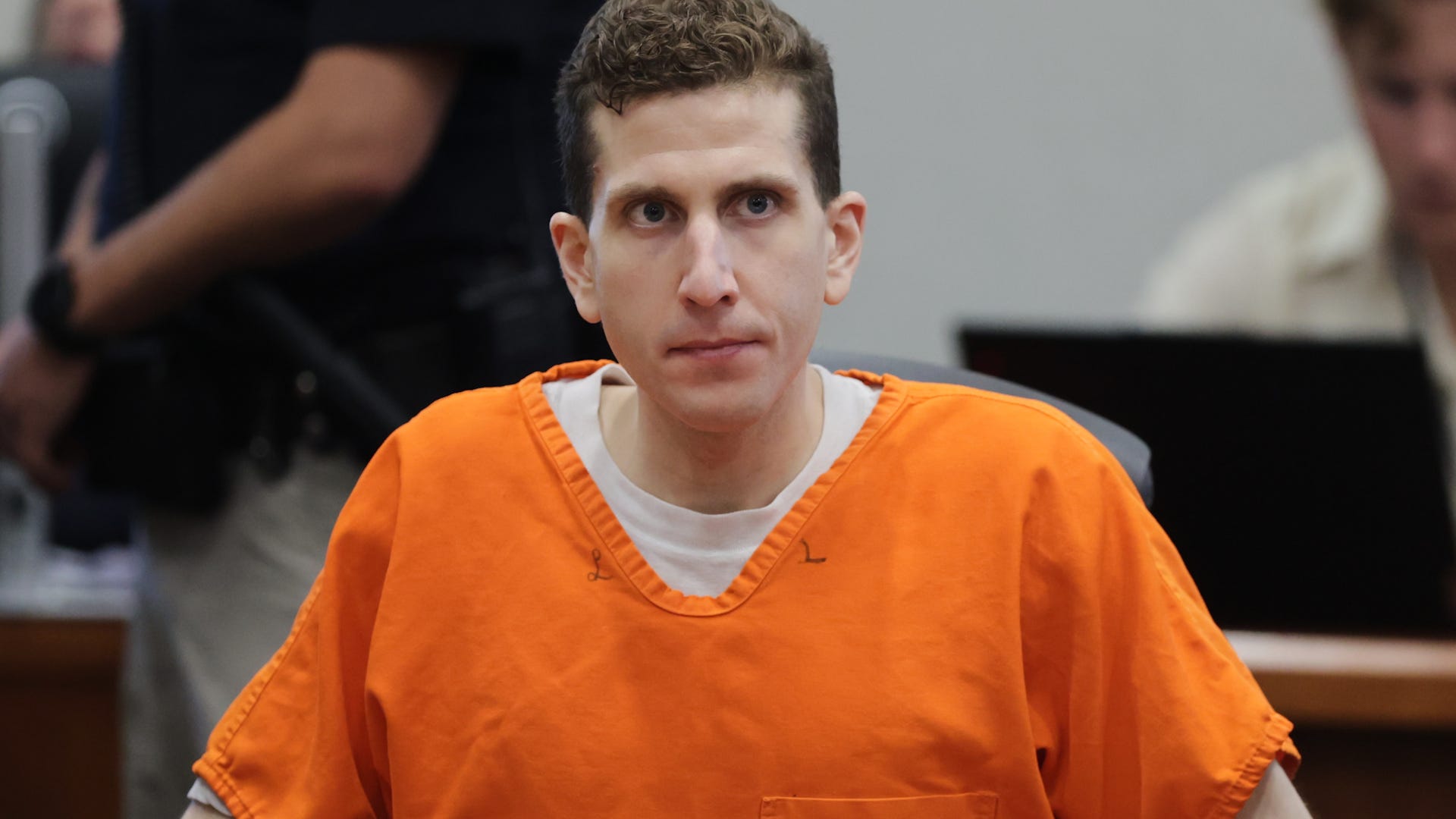
The tragic story of the murders of four Idaho college students reached a somber conclusion on live television when Bryan Kohberger was sentenced to life in prison without the possibility of parole. The courtroom proceedings were emotionally draining, with victims' friends and family delivering powerful statements that left no doubt about their anger and grief. During her testimony, Olivia Goncalves, sister of one of the victims, confronted Kohberger directly, demanding he sit up straight and asking if he had known the victims before their deaths.
Despite the sentencing, a lingering question remains: Why? This question has become central to the case, transforming it into a national phenomenon. It has inspired numerous true-crime documentaries and sparked discussions across media platforms. Even former President Donald Trump weighed in, urging the judge to require an explanation from Kohberger. On social media, Trump stated, “There are no explanations, there is no NOTHING.” At a White House briefing, press secretary Karoline Leavitt mentioned that the president would have liked Kohberger to publicly explain his actions.
The Fascination with Tragedy
Why do we watch such heart-wrenching events unfold on live TV? Wednesday’s court session was an agonizing experience, filled with heartbreaking stories. The nature of the crime—breaking into a home and committing brutal murders—certainly contributes to the public's curiosity. The number of victims also plays a role in capturing attention. Steve Goncalves, Kaylee’s father, told Kohberger during the hearing, “Nobody cares about you. … In time, you will be nothing but two initials, forgotten to the wind.”
However, Kohberger himself added to the uniqueness of the case. He was a doctoral student in criminal justice, a detail that made the situation even more unsettling. The delay in his arrest for over a month and a half fueled speculation and rumors online. Additionally, the case highlights a broader issue regarding media coverage, as the murders of white victims often receive more attention than those of people of color.
Kohberger has not provided any explanation or apology for his actions. He chose not to speak in court, exercising his right to remain silent. As Judge Steven Hippler noted, “What we don’t know is why.” Hippler also expressed doubts about whether Kohberger could provide a truthful account if he did speak.
Media Coverage and Public Reaction
Cable news networks covered the sentencing extensively. Fox News, for instance, followed the proceedings closely, with anchor John Roberts referring to the case as a “horrid saga.” CNN and MSNBC also provided regular updates throughout the day. Despite the emotional toll, many found it difficult to look away. The impact of the event was profound, even among legal professionals.
Veronica Miracle, a CNN correspondent, remarked on the judge’s strong disdain for Kohberger, noting that it was remarkable. Hippler’s voice broke as he addressed the defendant, describing the unimaginable loss faced by the families. “Parents who took their children to college in a truck full of moving boxes had to bring them home in hearses lined with coffins,” he said.
A Continuing Pattern
One thing is certain: another high-profile case will soon capture the public’s attention, much like this one. The reasons behind our fascination with such tragedies remain unclear, but they continue to dominate media coverage and public discourse. As the Idaho murders saga concludes, it leaves behind a chilling reminder of the human cost of violence and the enduring questions that follow.

Post a Comment for "Idaho Murders Saga Ends with a Haunting TV Day: 'Such Disdain' | Opinion"
Post a Comment