How the Wellness Bro Conquered the City
The Evolution of Wellness Culture in the City
In a world where finance bros are now seen sipping on pink smoothies, the wellness culture has undergone a dramatic transformation. Anna Moloney delves into this shift, exploring how the rise of the "wellness bro" is redefining health trends and consumer behavior.
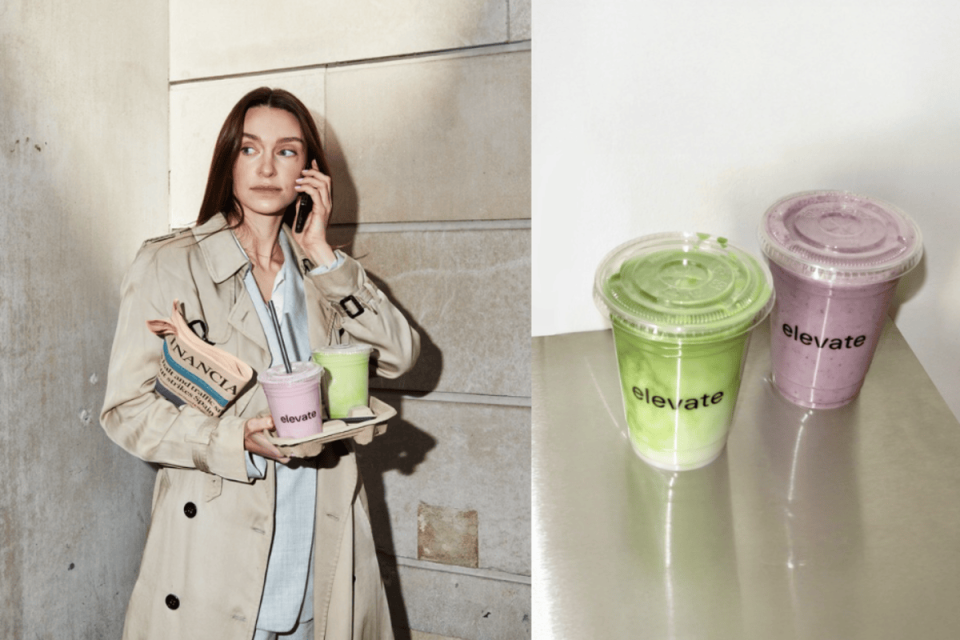
When Julia Baldet decided to open her smoothie bar, Elevate Wellness, she made an unconventional choice. Rather than targeting the usual wellness hotspots like Chelsea or Notting Hill, she set up shop on Threadneedle Street, home to the Bank of England. This bold move was driven by her belief that the finance sector, often associated with high-stress environments, could be a prime market for wellness products.
Elevate Wellness quickly gained traction, becoming a social media sensation. Known as "London’s answer to Erewhon," it attracted attention not just for its unique offerings but also for its strategic use of platforms like TikTok. Baldet had already built a following before the store even opened, using the platform to document the behind-the-scenes efforts of launching a business. This approach helped her amass 10,000 followers who eagerly awaited the launch.
The success of Elevate Wellness is not just about the product; it's about the community it fosters. With prices ranging from £8.90 to £15, the smoothies have become a status symbol among both the wellness crowd and the finance bros. Baldet notes that many customers travel specifically to experience the trend, highlighting the growing intersection between health and professional identity.
The Rise of the Wellness Bro
The concept of the "wellness bro" is gaining momentum, particularly in the City. Once seen as a feminine pursuit, wellness is now being embraced by men, especially those in finance. This shift is evident in the increasing number of wellness-focused businesses opening in areas traditionally dominated by financial institutions.
Baldet observed this change when she spoke with a journalist who noticed several men in suits enjoying blue smoothies outside her shop. This realization led her to understand that the finance bro demographic was a significant part of her customer base. Her male colleagues, often more health-conscious than her, were drawn to the idea of tracking their nutrition and optimizing their performance.
This trend is not isolated. The broader appeal of wellness has expanded beyond traditional marketing targets. Experts suggest that newer campaigns focus on shared neurobiology rather than cosmetic goals, resonating with men who see self-care as a professional necessity. For many, the return on investment in health is measurable, linking wellness directly to productivity and success.
Health as Wealth: The Male Perspective
For many men in the finance sector, health is viewed through the lens of performance. Baldet notes that her male customers prioritize output over aesthetics, seeking products that enhance their work efficiency. This mindset aligns with the broader cultural shift towards valuing well-being as an economic asset.
Caitlyn McClure, vice president of clinical services at Northern Illinois Recovery, emphasizes that wellness is no longer a fringe topic but an essential line item for professionals. The connection between health and work performance is clear, with many men recognizing that taking care of themselves translates to better job performance.
Dr. Daniel Glazer adds that the framing of wellness as a professional tool helps reduce the stigma around self-care. Men are increasingly viewing health as a necessary component of their career, moving away from the notion of indulgence. This shift is reflected in the growing number of men attending wellness services, challenging the stereotype that such spaces are solely for women.
The Double-Edged Sword of Wellness Culture
While the reduced stigma around wellness is a positive development, it is not without its challenges. The line between healthy habits and obsessive behaviors can be thin, especially within gym bro culture. Tracking macros and prioritizing discipline are common practices, but they can sometimes lead to unhealthy patterns.
Moreover, the association between aesthetics and professionalism is expanding to include men, raising concerns about societal expectations. London cosmetics doctor Vincent Wong notes an increase in male clients seeking skin treatments, indicating that maintaining a professional image is becoming more important than ever.
Despite these issues, the evolution of wellness culture in the City represents a significant shift. As the lines between health, professionalism, and personal identity continue to blur, the future of wellness looks more inclusive and dynamic than ever before.

Post a Comment for "How the Wellness Bro Conquered the City"
Post a Comment