How Trump Might Exploit Building Renovations to Replace Powell
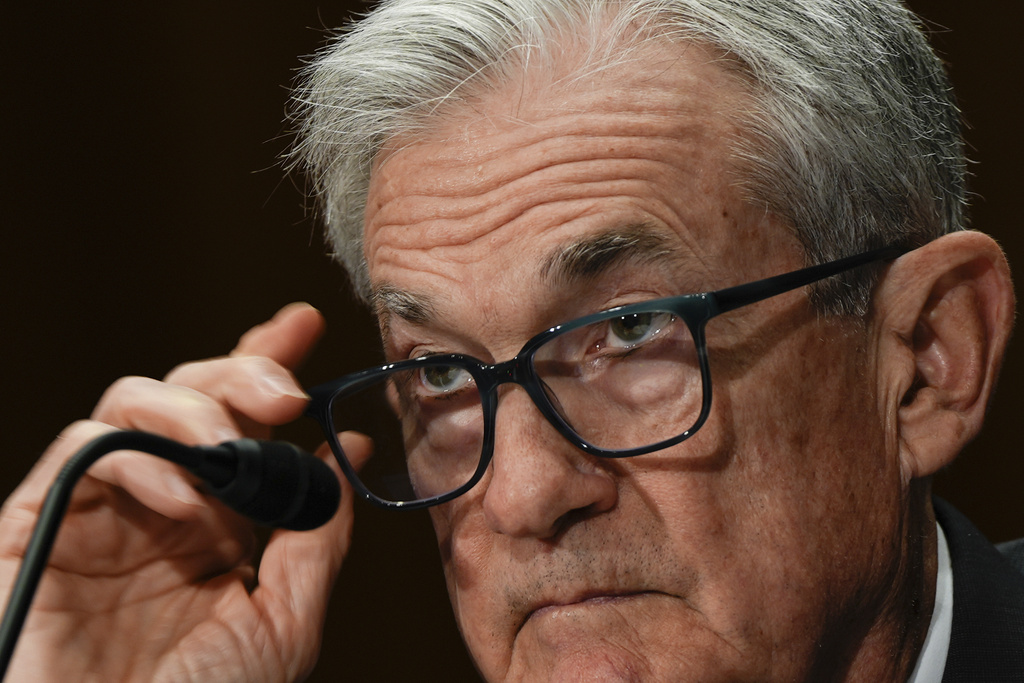
The Political Battle Over the Federal Reserve Chair
President Donald Trump has taken a new approach in his ongoing effort to remove Federal Reserve Chair Jerome Powell. Instead of focusing on Powell’s monetary policies, Trump has turned his attention to an issue that might provide a legal basis for dismissal: the Fed’s $2.5 billion building renovation project.
This move comes after months of pressure from Trump to replace Powell, who has resisted his calls to cut interest rates. Trump has long criticized Powell for maintaining high interest rates, which he believes are hurting economic growth. However, the Supreme Court recently ruled that Trump cannot simply fire Powell over policy disagreements. That said, the president could still attempt to remove Powell if there is evidence of misconduct or negligence.
Trump has seized on this possibility, suggesting that Powell’s management of the Fed’s building renovation could be grounds for removal. The project, which began during Trump’s first term, has been a source of controversy and criticism from the White House.
Market Risks and Political Implications
The potential removal of Powell raises concerns about the independence of the Federal Reserve. The Fed’s role is to make decisions based on economic needs rather than political pressures. If Trump succeeds in removing Powell, it could signal a shift toward greater political influence over monetary policy, potentially leading to market instability.
Economists warn that such a move could result in higher inflation, increased interest rates, and a weaker economy. The Fed’s independence has been a cornerstone of its effectiveness, and any perceived interference from the White House could erode public confidence in the central bank.
The Fed’s Building Renovation Project
The Federal Reserve’s main headquarters, the Marriner S. Eccles Building, is over 90 years old and requires extensive upgrades. The renovation includes updating electrical, plumbing, and HVAC systems, as well as removing hazardous materials like asbestos and lead. The project also involves modernizing communications systems and improving safety standards.
In addition to the main building, the Fed is renovating a second structure it acquired in 2018. The renovations are intended to consolidate operations and reduce long-term costs by minimizing the need for rented space.
However, the project has faced criticism for its rising costs. Originally budgeted at around $1.9 billion, the total has now reached $2.5 billion. Officials have cited increasing construction costs, unexpected asbestos removal, and local building restrictions as reasons for the budget overrun.
Controversy Over the Renovation Plans
White House officials have raised concerns about the renovation’s scope and expense. Russ Vought, the administration’s top budget adviser, criticized the project as “ostentatious,” pointing to features such as rooftop terrace gardens, VIP dining rooms, and premium marble. These claims were amplified by a report from the Mercatus Center, a think tank at George Mason University.
Powell denied these allegations, stating that many of the features mentioned in the report had been removed from the original plans. He emphasized that there are no VIP dining rooms, special elevators, or water features in the renovated buildings.
Legal and Ethical Concerns
The White House has also questioned whether the Fed violated the terms of its approval from the National Capital Planning Commission. The commission initially approved the project in 2021, but the Fed later modified its plans. This has led to accusations that Powell is being reckless with taxpayer funds and acting unethically by reducing costs.
James Blair, a White House deputy chief of staff, suggested that the changes to the project may not align with the original plans approved by the commission. He has indicated that the commission may need to reevaluate the project and possibly issue a new approval.
The Fed’s Response
The Federal Reserve has defended its actions, stating that it is not subject to the direction of the planning commission and has only followed its guidelines voluntarily. The Fed is accountable to Congress and is overseen by an independent inspector general.
Powell has requested an independent review of the renovation project’s costs to ensure transparency and accountability. The Fed continues to emphasize that the project is necessary for the safety and efficiency of its operations.
Conclusion
The debate over the Fed’s building renovation highlights the complex relationship between the executive branch and the central bank. While Trump’s focus on the project may seem like a strategic move, it raises broader questions about the independence of the Federal Reserve and the potential consequences of political interference in monetary policy. As the situation unfolds, the outcome could have significant implications for the U.S. economy and financial markets.

Post a Comment for "How Trump Might Exploit Building Renovations to Replace Powell"
Post a Comment