How Jimmy Kimmel Rose Against Trump
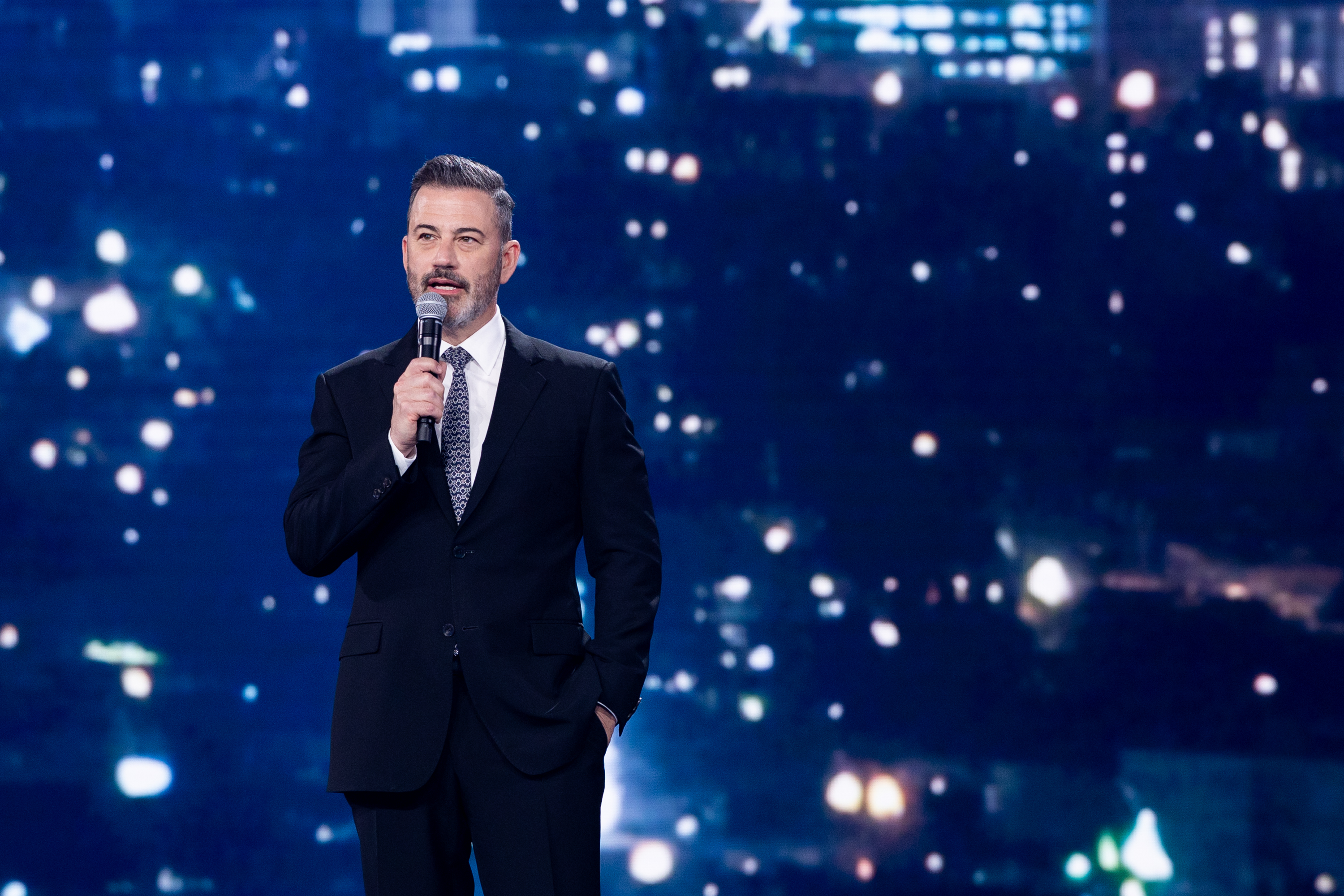
The Suspension of Jimmy Kimmel and the Political Tensions Surrounding It
Jimmy Kimmel, a prominent late-night television host, was temporarily removed from his show on ABC following intense pressure from the Federal Communications Commission (FCC). This move came after Kimmel made comments during a monologue that were perceived as critical of right-wing individuals, specifically referencing the suspect involved in the killing of right-wing podcaster Charlie Kirk. The incident has sparked significant debate about the intersection of media, politics, and free speech.
Kimmel's suspension is particularly notable because it marks an unusual step for a comedian to be taken off the air due to remarks made during a monologue. Typically, late-night talk shows are seen as platforms for humor rather than rigorous journalism. However, the situation surrounding Kimmel’s removal suggests that political pressures have played a substantial role in this decision. It appears that the FCC, under the influence of certain political figures, exerted considerable pressure on Disney-ABC, which owns Kimmel's show. This pressure was reportedly facilitated through Nexstar Media, the largest owner of TV stations in the United States, which had plans to preempt Kimmel’s show.
The controversy highlights the growing tensions between media outlets and political entities, especially in the context of the Trump administration's efforts to silence critics. Kimmel, who has long been seen as a figure representing the average American, has undergone a significant transformation in his career. Initially known for his laid-back, everyman persona, Kimmel gradually became more politically engaged, particularly after the birth of his son, who faced health challenges that led him to speak out on healthcare issues.
This shift in Kimmel's approach to politics coincided with a broader cultural evolution in American pop culture. His journey from the raunchy humor of The Man Show to a more serious and socially conscious voice mirrors the changing landscape of public discourse. Kimmel's ability to navigate these shifts has allowed him to remain relevant and respected, despite past controversies such as his use of blackface in earlier episodes of The Man Show.
In recent years, Kimmel has become a vocal critic of former President Donald Trump, often incorporating anti-Trump jokes into his monologues. This stance has not gone unnoticed by Trump, who has publicly criticized Kimmel's ratings and talent. The tension between Kimmel and Trump escalated further when Kimmel made an unexpected appearance during Trump's 2024 criminal trial, where prosecutors introduced text messages showing Trump's frustration over Stormy Daniels' appearance on Kimmel's show.
Despite the challenges, Kimmel has managed to maintain his position as a respected figure in the entertainment industry. His ability to evolve and adapt has allowed him to remain a significant voice in late-night television. However, the recent suspension serves as a reminder of the delicate balance between free speech and political influence in the media.
As the situation unfolds, it remains to be seen how Kimmel's return to the air will be handled. The incident raises important questions about the role of media in political discourse and the extent to which external pressures can influence programming decisions. Ultimately, Kimmel's story reflects the broader challenges faced by media personalities in navigating the complex landscape of modern politics and public opinion.

Post a Comment for "How Jimmy Kimmel Rose Against Trump"
Post a Comment