"Game Over Israel" Campaign Aims to Oust Israeli Soccer Teams from Global Competitions
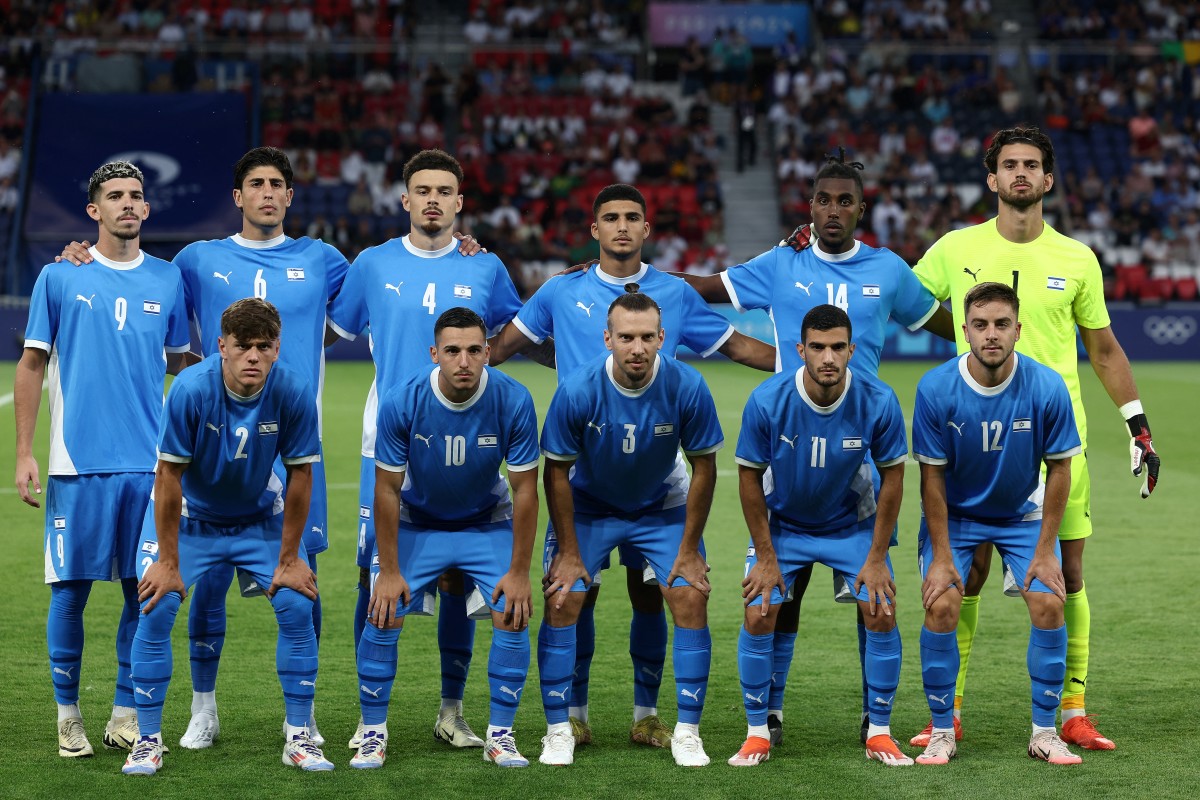
The Rise of the #GameOverIsrael Movement
A growing international movement is gaining momentum, calling for an end to Israel’s participation in global soccer. Under the banner #GameOverIsrael, the campaign has united human rights organizations, fan groups, athletes, celebrities, and political figures across Europe and beyond. The initiative has sparked intense debate, with supporters arguing that it is a necessary response to the ongoing conflict in Gaza, while critics see it as an attempt to politicize sport and isolate the Jewish state.
The campaign was launched with a prominent billboard in New York’s Times Square, accusing Israel of “genocide” and demanding that FIFA and UEFA suspend its teams. This move mirrors the sanctions imposed on Russia following its invasion of Ukraine in 2022. Organizers have also planned coordinated demonstrations in nine European countries, including Belgium, England, France, Greece, Ireland, Italy, Norway, Scotland, and Spain.
On their website, www.gameoverisrael.com, the organizers urge a boycott of Israel’s national team and any Israeli clubs, as well as a ban on Israeli players. Campaign manager Ashish Prashar, a political strategist, argues that sports federations should take action against Israel, stating, “Given the outrage at what is happening in Gaza, how can we allow those responsible – or complicit – to step foot on the pitches we love?”
A Controversial Stance
Craig Mokhiber, a former UN human rights official, echoed similar sentiments, saying, “We are living through a dark moment in history… inaction is complicity. Sport is a powerful social force – and football can be a channel for action. Boycott Israel.” However, this rhetoric has been met with strong opposition from many quarters.
Critics argue that the #GameOverIsrael campaign reflects a long-standing pattern of double standards faced by Israel in international sports. Since its creation, Israel has had to fight for its place on the global stage. In soccer, it was expelled from the Asian Football Confederation in 1974 after pressure from Arab states, leaving it without a regional home until joining UEFA in the 1990s. Israeli athletes have often been boycotted in competitions by athletes from countries like Iran, Algeria, and Kuwait, who refuse to compete against them.
This issue extends beyond simple refusals to play. Jewish and Israeli athletes continue to face rising antisemitism around the world. During the Tokyo Olympics in 2021, Algerian judoka Fethi Nourine was banned for 10 years for withdrawing from the Games to avoid an Israeli opponent. Israeli soccer clubs playing in Europe are frequently met with hostile protests, chants of “Free Palestine,” and antisemitic abuse, often leading to matches being held under heavy police protection.
The Broader Context
At youth tournaments across Europe, Jewish players have reported experiencing slurs and hostility simply for wearing a Magen David or representing an Israeli team. Critics of the #GameOverIsrael campaign argue that while it highlights accusations against Israel, it ignores the massacre of over 1,200 Israelis by Hamas on October 7, 2023, and the group’s use of schools, hospitals, and even sports facilities in Gaza to launch attacks and hide weapons. They claim the campaign seeks to delegitimize Israel rather than promote peace.
The initiative has gained support from notable figures such as Eric Cantona, Gary Lineker, and Irish actor Liam Cunningham, who stated, “Ireland should have nothing to do with Israeli teams or players. That’s how to show solidarity.” A Shamrock Rovers fan group has also issued similar demands. However, supporters of Israel warn that this rhetoric not only distorts the role of sport but also fuels antisemitism in Europe, where Jewish athletes and fans have increasingly been targeted amid rising tensions.
A Complex Debate
While organizers highlight the casualties and destruction in Gaza, they overlook the countless Israeli athletes who have been victims of terrorism, from the murder of 11 Israelis at the 1972 Munich Olympics to recent rocket attacks disrupting youth leagues and community matches. They also fail to acknowledge the diversity within Israeli sports teams, which include Jewish, Muslim, Christian, and Druze players competing together.
Some soccer institutions have shown support for the campaign’s message. The Italian Football Coaches’ Association has called for Israel’s suspension, and Spain’s Prime Minister Pedro Sánchez has introduced measures against Israel. However, in other regions, there has been resistance. For example, Norway’s federation, while donating ticket revenue from a World Cup qualifier to humanitarian relief, has rejected calls to boycott Israel outright.
Richard Falk, president of the Gaza Tribunal, claimed, “Israel has for many years used culture and sport to whitewash its violations of international law and human rights.” Yet for many Israelis and their supporters, these accusations reveal the campaign’s true aim: not to protect human rights, but to single out Israel in ways no other country is treated.
A Deeper Issue
For Israel’s defenders, the #GameOverIsrael campaign is not about soccer at all—it is part of a broader, decades-long effort to erase the Jewish state from international arenas. As one Israeli sports commentator put it, “Calls to ban Israel from football are not about fair play or human rights. They are about delegitimizing a nation and its people. That is why Israel must continue to play – and to win.”

Post a Comment for ""Game Over Israel" Campaign Aims to Oust Israeli Soccer Teams from Global Competitions"
Post a Comment