Florida Woman Jailed After HOA Sues Her — Why Ignore Your HOA's Demands at Your Own Risk
A Lawn Care Dispute Escalates to Jail Time
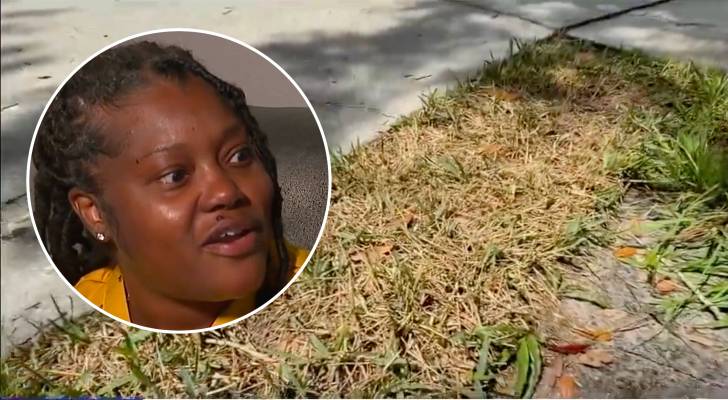
What began as a simple disagreement over lawn maintenance turned into a week-long jail sentence for Irena Green, a resident of the Creek View subdivision in Tampa’s Hillsborough County. Green claims the conflict started with an HOA violation related to the condition of her grass. She attributes the dry patches in her yard to last year’s mandatory watering restrictions and insists that her yard was not the worst on the block. However, she is the only homeowner in the neighborhood who has ever been sent to jail for such an issue.
“I think they have way too much power. I’ve never heard of anything like this in my life,” Green said.
In 2024, Florida led the country in HOA living, with 3.9 million of its 8.9 million homes falling under homeowners association rules—nearly 45% of all residences. While HOAs often provide structure and consistency, some residents question whether their authority extends to the point of jail time.
The Legal Warning
The dispute began when The Trowbridge Company Inc., the firm managing Green’s community, issued several violation notices. These included dry grass, a minor dent in her garage door, and mildew on her mailbox, which she claimed was caused by moisture from a nearby tree. The final issue was a cargo van parked in her driveway, a common sight in the neighborhood.
Green said she noticed that many other yards were also not up to par. Despite this, the HOA took her to court in Hillsborough County. Green represented herself and provided photos and explanations for each violation. However, the judge was not convinced. At a hearing last summer, she was given an ultimatum: fix the issues within 30 days or face jail time.
Green claims she started working immediately but missed her next court date, saying she never received the official notice. She even contacted the courthouse multiple times to track it down. The judge did not accept her explanation, and Green was held in contempt of court, leading to an arrest warrant.
How Far Is Too Far?
“I think it’s pretty rare in a civil case for someone to have a contempt order,” said Paul Boudreaux, a professor at Stetson Law School.
Living in an HOA community means agreeing to a set of rules that can dictate everything from parking to lawn height. For Green, the situation escalated quickly. After picking up her daughter from cheerleading practice, Green was pulled over, handcuffed, and booked into Orient Road Jail. She said she was the only person in civil court wearing a jail uniform.
Six days later, her sister-in-law—a paralegal—filed an emergency petition to challenge the arrest. Photos of Green’s yard and other evidence were submitted to a different judge than the one who had signed the original warrant. Still, the HOA’s attorney argued against her release.
The Risk of HOA Power Plays
HOAs offer benefits such as well-kept lawns and access to shared amenities. However, these perks come with strict rules and, in some cases, serious consequences. Green was eventually released, but her case highlights how quickly HOA conflicts can escalate.
“Sometimes they act in a petty manner, but if they decide that you need to do something, you need to follow the rules. And when a judge tells you to do something, you have to do it,” Boudreaux said.
Green later admitted she should have hired a lawyer earlier to better understand her rights. The HOA board has since brought in a new management firm to oversee enforcement.
For homeowners, it’s important to read the HOA bylaws carefully, look into the board’s track record, and seek legal advice if a conflict arises. A little due diligence can help avoid costly and avoidable trouble.
Key Takeaways for Homeowners
- Understand the Rules: HOA bylaws can be complex. Read them thoroughly before moving into a community.
- Know Your Rights: If a conflict arises, consult a legal professional to understand your options.
- Stay Informed: Research the HOA’s history and reputation to avoid potential issues.
- Document Everything: Keep records of any violations, communications, and attempts to resolve disputes.
- Act Promptly: If a court order is issued, make sure to comply and attend all scheduled hearings.
While HOAs can provide valuable services, their power should not come at the expense of individual rights. Residents must remain vigilant and informed to protect themselves from unfair treatment.

Post a Comment for "Florida Woman Jailed After HOA Sues Her — Why Ignore Your HOA's Demands at Your Own Risk"
Post a Comment