Florida Health Warns of Dengue Cases: What Are the Symptoms?
Dengue Cases Rise in Brevard and Miami-Dade Counties
The Brevard County Department of Health has issued an alert following the confirmation of four dengue cases within the county. This marks a growing concern as there have now been six locally acquired dengue cases reported in Florida, with four in Brevard County and two in Miami-Dade County. Additional cases were identified in Brevard County since the July 26 report from the Florida Department of Health on mosquito-borne illnesses.
Dengue is one of several mosquito-borne diseases prevalent in Florida. The state health department also conducts surveillance for other illnesses such as West Nile virus, Eastern equine encephalitis, St. Louis encephalitis, malaria, and chikungunya. These diseases pose ongoing public health challenges, especially during warmer months when mosquito activity increases.
Recent Dengue Outbreaks
Less than two weeks ago, the first case of locally acquired dengue was reported in Brevard County. In 2025, a total of six cases of locally acquired dengue have been reported across Florida. Four of these cases occurred in Brevard County, while two were recorded in Miami-Dade County. The most recent cases were identified in Brevard, with others reported in February, May, and June.
Understanding Dengue
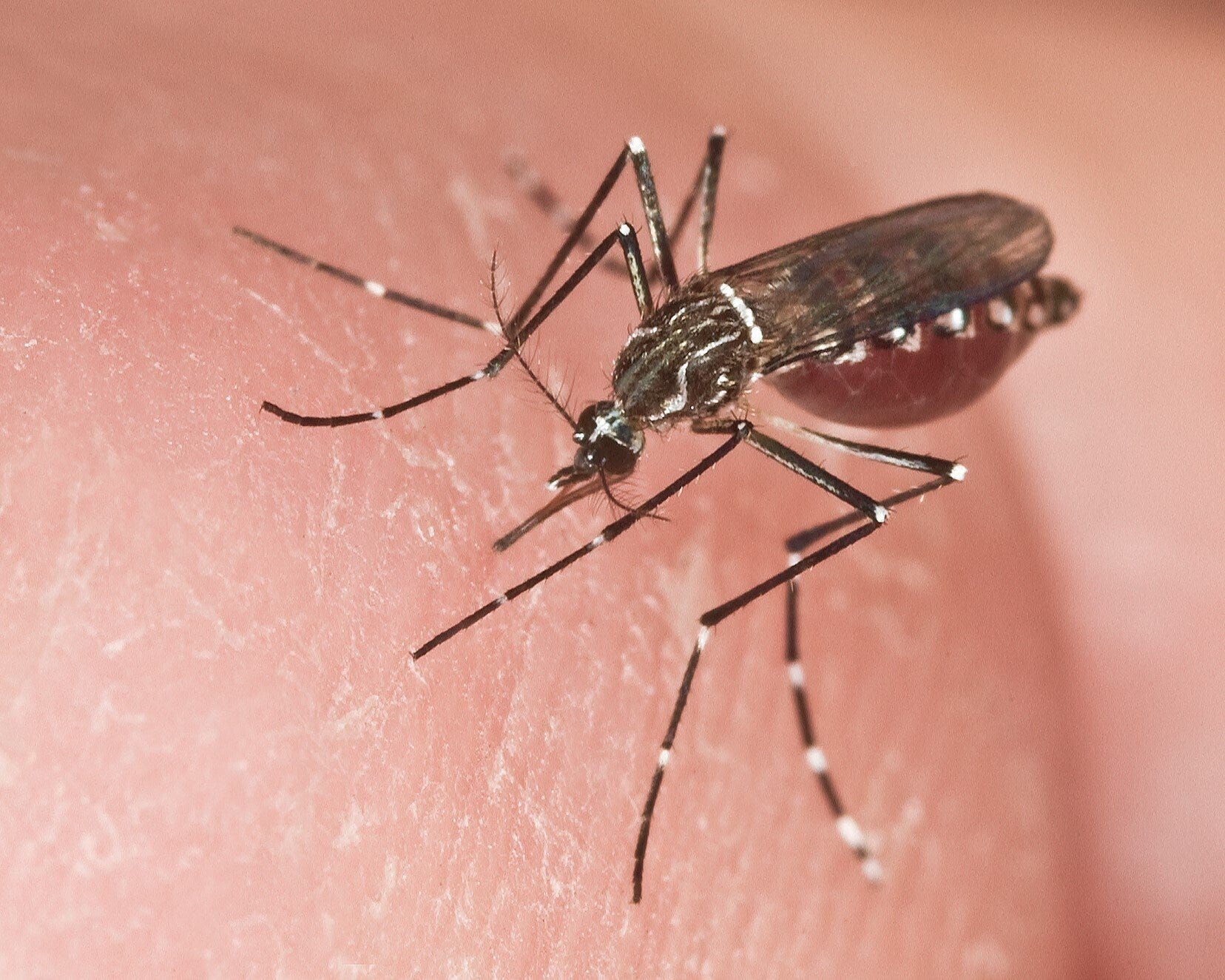
Dengue fever is a viral disease transmitted by mosquitoes. There are four distinct types of dengue viruses, according to the Centers for Disease Control and Prevention (CDC). The primary vectors are the Aedes aegypti and Aedes albopictus mosquitoes, both of which are present in Florida.
Symptoms of Dengue
Symptoms typically appear within two weeks of being bitten by an infected mosquito. Approximately one in four people who contract dengue will develop symptoms. Common signs include:
- Fever
- Severe muscle, joint, or bone pain
- Headache
- Eye pain
- Nausea and vomiting
- Rash
Most individuals recover within a week, but some may experience more severe complications. Mild symptoms can be mistaken for other febrile illnesses, making early detection challenging.
Severe Dengue: A Serious Threat
Severe dengue can be life-threatening and requires immediate medical attention. About one in 20 people who get sick with dengue may progress to severe dengue, which can lead to shock, internal bleeding, and even death. Warning signs that require urgent care include:
- Severe abdominal pain
- Frequent vomiting (three or more times in 24 hours)
- Bleeding from the nose or gums
- Vomiting blood or blood in the stool
- Extreme fatigue or restlessness
Preventing Mosquito-Borne Illnesses
To reduce the risk of dengue and other mosquito-borne diseases, the Florida Department of Health recommends the following precautions:
- Use insect repellent on exposed skin or clothing (not under clothing).
- Treat clothing and gear with products containing 0.5% permethrin.
- Ensure repellents are safe for children before use.
- Eliminate standing water around homes, as it serves as breeding grounds for mosquitoes.
Key Steps to Prevent Mosquito Breeding
Mosquitoes lay eggs in any standing water, even as little as a teaspoon. To prevent breeding, residents should:
- Empty or cover containers that hold water, such as buckets, toys, and pet dishes.
- Remove items like tires, pool covers, and trash cans that can collect rainwater.
- Clean gutters and bird baths regularly.
- Keep drains and containers free of stagnant water.
History of Dengue in Florida
Although dengue was eliminated from the United States decades ago, the disease has reemerged in certain areas. Most cases in Florida involve individuals who traveled to regions where dengue is endemic. However, local transmission has occurred in the past.
In 2009, an outbreak in Key West led to 22 confirmed cases. The following year, 66 locally acquired cases were reported in Florida. A similar outbreak occurred in Martin County in 2013, and dengue transmission was detected in Key Largo in 2020. These events highlight the importance of continued vigilance and public health efforts to control mosquito populations and prevent disease spread.

Post a Comment for "Florida Health Warns of Dengue Cases: What Are the Symptoms?"
Post a Comment