Fighter Jet Engine with 40,000 lbs Thrust Launches New Era
The Evolution of Aviation Technology
The aviation industry is on the brink of a major transformation with the upcoming construction of the world’s most powerful fighter jet engine. This revolutionary piece of technology is set to deliver an impressive 40,000 lbs of thrust power, marking a significant milestone in the field of aerospace engineering. The implications of this development extend beyond just performance, potentially reshaping global defense systems and redefining the future of air combat.
A Legacy of Innovation
The journey towards this groundbreaking engine began with the pioneering efforts of General Electric’s aerospace division. Over the years, GE Aerospace has been instrumental in advancing aviation technology through its continuous research and development. Their contributions have not only enhanced the efficiency of aircraft but also paved the way for future innovations in the industry.
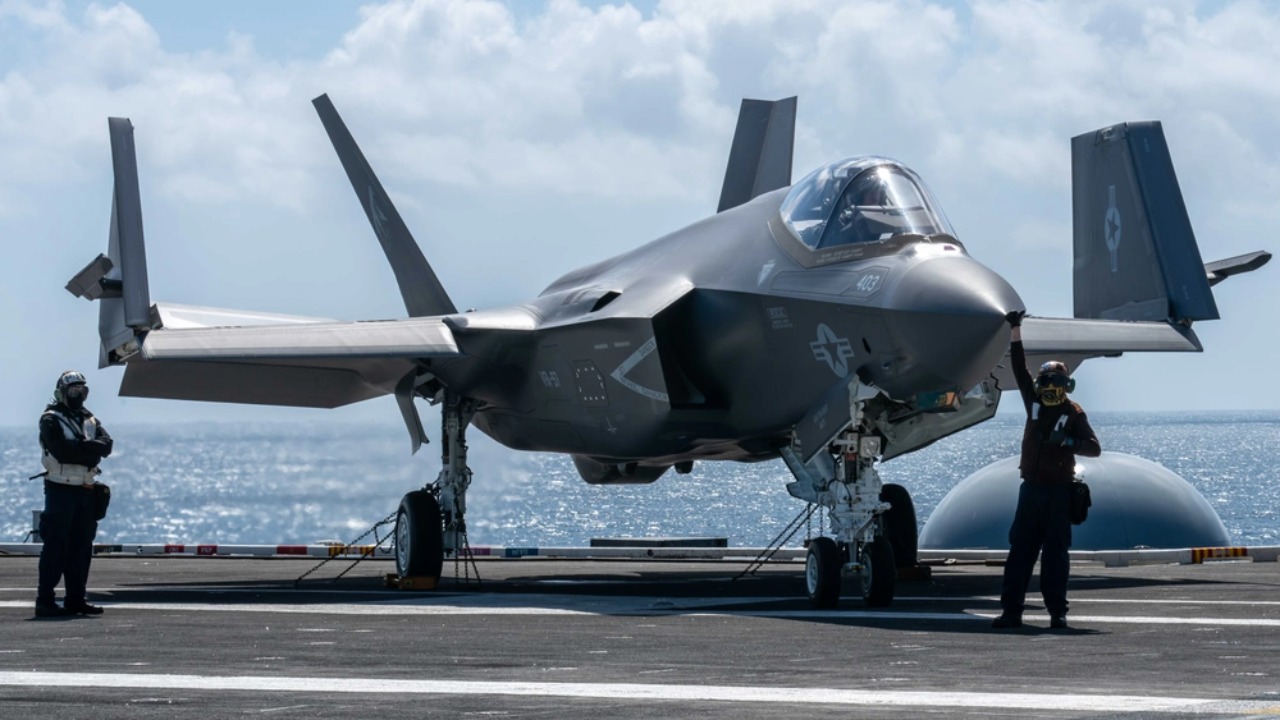
Another key player in this development is Pratt & Whitney. Known for their work on the F135 engine, which powers the F-35 fighter jet, the company has played a vital role in laying the groundwork for the new engine. Their expertise and experience have been crucial in achieving the high standards required for such a powerful propulsion system.
Key Features of the New Engine
At the heart of this new engine is its extraordinary 40,000 lbs of thrust power. This level of performance represents a substantial leap forward in terms of speed, maneuverability, and overall efficiency. Fighter jets equipped with this engine are expected to operate at unprecedented levels, providing pilots with a significant advantage in aerial combat scenarios.
Comparing it to other high-performance engines used in the world’s fastest fighter jets, the new engine stands out as a unique marvel. According to industry rankings, none of the top 10 fastest fighter jets possess an engine with similar thrust capabilities, making this development truly exceptional.
Construction and Development Process
The construction of these advanced engine units involves a complex process that combines traditional manufacturing techniques with cutting-edge technologies. Additive manufacturing, or 3D printing, is likely to play a significant role in the production of these engines. This approach allows for greater precision and customization, ensuring that each unit meets the stringent performance and safety standards required by aviation authorities.
While specific details about the construction process remain confidential, it is clear that the project represents the culmination of decades of research and technological advancement. The meticulous planning and execution involved in building these engines highlight the importance of innovation in the aerospace sector.
Implications for Global Defense Systems
The introduction of this high-powered engine has the potential to revolutionize global defense systems. By enhancing the capabilities of modern fighter jets, it could significantly impact the dynamics of air superiority. The engine's unique features may lead to a shift in the balance of power among nations, prompting them to reassess their strategies for air defense.
However, the extent of its impact will depend on how widely the engine is adopted and the strategies implemented by different countries. Regardless of the adoption rate, this development is poised to create ripples across the global defense landscape, driving innovation and prompting strategic reevaluations.
Future Prospects of Fighter Jet Engines
Looking ahead, the future of fighter jet engines appears promising. Continuous advancements in aviation technology are paving the way for even more powerful and efficient engines. The trend suggests that future engines may surpass the current 40,000 lbs of thrust, pushing the boundaries of speed and performance further.
Additionally, the longevity of these engines is an important consideration. Drawing from the example of the GE CF6, which has been in service for over 50 years, it is evident that with proper maintenance and upgrades, jet engines can have a long operational lifespan. This insight highlights the importance of sustainable design and maintenance practices in the aviation industry.
In conclusion, the development of the world’s most powerful fighter jet engine marks a significant step forward in aviation technology. With its impressive thrust power, innovative construction methods, and potential impact on global defense systems, this engine is set to redefine the future of air combat and aerospace engineering.

Post a Comment for "Fighter Jet Engine with 40,000 lbs Thrust Launches New Era"
Post a Comment