Etruscan Tombs Unveiled in Digital Portal
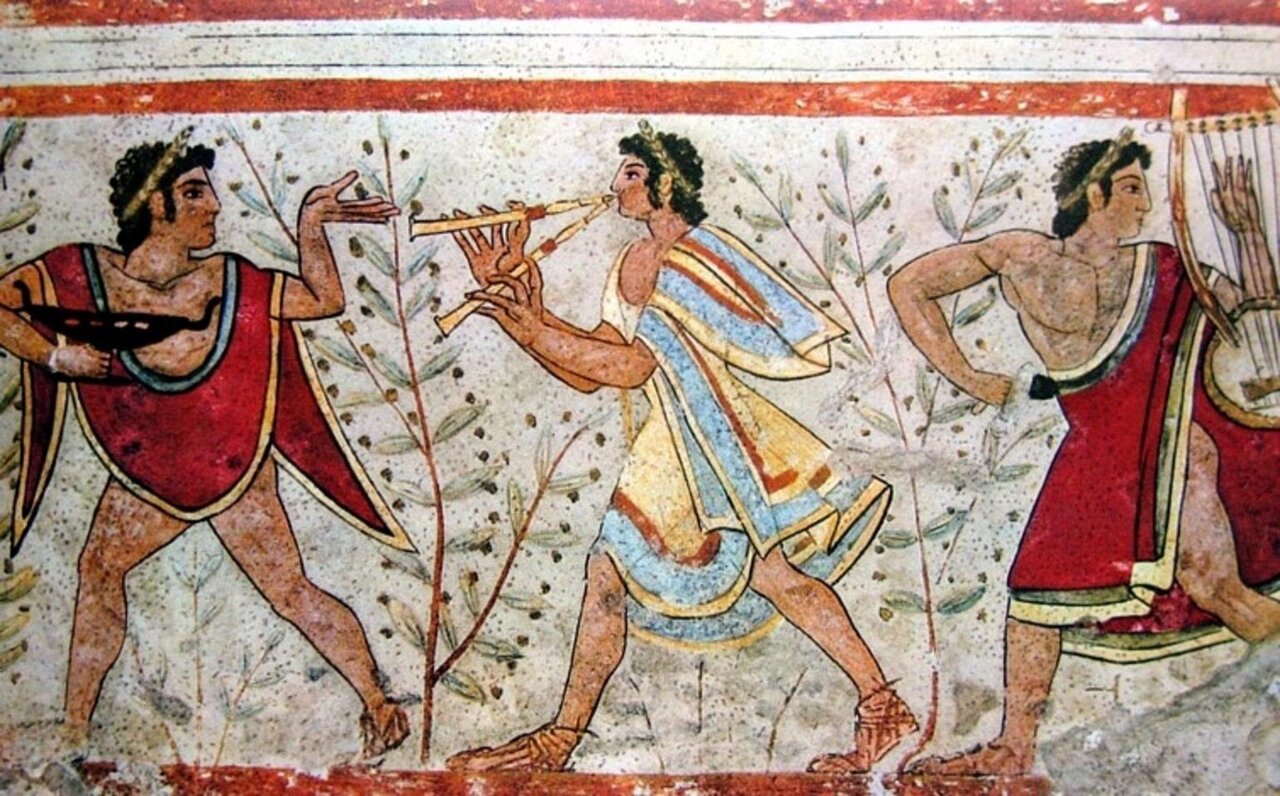
Exploring Ancient Tombs from the Comfort of Your Home
Imagine stepping into a 2,500-year-old tomb without leaving your home. Thanks to advanced digital technology, this is now possible. Swedish researchers have documented and visualized nearly 280 Etruscan chamber tombs in Italy, creating a digital portal that offers access to this rich cultural heritage for scholars, students, and the public around the world.
This initiative allows users to explore these ancient sites in detail, providing an immersive experience that was previously only possible through physical visits. The project combines historical research with modern technology, making it easier for people to engage with the past in new and innovative ways.
A New Way to Experience Cultural Heritage
The digital portal brings together earlier research from the Swedish Institute in Rome and integrates it with new digital documentation made possible by recent technological advances. Traditional tools like plumb bobs, measuring tapes, and field notes are now complemented by photogrammetry, laser scanning, and databases.
Jonathan Westin, a research engineer at the University of Gothenburg, has personally explored several tombs near San Giovenale in Italy. He describes the experience as both challenging and rewarding, emphasizing how these sites have remained largely untouched for centuries.
“Sometimes it feels as if time has stood still, and we are intruding on a lasting silence,” he says. His work, along with that of his colleagues, has resulted in a detailed digital model and an interactive interface where each tomb can be explored virtually.
Virtual Reality Enhances Accessibility
In addition to the digital portal, the project has developed a Virtual Reality (VR) application that provides a more immersive experience. This tool allows users who may never have the chance to visit these sites in person to explore them in 3D.
“The 3D scans allow people who have never been able to travel to these sites or descend into the chambers to both experience them and extract new data for the first time,” explains Westin.
Accessing the actual tombs can be difficult due to their remote locations and the need to navigate through collapsed passages and thick dust. Many of these sites require crawling through narrow openings, making the virtual experience a valuable alternative for those unable to visit in person.
A Legacy of Archaeological Exploration
The Swedish Institute in Rome has played a central role in Swedish archaeology in Italy since 1925. It was heavily involved in major excavations in southern Etruria during the 1950s. Today, its library is one of the world's leading resources in Etruscology, attracting scholars from around the globe.
Hampus Olsson, a senior lecturer at the Swedish Institute in Rome, highlights the significance of the institute’s work. “The excavations gained significant media attention, both in Sweden and in Italy, thanks in large part to King Gustav VI Adolf's involvement. The king, himself an archaeologist with a deep passion for ancient cultures, personally participated in the excavations up until the year before his death in 1973.”
The institute and the University of Gothenburg hope that the digital database will continue to expand and serve as a valuable resource for future projects.
Future Educational Opportunities
Starting in 2026, the portal will also be integrated into educational programs at the University of Gothenburg. Students will have the opportunity to gain hands-on experience in data collection, 3D scanning, and digital publishing through collaboration with the Swedish Institute in Rome.
This initiative not only preserves the past but also ensures that future generations can learn from and engage with these ancient sites in meaningful ways.
For more information, visit the digital portal at: https://etruscan.dh.gu.se/

Post a Comment for "Etruscan Tombs Unveiled in Digital Portal"
Post a Comment