Essential Tips to Keep Store-Bought Basil Alive
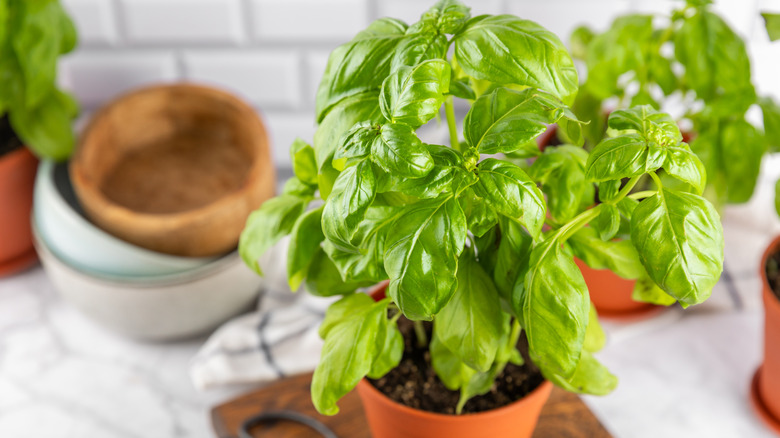
The Benefits of Growing Basil at Home
Whether you're a seasoned chef or someone who enjoys experimenting with new recipes, basil is a versatile and essential ingredient that can elevate your cooking. For those who love basil, having a constant supply of fresh leaves can be both convenient and cost-effective. By learning how to grow and care for basil plants, you can enjoy a never-ending harvest while also keeping your kitchen free from pesky flies.
Basil thrives in warm, sunny environments, making a south-facing windowsill an ideal spot for indoor growth. Lisa Steele, a gardener, fifth-generation chicken keeper, and author of The Fresh Eggs Daily Cookbook, emphasizes the importance of proper watering techniques. She recommends watering from the bottom by filling the base of the pot with water rather than pouring it directly onto the plant. This method allows the roots to absorb moisture as needed without risking root rot from overwatering.
In addition to watering, regular pruning helps maintain a healthy and vigorous basil plant. Steele advises removing the largest leaves but not more than one-third of any single branch or the entire plant at once. While fertilizing can be beneficial, she notes that basil typically doesn’t require heavy nutrient inputs, so it’s often best to skip this step unless necessary.
If you’re considering moving your basil outdoors, Steele warns that it is particularly sensitive to cold temperatures. The plant can suffer damage when temperatures drop below 50°F, and it may die if exposed to temperatures near 40°F. To protect your plant, she suggests keeping it in a pot so it can be easily moved indoors during colder weather.
Storing Fresh Basil for Longevity
When it comes to storing cut basil, Steele offers several practical tips. She recommends trimming the stems and placing the sprigs in a glass of water on a sunny windowsill. This method can keep the leaves fresh for up to a week or two. For longer storage, cover the sprigs loosely with a plastic bag and place them on the counter away from direct sunlight.
Steele also highlights that refrigeration is not ideal for fresh basil due to its sensitivity to cold. However, if you want to preserve basil for future use, you can freeze the leaves in olive oil using ice cube trays. These frozen basil cubes are perfect for adding flavor to pesto, soups, and pasta dishes.
By following these expert tips, you can ensure that your basil plant remains healthy and productive throughout the year. Whether grown indoors or outdoors, basil is a rewarding herb that adds a delightful aroma and taste to any dish. With the right care, you’ll always have fresh basil ready to enhance your culinary creations.

Post a Comment for "Essential Tips to Keep Store-Bought Basil Alive"
Post a Comment