Emergency Responders Train with Crash Simulation on Route 219
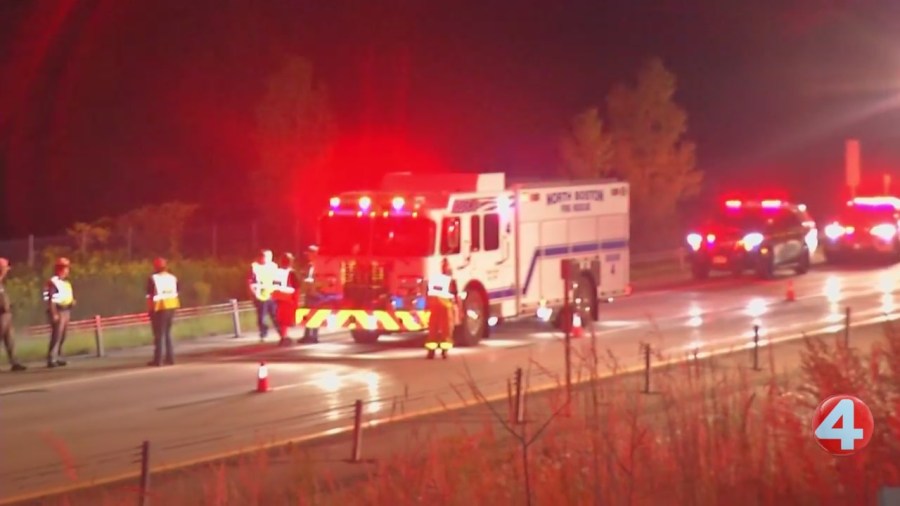
Enhancing Emergency Response Through Realistic Training
First responders from various regions came together for a practical training session on Tuesday night, organized by the New York State Department of Transportation. The purpose of this exercise was to enhance their ability to manage incidents on the road while ensuring the safety of all individuals involved.
The training took place on a closed section of Route 219 in Springville. This location is particularly significant because it is a site where many incidents, including vehicle crashes, frequently occur. By conducting the training in such an environment, emergency crews were given a rare opportunity to practice their skills in a setting that closely resembles real-world conditions.
During the session, emergency teams engaged in a realistic crash simulation. This hands-on approach allowed them to prepare for everyday scenarios they may encounter while responding to emergencies. The exercises were designed to test their coordination, decision-making, and ability to work under pressure.
Officials emphasized the importance of this type of training, especially in light of recent events. The deadly Pembroke bus rollover crash in August served as a stark reminder of the need for quick and coordinated responses. Such incidents highlight how critical it is for first responders to be well-prepared and able to act swiftly when necessary.
“Getting everybody to work together so we’re prepared for when you do have a large incident like that,” said Athena Hutchins, Executive Director of NITTEC. “When that accident happened, that crash, we were able to put in place a lot of the practices we do. All of the collaboration we’ve done throughout our region, it is very unique.”
The training not only focused on individual skills but also on teamwork across different agencies. It provided a platform for responders to build relationships and improve communication, which are essential during large-scale incidents. The collaborative efforts among regional departments have created a model that others can look to for guidance.
Some key aspects of the training included:
- Practicing traffic control measures to ensure the safety of both responders and the public.
- Simulating the coordination between different emergency services, such as fire, police, and medical personnel.
- Testing the effectiveness of communication systems during high-stress situations.
- Reviewing procedures for handling multiple casualties and managing resources efficiently.
This initiative underscores the commitment of local and state authorities to continuously improve emergency response capabilities. By investing in regular training and simulations, they aim to reduce the impact of future incidents and save more lives.
In addition to the technical skills, the training also emphasized the importance of mental preparedness. Responders were encouraged to reflect on past experiences and learn from them to better handle similar situations in the future.
Overall, the event highlighted the value of proactive preparation and the benefits of a unified approach to emergency management. As first responders continue to face new challenges, the lessons learned from this training will play a crucial role in shaping future strategies and improving public safety.

Post a Comment for "Emergency Responders Train with Crash Simulation on Route 219"
Post a Comment