Double Standards in Refugee Crises: Gaza vs. Ukraine and Syria
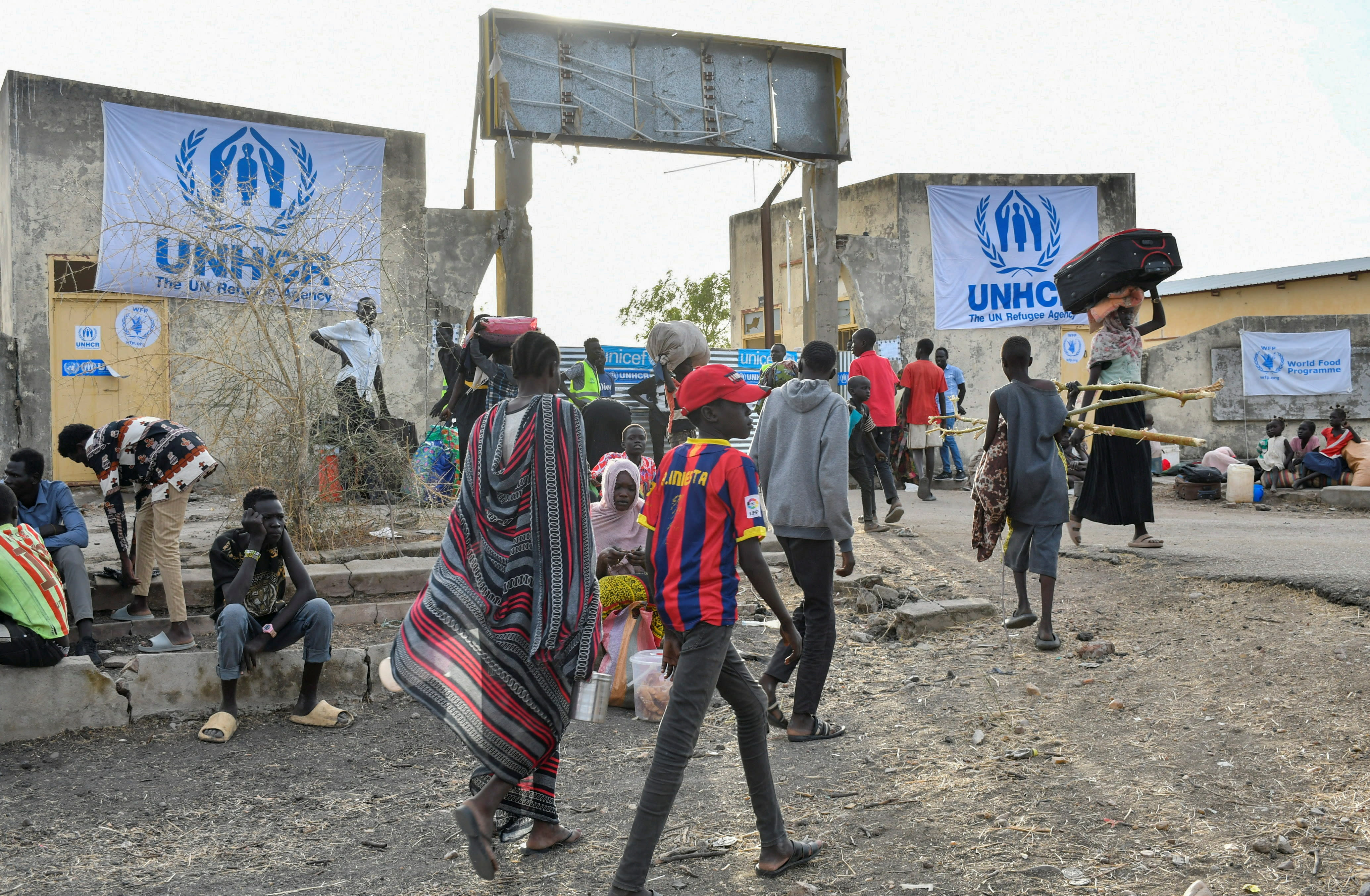
A Double Standard in Refugee Policies
When Russia launched its full-scale invasion of Ukraine in 2022, it triggered the largest refugee crisis in Europe since World War II. Millions of Ukrainians sought shelter, and many neighboring countries, as well as those farther afield, opened their doors. This was seen as the right and moral thing to do—offering refuge to those fleeing a war zone. Who would want to remain trapped in a battlefield?
However, not all countries shared this sentiment. One European country that was not enthusiastic about taking in refugees was Hungary. While it did not fully close its border, it imposed significant restrictions on entry and support under certain circumstances. In August 2024, Budapest went a step further by passing a law limiting state support only to refugees from active war zones in Ukraine.
Human rights organizations, the European Commission, and the UN High Commissioner for Refugees (UNHCR) criticized the Hungarian position, calling it inhumane and a violation of EU law. Human Rights Watch described these measures as “cruel” and a “new low” in refugee policy. The European Commission was urged to initiate legal proceedings and impose penalties.
But what is true for refugees from the Russian-Ukrainian war is not true in the Gaza-Israel conflict. Here, regional countries are refusing to take in any refugees and argue that even considering the idea endangers their national interests. The world, including human rights organizations, remains largely silent. Egypt, Jordan, and Gulf states are not called out for their adamant refusal to absorb a significant number of Gazans; instead, Israel is castigated for even suggesting that those seeking to flee Gaza should be allowed to leave.
Highlighting the Double Standard
Prime Minister Benjamin Netanyahu highlighted this double standard in an interview last week. He noted that, according to various polls—Western, Arab, and Israeli—at least 50% of Gaza’s population would like to leave, even if some hope to return later. He pointed out that, despite claims of concern for Palestinians, Western countries and human rights organizations are screaming “What? don’t leave!” instead of allowing people who want to leave to do so.
Netanyahu stressed that it is a fundamental human right to choose whether to stay or leave, yet in this case, the champions of human rights are silent. He also mentioned that Israel could open the Rafah Crossing to allow Gazans to go to Egypt, but he warned that they would be stopped immediately.
This comment infuriated the Egyptians. Foreign Minister Madgy Abdelatty responded in Nicosia, stating that displacement is not an option and is a redline for Egypt. He argued that allowing Gazans to flee would mean liquidation and the end of the Palestinian cause. He further claimed that there is a genocide in motion in Gaza, with mass killing of civilians and artificial starvation created by Israelis.
Yet, despite these accusations, Egypt will not allow Gazan refugees across the border, even temporarily to alleviate the situation.
A Rare Response from Israel
Netanyahu did not remain silent. In a rare instance of Israel publicly responding to anti-Israel rhetoric from Egypt, the Prime Minister’s Office issued a rebuttal. It stated that Netanyahu was referring to every person’s basic right to choose where they live—a right that holds true at all times, especially in wartime. The statement emphasized that instead of allowing residents to leave the war zone, the Egyptian Foreign Ministry prefers to confine them against their will.
The world lets Egypt’s closed-door policy pass, raising questions about the consistency of global responses to refugee crises.
Contrasting Responses to Different Conflicts
Imagine the global uproar if Moldova, Poland, and Romania had built higher walls and thicker barbed wire to keep out Ukrainian refugees in 2022. Imagine if the Romanians had said to the Ukrainians, “Stay, so the Russians don’t take over your homeland,” and slammed the doors in their faces. It wouldn’t have happened—and it didn’t happen.
Nor is this contrast limited to Ukraine. Look at another Middle East conflict: Syria. The Syrian civil war, lasting more than 13 years, created an estimated seven million refugees, many of whom found safety in Europe. Germany alone took in almost 650,000, according to the UNHCR’s 2022 data. Sweden accepted about 120,000, Austria 65,000, the Netherlands and Greece around 40,000 each. Muslim Turkey took in more than three million.
Yet these same countries will not take in Gazans, even temporarily, and slam Israeli officials for daring to suggest they give shelter to Gazans fleeing war. Spain, Ireland, the Netherlands, and France, all outspoken in their condemnation of Israel’s war against Hamas, have not exactly opened their gates to them either.
Reasons Why European Countries Won't Take in More Refugees
Senior European diplomats confirm that it will never happen. When asked why Syrian refugees were accepted but not Gazans, the answer is often that the Syrian wave hardened public opinion against immigration. For domestic political reasons, European governments cannot afford to let in Gazans.
Germany, for instance, has 5.5 million Muslims in a population of 83 million. The main reason given now to explain why Berlin will not open its gates to Gazans, as it did to Syrians, is that doing so could hand electoral victory to the far-right anti-immigrant AfD. And Germany is not alone.
Throughout Europe, previous waves of Muslim immigrants have led to a backlash against allowing in any more refugees—even from Gaza. In many countries where there are frequent, large, and loud demonstrations against Israel’s war in Gaza, few of them feature signs calling on local governments to let in Gazan refugees.
Shifting Principles in Refugee Policies
When it comes to refugees, it seems that lofty principles shift depending on who is fleeing and from where. The Ukrainians were welcomed. The Syrians, to a point, were accepted. But the Gazans? They are told to stay put while regional and some European countries lock their doors and accuse Israel of genocide—a “genocide” that could be eased in an instant by simply opening those doors. Yet they refuse, and that refusal makes their accusations not just hollow, but cynical. It exposes the uncomfortable truth that their outrage is less about saving Gazans and more about demonizing Israel.

Post a Comment for "Double Standards in Refugee Crises: Gaza vs. Ukraine and Syria"
Post a Comment