Disasters Multiply in Sudan and Afghanistan
A Humanitarian Crisis in Sudan and Afghanistan
The death tolls from recent disasters in Sudan and Afghanistan remain unclear, but they are estimated to be in the thousands. In the western Sudanese region of Darfur, a landslide on August 31 wiped out the entire village of Tarasin, possibly killing over a thousand people. The town is located in the remote Marrah Mountains, accessible mainly by foot or donkeys, according to aid workers and local militia. U.N.-affiliated relief teams struggled to reach the site for several days after the disaster.
This tragedy stands as one of the worst natural disasters in modern Sudanese history, yet it seems like a small part of an ongoing humanitarian crisis. Sudan has been plagued by a civil war that began in April 2023, which has likely resulted in over 150,000 deaths. The country is now facing a famine, a cholera epidemic, the world's largest displacement crisis, and numerous other humanitarian challenges. The Marrah Mountains have seen an influx of displaced civilians fleeing fighting in areas like El Fasher, where U.N. officials warn of an entire population at risk of starvation.
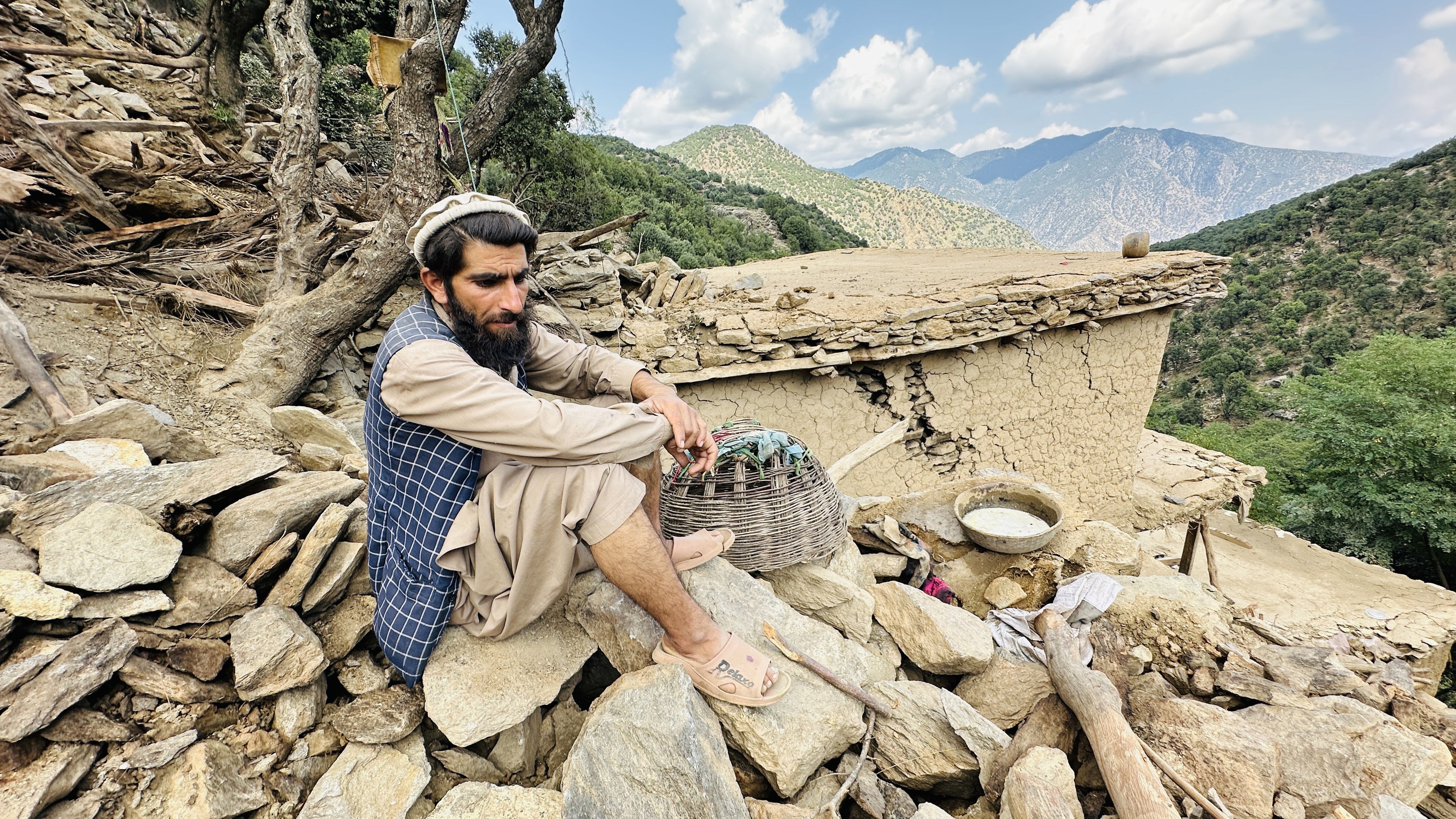
On the same day as the deadly landslide in Sudan, a powerful earthquake struck Afghanistan’s eastern Konar province. According to government officials, the quake and subsequent aftershocks have killed more than 2,200 people. Rescue efforts have been hindered due to limited resources, damaged infrastructure, and difficult terrain. An Islamic relief charity estimated that only 2% of homes in the province remain standing, highlighting the scale of destruction. U.N. officials report that over half a million people, including many children, have been affected by the earthquake, with many left stranded in the mountains without adequate shelter.
Afghanistan's Taliban government has requested international assistance, and several countries, including China and Uzbekistan, have sent aid. Humanitarian organizations have mobilized some emergency funds, but this is only a fraction of what is needed for communities already living in poverty. A farmer from the devastated town of Wadeer told the Associated Press, “My family lost about 300 cows, sheep, and goats in this earthquake. All the people in the village were farmers and livestock keepers. We have no other source of income. I don’t know what to do or where to go because our homes collapsed. Not even a wall is left. What are we going to do with this life?”
The suffering in Afghanistan extends beyond the regions hit by natural disasters. Approximately half of the Afghan population requires some form of humanitarian assistance. Cuts in U.S. aid and other funding shortfalls have worsened the situation in a country long dependent on international support. The Taliban's strict policies have severely impacted women, restricting girls' access to education and pushing women out of public life. Reports suggest that some male rescue workers in Konar refused to assist injured women due to cultural prohibitions against touching them.
Despite their isolation, the Taliban have attempted to stabilize the economy. However, Afghanistan faces challenges from the return of over 2 million refugees deported from neighboring countries. The closure of USAID-funded medical facilities under the Trump administration has left hundreds of thousands without access to vital food and healthcare.
Jacopo Caridi, Afghanistan country director for the Norwegian Refugee Council, stated, “Local resources are stretched to the breaking point, and lack of funding is limiting the scale and speed of the humanitarian response.” He urged donors to continue supporting Afghans through long-term investment in their future.
In both Sudan and Afghanistan, the situation remains dire. While some governments are reevaluating their approach to the Taliban, the U.S. maintains strict sanctions and shows no signs of normalizing relations. The Trump administration also terminated protected status for thousands of Afghan refugees hoping to build a life in the U.S., including those who worked closely with U.S. forces.
The International Criminal Court believes there is sufficient evidence of war crimes in Sudan, particularly committed by the Rapid Support Forces in Darfur. Despite his global peacemaking efforts, Trump has not focused much attention on ending the conflict in Africa's third-largest country.
USAID cuts have had a measurable impact on lives in Sudan, especially in the rising number of children dying from malnutrition. The United Nations estimates that 7 million women and girls in Sudan cannot access essential reproductive health services, leading to increased stillbirths, newborn mortality, and preventable maternal deaths.
The crises in Sudan and Afghanistan occur during a time when Western societies are increasingly resistant to accepting new refugees, and major governments are reducing funding for international humanitarian efforts. Cindy McCain, executive director of the U.N.’s World Food Program, wrote in an op-ed, “Global needs are alarmingly high, driven overwhelmingly by the consequences of conflict and instability, yet the resources required to meet them are shrinking as some governments cut their funding for international humanitarian work.”
You’re reading an excerpt from the WorldView newsletter.
Sign up to get the rest, including news from around the globe and interesting ideas and opinions to know, sent to your inbox on Mondays, Wednesdays and Fridays.

Post a Comment for "Disasters Multiply in Sudan and Afghanistan"
Post a Comment