Columbia University to Pay $200 Million in Discrimination Settlement
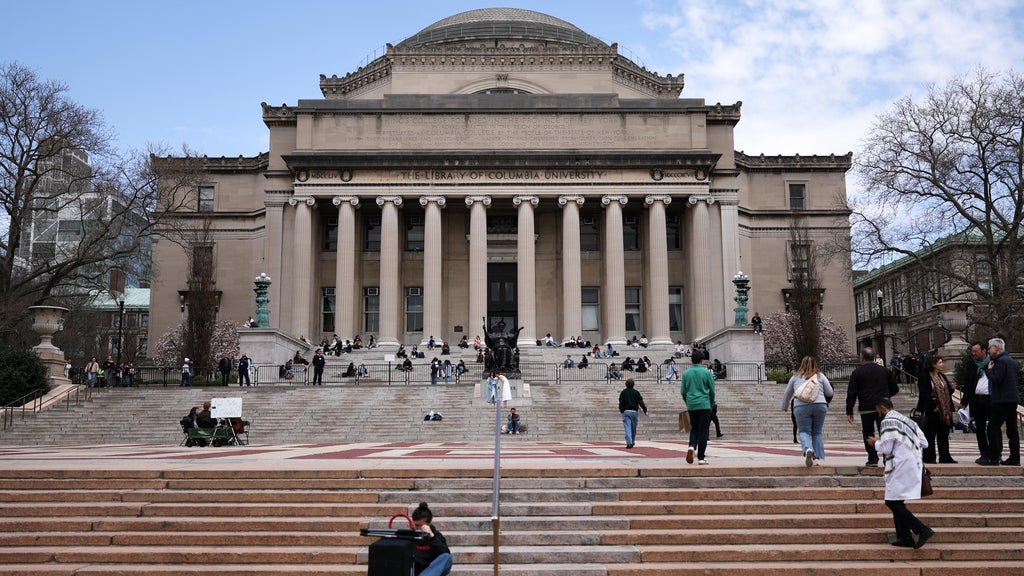
Columbia University Settles with Federal Government Over Discrimination Allegations
Columbia University has agreed to pay a $200 million settlement to the federal government as part of a resolution to address investigations into alleged violations of anti-discrimination laws. This agreement marks a significant development in the ongoing legal and institutional challenges faced by the university, particularly concerning its handling of antisemitism on campus.
The school's acting president emphasized that the institution will continue to uphold its academic independence while reinstating previously terminated grants and ensuring that faculty members can once again qualify for future research funding. The settlement is expected to restore critical federal funding for research grants, which had been withheld since early March.
Financial Details of the Settlement
According to a statement released by Columbia's Office of the President, the $200 million will be paid over three years, with an additional $21 million allocated to settle investigations led by the United States Equal Employment Opportunity Commission (EEOC). The Trump administration had accused Columbia of failing to address antisemitism on campus, leading to the withholding of $400 million in federal grants from the university.
In its statement, Columbia acknowledged the painful experiences faced by Jewish students and faculty, noting that reforms were necessary. While the university does not admit to wrongdoing, it stated that leadership recognized the need for change and committed to addressing these issues through the agreement.
Policy Changes and Legal Compliance
As part of the settlement, Columbia has agreed to implement several policy changes. These include a ban on face masks or coverings intended to conceal an individual’s identity, guidelines for protesters to show university IDs, and the hiring of special safety officers. Additionally, the university has committed to following laws that prohibit the consideration of race in student admissions and faculty hiring.
Acting University President Claire Shipman highlighted the importance of this agreement, stating that it represents a step forward after a period of intense federal scrutiny. She emphasized that the settlement was designed to protect the values that define the university and to reestablish its essential research partnership with the federal government. Shipman also noted that the agreement safeguards academic independence, which she described as a critical component of academic excellence and scholarly exploration.
Oversight and Monitoring
To ensure compliance with the terms of the agreement, Columbia has agreed to have an independent monitor oversee the implementation of the settlement. This monitor will report to the government every six months, providing updates on the university's progress.
Reactions from Officials and Organizations
This settlement comes at a time when Columbia has taken disciplinary action against dozens of students involved in past campus protests. The timing of the agreement has sparked varied reactions from officials and organizations.
President Donald Trump praised the deal on Truth Social, calling it a "historic agreement with Columbia University." He highlighted the financial penalties and the commitment to ending diversity, equity, and inclusion (DEI) policies, emphasizing that the university would now focus on merit-based admissions and protecting civil liberties.
U.S. Secretary of Education Linda McMahon also commented on the settlement, stating that Columbia's reforms could serve as a model for other elite universities seeking to regain public trust. She commended the efforts of President Trump, the federal Task Force to Combat Antisemitism, and those involved in negotiations.
However, not all reactions were positive. The New York Civil Liberties Union criticized the university for what it described as a failure to stand up for academic freedom. A spokesman for the organization representing Columbia Jewish and Israeli Students expressed disappointment that the agreement did not achieve as many reforms as initially sought by the federal government.
Conclusion
The settlement between Columbia University and the federal government underscores the complex interplay between institutional accountability, academic freedom, and the broader societal implications of discrimination on college campuses. As the university moves forward, the effectiveness of the reforms and the long-term impact of the agreement remain to be seen.

Post a Comment for "Columbia University to Pay $200 Million in Discrimination Settlement"
Post a Comment