Columbia University ends legal fight with Trump administration: Key details
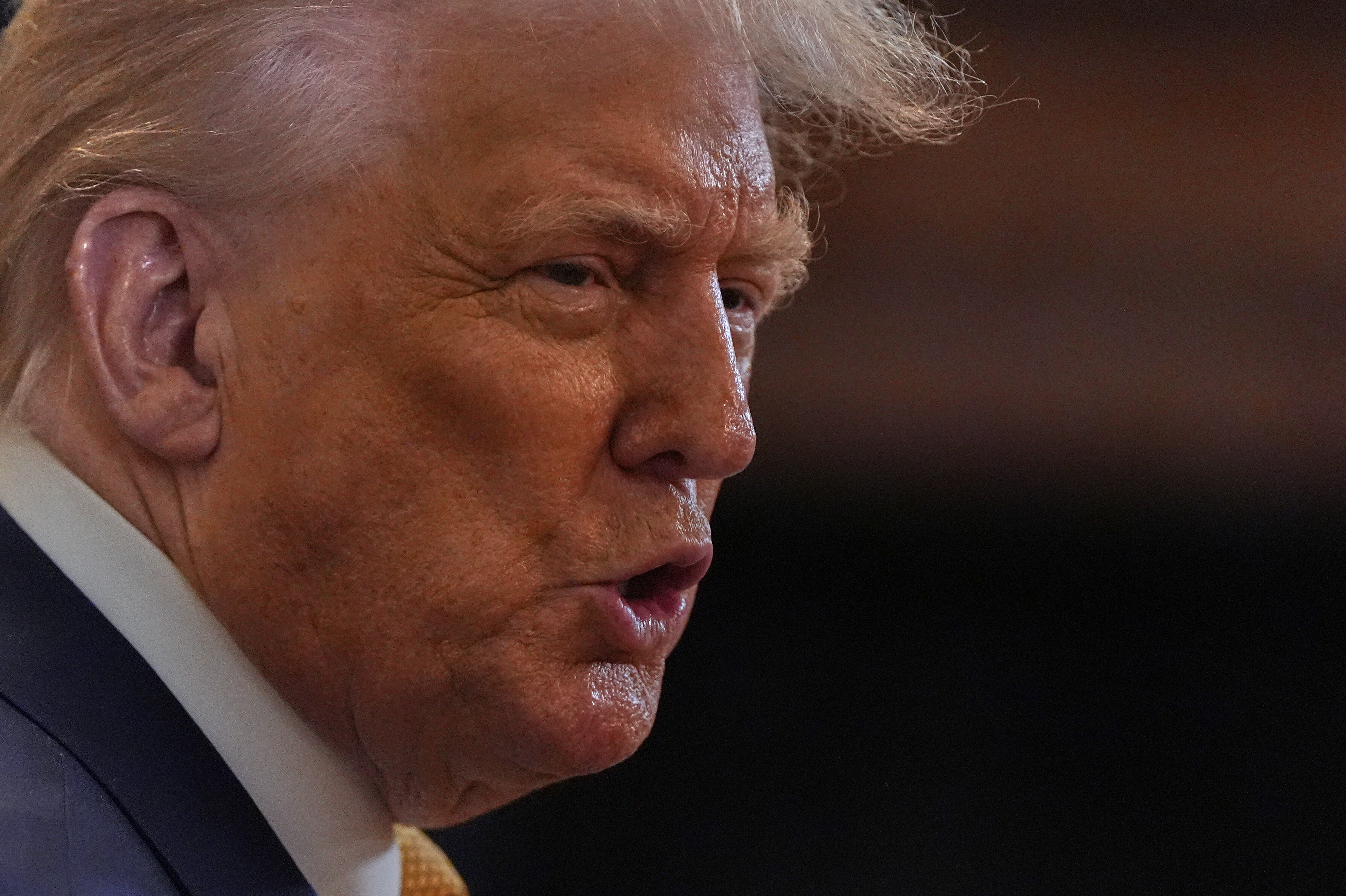
Columbia University Settles with Trump Administration for $221 Million
Columbia University has agreed to pay a total of $221 million to settle a long-standing legal dispute with the Trump administration. This settlement marks a significant development in the ongoing tensions between the administration and elite universities over admissions policies, student activism, and other campus-related issues.
The fine is seen as a major win for the Trump administration, which has been actively challenging institutions of higher learning on various fronts. In the case of Columbia, the administration alleged that the university did not do enough to address harassment against Jewish students on campus. The resolution allows Columbia to regain access to hundreds of millions in federal funding, though it comes at the cost of a substantial financial penalty.
Key Details of the Settlement
As part of the agreement, Columbia will pay $200 million over three years to the federal government and an additional $21 million to settle investigations brought by the U.S. Equal Employment Opportunity Commission. The university has also committed to following federal laws that prohibit the consideration of race in admissions processes and to taking steps to reduce antisemitism on campus.
The settlement was announced through a statement from the university, which emphasized that the agreement preserves its autonomy in faculty hiring, admissions, and academic decision-making. However, the deal has sparked controversy among some activists and free-speech advocates who believe Columbia caved to pressure from the Trump administration. In contrast, schools like Harvard have taken a more defiant stance against similar allegations.
Impact on Federal Funding
Columbia's decision to settle is expected to restore a "vast majority" of federal grants that were paused or terminated by the government in March. The university’s access to billions of dollars in current and future grants will be reinstated, allowing it to continue its research and academic programs without interruption.
This development comes amid heightened scrutiny of how universities handle student activism, particularly around sensitive political issues. The situation has been further complicated by the detention of Mahmoud Khalil, a green card holder and Columbia graduate student, who was detained by immigration officials in March for organizing pro-Palestinian protests on campus.
Khalil’s arrest led to widespread protests, with many accusing the Trump administration of retaliating against his First Amendment rights. While the administration initially claimed the detention was related to foreign policy interests, it later stated that Khalil had misrepresented information on his permanent residency application. Khalil has since filed a $20 million civil lawsuit against the administration, which the Department of Homeland Security has vowed to fight.
Reactions from Key Figures
President Donald Trump expressed satisfaction with the settlement on Truth Social, stating that Columbia had agreed to pay a $200 million penalty to the government for violating federal law. He also highlighted the university’s commitment to ending diversity, equity, and inclusion (DEI) policies and admitting students based solely on merit.
Claire Shipman, the acting president of Columbia, released a statement emphasizing that the agreement represents an important step forward after a period of intense federal scrutiny. She noted that the settlement was designed to protect the university’s values while restoring its partnership with the federal government. She also stressed the importance of maintaining academic independence, which she said is essential for scholarly exploration and public interest.
On the other side of the spectrum, left-wing activist Hasan Piker criticized the settlement on social media, suggesting that Columbia was yielding to Trump’s demands. He wrote that some institutions may have been seeking an excuse to comply with the administration’s pressures.
What Comes Next?
With the settlement finalized, Columbia will see its access to federal grants and funding restored. This is a critical move for the university, which relies heavily on federal support for its research and operations.
The resolution of this dispute highlights the complex relationship between higher education institutions and the federal government, especially in times of political tension. As more universities face similar challenges, the outcome of this case could serve as a precedent for future negotiations.

Post a Comment for "Columbia University ends legal fight with Trump administration: Key details"
Post a Comment