Clownfish and Anemones Vanish Amid Rising Heat Waves
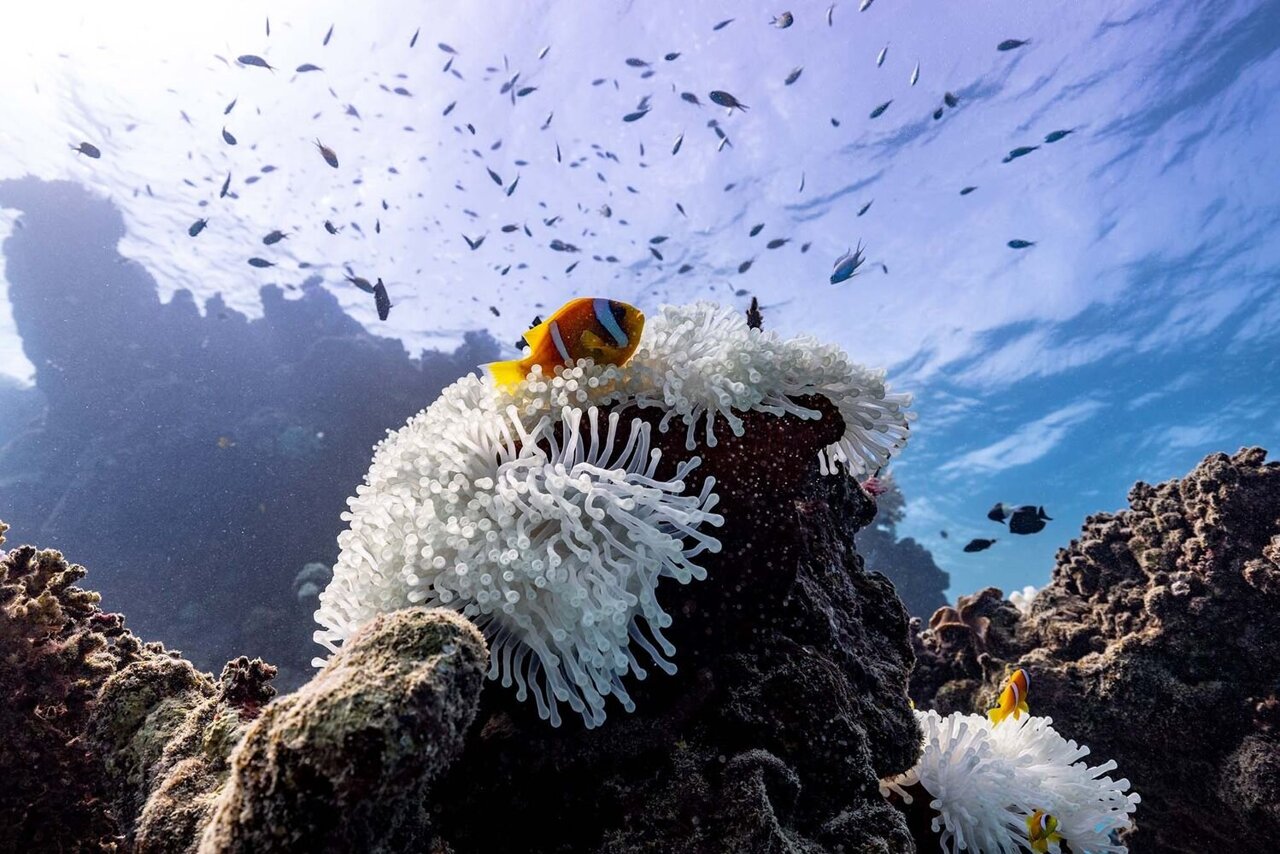
The Impact of Marine Heat Waves on the Red Sea’s Iconic Clownfish and Anemone Relationship
The Red Sea, surrounded by arid landscapes, is known for its warm waters, which often reach temperatures between 85 to 90 degrees Fahrenheit during the summer. However, in recent years, marine heat waves have pushed these already high temperatures even further, creating a challenging environment for the region's marine life. Among the most affected are clownfish and anemones, two species that have formed one of the most recognizable mutualistic relationships in the ocean.
A new study led by researchers from Boston University has revealed that extreme heat events have disrupted this delicate balance, leading to a significant population decline in the central Red Sea. The findings, published in the journal npj Biodiversity, highlight how prolonged heat stress can cause anemones to bleach, ultimately threatening both the anemones and the clownfish that depend on them.
The Symbiotic Relationship Between Clownfish and Anemones
Clownfish, also known as anemonefish, and sea anemones share a mutually beneficial relationship. The anemones provide shelter and protection to the clownfish, while the clownfish help keep the anemones clean and deter predators. This relationship is similar to the one between corals and microscopic algae called zooxanthellae. When water temperatures rise, anemones, like corals, expel their symbiotic algae, resulting in bleaching.
During a marine heat wave in 2023, researchers observed that anemones on three central Saudi Arabian reefs were bleached for approximately six months. As a result, the study estimates that 94 to 100% of clownfish died, and 66 to 94% of the anemones were lost. This marked a dramatic collapse of the mutualistic system that had previously shown resilience.
A Thermal Refuge Under Threat
For many years, scientists believed that the Red Sea could serve as a "thermal refuge" for marine species due to its naturally high temperatures. However, the recent findings suggest that even this ecosystem is not immune to the impacts of climate change. Morgan Bennett-Smith, a Ph.D. candidate at Boston University and lead author of the study, notes that the heat events have exceeded the tolerance levels of both anemones and clownfish.
Bennett-Smith has been studying anemones in the Red Sea for over a decade and has witnessed the gradual escalation of bleaching events. What was once a rare occurrence has now become a recurring threat, forcing researchers to shift their focus toward understanding the long-term consequences of these changes.
The Consequences of Bleaching on Clownfish
Anemone bleaching poses a severe threat to clownfish, whose survival depends on the protective tentacles of their host anemones. Under normal conditions, clownfish are camouflaged and shielded from predators by the anemone’s stinging cells. However, when the anemones bleach, they lose their vibrant color and become white, making the clownfish more visible to predators.
In addition to increased visibility, the study found that clownfish behavior changes after bleaching. Many of the fish become more aggressive, leading to conflicts within the group. Smaller fish may be forced out of the anemone, leaving them vulnerable to predation. Researchers also discovered that the anemones’ stinging cells become less effective when bleached, further reducing the protection they offer.
Expanding Research to Other Regions
The research team, led by Peter Buston, a professor at Boston University, is now investigating similar trends in other regions, including Papua New Guinea. Earlier this year, the team reported that clownfish populations in the area have shrunk in response to heat stress, indicating a broader pattern of adaptation or decline.
Buston emphasizes that the loss of clownfish and anemones has cascading effects on the entire reef ecosystem. Without these key species, the balance of the marine environment is disrupted, affecting other organisms that rely on them for food or habitat.
Calls for Conservation and Global Action
The researchers urge for further surveys in the Red Sea and around the world to assess the conservation status of these species. They hope that local experts can implement targeted efforts to protect vulnerable areas before irreversible damage occurs.
As climate change continues to reshape marine ecosystems, the findings from this study serve as a stark reminder of the fragility of even the most resilient species. With rising ocean temperatures, the future of clownfish and anemones—and the ecosystems they support—remains uncertain.

Post a Comment for "Clownfish and Anemones Vanish Amid Rising Heat Waves"
Post a Comment