Chicago Churches Call for Peaceful Resistance Before Federal Action
Urgent Calls for Preparedness in Chicago's Black Communities
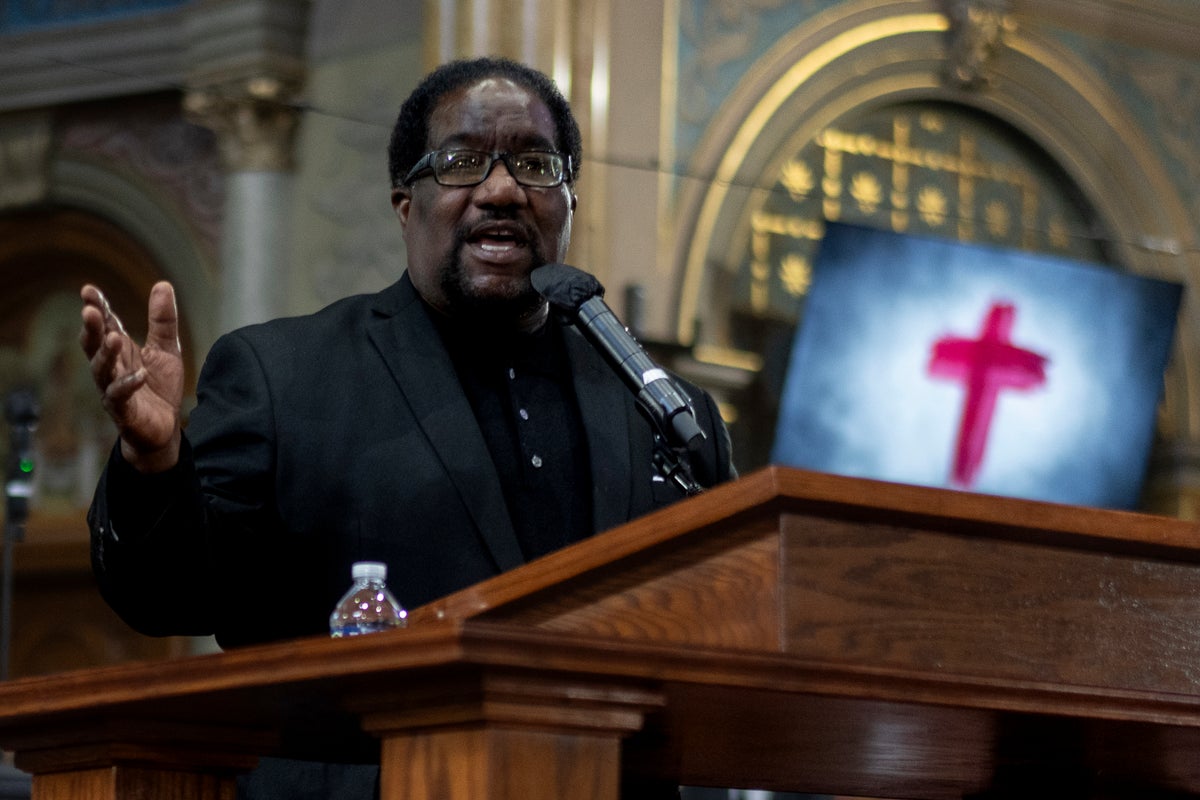
As the city of Chicago braces for potential federal intervention, religious leaders are urging their congregations to take proactive steps. The Rev. Marshall Hatch, a prominent figure at New Mount Pilgrim Missionary Baptist Church on the West Side, has emphasized the importance of carrying identification and staying connected with family members. During Sunday services, he delivered a strong message of resilience and resistance against what he described as threats from authoritarian forces.
“We’re not going to despair. We’re not going to feel threatened. We’re not going to give up and give in to fascism and authoritarianism,” Hatch said. His words resonated deeply with many attendees, who have long felt the weight of systemic challenges and the growing fears surrounding immigration enforcement.
Rising Tensions and Community Responses
The anticipated federal crackdown has sparked widespread concern, particularly among immigrant communities and those living in neighborhoods with historically low trust in law enforcement. As President Donald Trump continues to threaten action in Democratic strongholds, local leaders and residents are increasingly vocal about their opposition to these plans. They argue that such actions are unnecessary and could exacerbate existing tensions.
Among those expressing concerns is Lester Burks, a 74-year-old U.S. Army veteran. He voiced his apprehension about the presence of military personnel in the city, stating, “I don’t want soldiers here. They are trained to fight.” This sentiment reflects a broader unease among community members who fear that increased federal involvement could lead to further instability.
Sanctuary Cities and Legal Challenges
Chicago, known for its sanctuary policies, has been a target of the Trump administration’s efforts to expand immigration enforcement. These policies typically limit local cooperation with Immigration and Customs Enforcement (ICE). Despite the lack of an official definition, sanctuary cities aim to protect their residents from federal immigration actions by limiting local police involvement.
The Department of Homeland Security has outlined plans to use a military base north of the city and has alerted another suburb about the potential use of a federal immigration processing center for an operation that could last 45 days. Meanwhile, Trump has hinted at sending National Guard troops to other cities before focusing on Chicago.
A Call for Resources, Not Military Force
Rev. Hatch emphasized the need for resources rather than military intervention, highlighting the correlation between access to resources and reduced violence. His church has also been involved in initiatives aimed at addressing community issues, including the recent groundbreaking of an arts and activism center.
“We’re not calling for military, we’re calling for resources,” Hatch told congregants. “We know that there is a correlation between resources and violence.”
Preparing for the Unpredictable
Church leaders across the city are working to educate their communities about their rights during interactions with immigration agents. They encourage individuals to carry necessary documents and remain informed about their legal options. This effort is especially critical given the previous impact of similar operations, which led to decreased attendance at immigrant-heavy churches.
The feeling of being on edge is not new for many in Chicago, but the expected operation has cast a shadow over the city’s usual festivities, including Mexican Independence Day celebrations. Clergy members are preparing for similar scenarios in the coming weeks, acknowledging the unpredictable nature of the situation.
“It feels like anything can happen at any moment,” said the Rev. Paco Amador of New Life Community Church in the predominantly Mexican Little Village neighborhood. “It would be irresponsible not to talk about this.”
Conclusion
As Chicago navigates this uncertain period, the voices of community leaders and religious figures continue to play a crucial role in guiding their congregations. Their calls for preparedness, resilience, and resource allocation reflect a deep commitment to protecting their communities amid rising tensions and potential federal interventions.

Post a Comment for "Chicago Churches Call for Peaceful Resistance Before Federal Action"
Post a Comment