Chapel Hill Day Center Aims to Offer Essential Services by 2027
A New Hope for Homelessness in Orange County
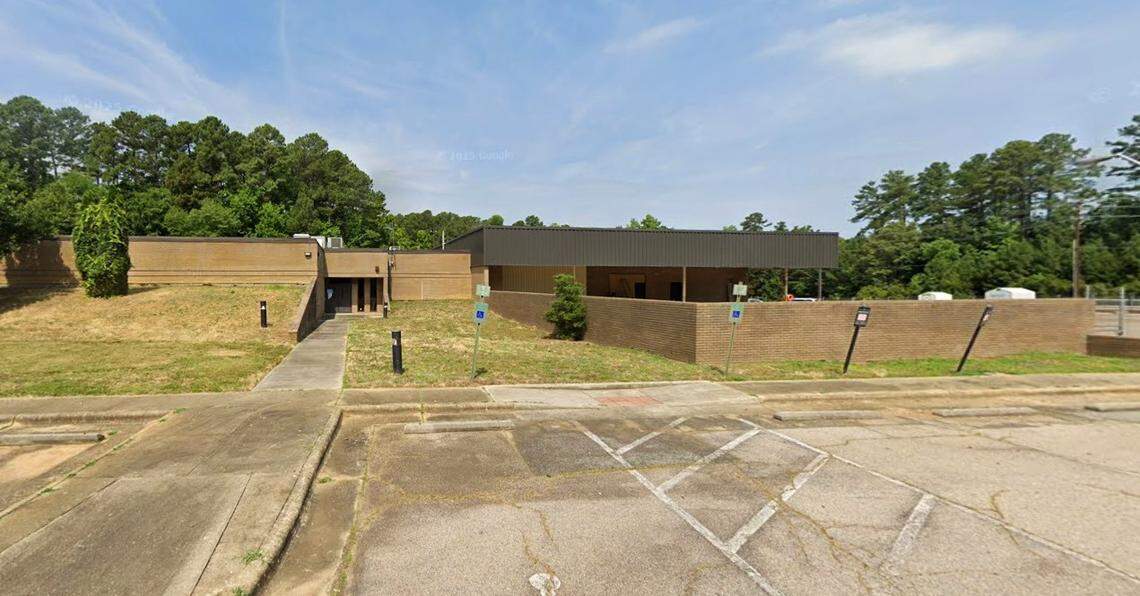
Orange County is taking a significant step toward addressing homelessness and public safety concerns by securing a long-term lease for a former Duke Energy building in Chapel Hill. This initiative aims to provide a centralized location where individuals experiencing homelessness can access essential services such as hot showers, meals, and resources to help them regain stability.
The 10-year lease for the building at 2700 Homestead Road was approved by the Orange County commissioners. While the structure requires renovations, it is expected to open by July 2027. The project has sparked discussions about its potential impact on both local and surrounding communities, with some concerns about increased demand on existing services.
Addressing Concerns and Building Support
Commissioner Earl McKee raised questions about whether the center could attract people from neighboring areas, potentially straining local resources. However, Commissioner Sally Greene expressed strong support for the plan, emphasizing that it represents an investment in a long-standing need. She highlighted the efficiency of consolidating services into one location, which would allow for better coordination and more effective support for those in need.
UNC-Chapel Hill purchased the nearly 24,000-square-foot building in 2008, primarily using it for storage and police operations. The space includes two large rooms and several offices, and it is adjacent to the SECU Community House, a 24-hour men's shelter, and IFC HomeStart, a separate shelter for women and families. The new day center will serve anyone, regardless of their housing status or other limitations.
Enhancing Services and Accessibility
Currently, individuals living outdoors in Chapel Hill and Carrboro often gather in public spaces such as coffee shops, libraries, and transit buses for temporary relief. An integrated day center would offer a climate-controlled environment where they can attend to personal needs and connect with medical, behavioral, and housing programs. Mobile clinics could also provide pop-up events for dental and veterinary care.
This approach aligns with best practices for coordinating services for the unsheltered, according to Deputy County Manager Caitlin Fenhagen. Northern Orange County residents will still have access to the Department of Social Services in Hillsborough.
Challenges and Financial Considerations
The building requires several key upgrades, including a new roof, heating and ventilation system, and a fire alarm system. Renovations are estimated to cost over $1.3 million, which cannot be covered through debt since the county does not own the property. The county plans to hire a consultant to assess costs and ensure compliance with state construction standards.
Advocates like Alyssa Hinton of the Activate! IFC project warn that current trends in U.S. homelessness policies are shifting toward punitive measures rather than support. A recent state bill aims to criminalize sleeping on public property, raising concerns about the impact on vulnerable populations.
Increasing Demand for Shelter
Last winter, approximately 37 people per night sought shelter during freezing temperatures, totaling 1,861 stays over 50 nights. At least two individuals have died without access to warm shelter in recent years. County spokesman Wil Glenn noted an increase in the number of elderly individuals, families with children, and people with mental health issues who are unable to access residential treatment.
With the University Baptist Church shelter no longer available, planning continues for a Crisis Diversion Facility near UNC Hospitals in Hillsborough. This facility will serve as a 24/7 resource for community services, offering urgent care for behavioral health, short-term detox programs, and medical support. The site was recently purchased for $1.35 million, with design and construction consultants already hired.
Looking Ahead
As the county moves forward with these initiatives, the goal remains to create a more compassionate and effective response to homelessness. By providing accessible, centralized services, Orange County hopes to improve the lives of those in need while addressing broader concerns about public safety and community well-being.

Post a Comment for "Chapel Hill Day Center Aims to Offer Essential Services by 2027"
Post a Comment