Can TSA Check Your Laptop or Phone?
Understanding TSA and Customs Inspections for Laptops and Phones
In today’s world, smartphones have become an essential part of our daily lives. When traveling by air for business or leisure, laptops are often just as important. However, the rules set by the Transportation Security Administration (TSA) can be confusing, especially when it comes to what you can bring and how your devices will be inspected. For instance, while the TSA allows you to carry AirTag devices, other battery-powered trackers may not be permitted. This can raise concerns about the security of personal and sensitive information stored on your electronic devices.
The TSA was established in response to the terrorist attacks of September 11, 2001, with the primary goal of ensuring the safety of air travel. One notable incident that influenced their policies occurred in February 2016 in Somalia, where a bombing attempt was made using a laptop containing an explosive device. Although this event is not directly linked to the TSA, it served as a critical lesson for airport security measures worldwide.
TSA Inspection Process
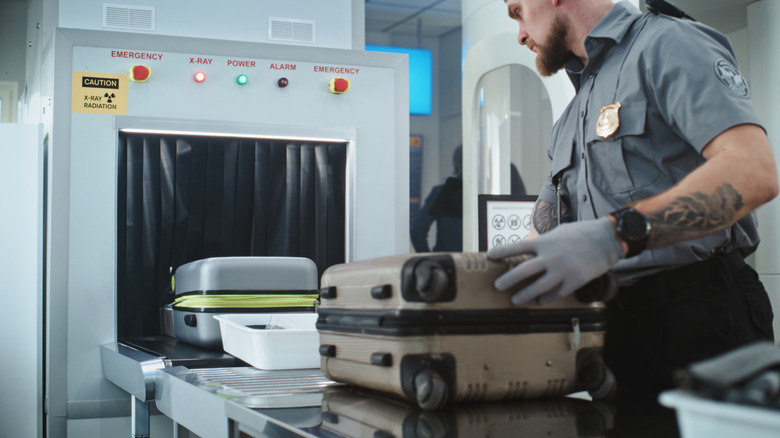
When it comes to inspecting laptops and phones, the TSA follows specific procedures. You are allowed to bring your smartphone in either your carry-on or checked bag. Similarly, you can bring your laptop, but it must undergo an additional inspection. According to TSA guidelines, "You will be asked to remove personal electronic devices larger than a cell phone from your carry-on bag and place them into a bin with nothing placed on or under them for X-ray screening." This means your laptop must go through a separate X-ray scan, unlike your phone.
TSA officers may ask you to turn on your laptop or phone to verify that they are functioning properly and not concealing any prohibited items. It's important to ensure that your devices are charged so they can power on when needed. While the TSA emphasizes that they do not read or copy information from your devices, they reserve the right to deny passage if they have any suspicions about the items you are carrying.
This process offers a level of data privacy protection, even though there have been past issues, such as the controversy surrounding luggage lock keys. The TSA cannot access your device's personal data or conduct a search themselves. However, customs inspections can be more invasive.
Customs Inspections
If you're traveling internationally and returning to the United States, you may encounter the U.S. Customs and Border Protection (CBP). Unlike the TSA, the CBP has more authority to conduct detailed searches of your electronic devices. This applies to all travelers, including U.S. citizens, who are not exempt from these checks.
CBP can perform a basic manual check of your devices or an advanced search, which involves analyzing the contents and potentially copying data. These searches are only conducted if there is a reasonable suspicion of illegal activities. CBP guidelines state that these measures are aimed at identifying threats such as terrorist activity, child pornography, drug smuggling, human trafficking, and other violations.
According to CBP reports, less than 1% of travelers' electronic devices were searched in Fiscal Year 2024, with 90% of those being basic searches. The CBP assures that any data collected is kept private and shared only for investigative purposes. While there have been concerns about data security in the airline industry, such as Delta's AI initiatives, the TSA and CBP have maintained strict protocols to protect traveler information.
Conclusion
Navigating airport security can be a stressful experience, but understanding the procedures of the TSA and CBP can help ease some of the anxiety. While the TSA focuses on safety without intruding on personal data, the CBP has broader powers during customs inspections. By following the guidelines and being prepared, travelers can ensure a smoother and more secure journey.

Post a Comment for "Can TSA Check Your Laptop or Phone?"
Post a Comment