Bowser: National Guard Failed to Reduce D.C. Crime
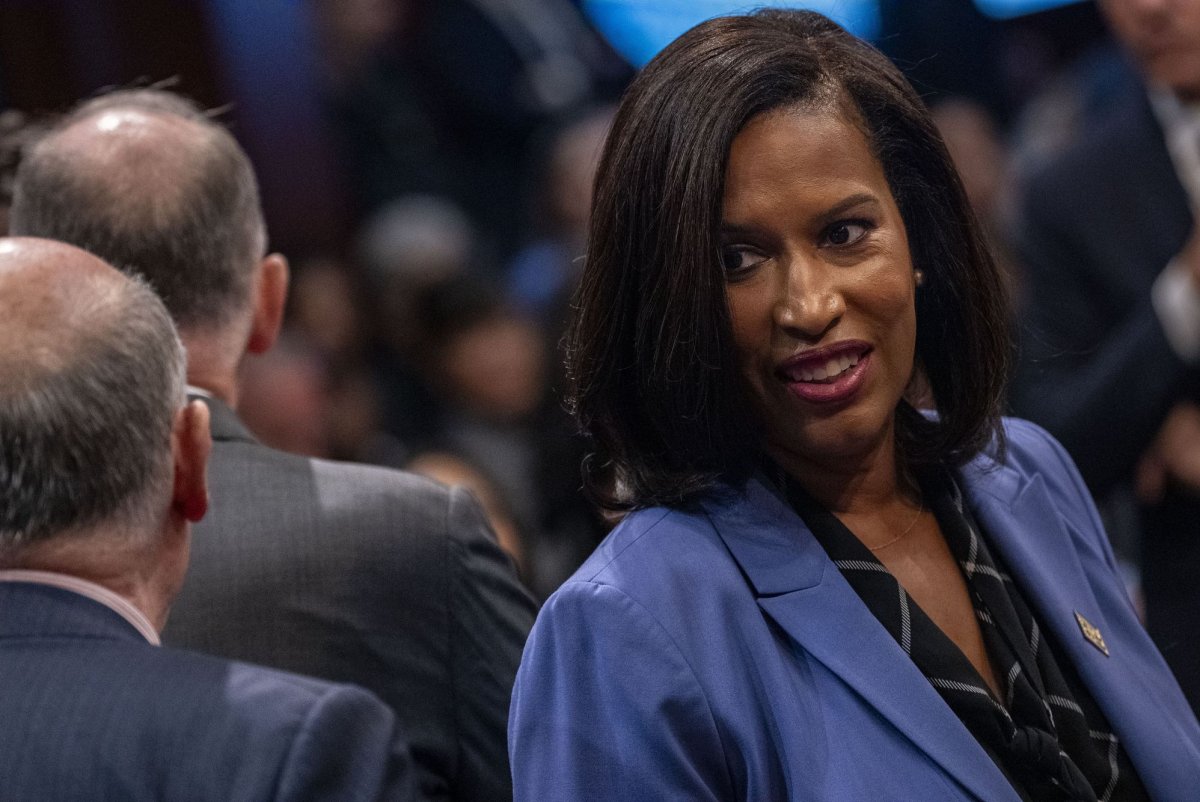
Washington, D.C. Mayor Criticizes Federal Law Enforcement Approach
Mayor Muriel Bowser of Washington, D.C., has expressed concerns about the federal government’s involvement in local law enforcement, particularly during President Donald Trump’s recent actions in the district. She emphasized that while the presence of federal agencies like the Drug Enforcement Administration and the FBI has contributed to reducing crime, the deployment of the National Guard did not yield similar results.
Bowser, a Democrat, addressed members of the House Oversight and Government Reform Committee, stating that the increase in law enforcement support from federal agencies has been more effective than the National Guard’s involvement. She noted that the National Guard is not primarily a law enforcement entity and thus should not be relied upon for such tasks. This perspective came amid criticism from some lawmakers who suggested that the National Guard should have been called in earlier to address rising crime rates.
Despite the claims of increased crime, data from the Metropolitan Police Department indicates that crime rates are at their lowest in 30 years. Bowser highlighted this fact, reinforcing her stance that federal intervention was not necessary for the current decline in criminal activity.
Federal Intervention and Local Autonomy
In August, President Trump declared a crime emergency in the district and took over law enforcement operations. This included sending federal agents and National Guard troops to patrol the streets of Washington, D.C., with the aim of preventing crime. However, Bowser and other local leaders have raised concerns about the lack of autonomy the city has in managing its own affairs.
“We have all the responsibilities of citizenship but not the most important benefits: representation and full autonomy,” Bowser stated. She called for stronger federal partnerships to provide additional funding for hiring more police officers, supporting the homeless population, and investing in beautification and safety initiatives in the district.
Phil Mendelson, chair of the D.C. Council, echoed these sentiments, emphasizing the need for more support from the federal government. He urged Congress to better equip federal agencies responsible for supervising defendants on probation or pretrial release, fund more federal prosecutors, and increase police hiring bonuses in the district.
Tensions Between Local and Federal Authorities
D.C. Attorney General Brian Schwalb also spoke about the importance of collaboration between local and federal law enforcement. However, he criticized Trump’s actions, arguing that they could undermine trust between communities and the police. “They threaten to destroy critical trust between local communities and the police—trust which is essential to effective, efficient policing and prosecution,” he said.
Republicans, on the other hand, praised the drop in crime during Trump’s crackdown and pushed D.C. officials to express their support for the actions taken. House Oversight Chairman James Comer described the federal intervention as a “resounding success” and stressed the need to maintain the progress made.
Comer claimed that radical left-wing policies in the district had led to an environment conducive to truancy and violent crime. He emphasized the committee’s duty to ensure that D.C. remains a safe and prosperous city for all Americans.
Legislative Efforts and Ongoing Conflicts
This week, the House passed four bills aimed at overhauling the criminal justice system in D.C. and changing how juvenile cases are handled. These measures reflect ongoing efforts to address systemic issues within the district’s legal framework.
Bowser has adopted a more conciliatory approach to working with the federal government, seeking to build a partnership that respects the will of D.C. residents and upholds the principles of home rule. However, critics argue that this softer approach has not been effective and has left the city vulnerable to federal influence.
In recent months, Schwalb has filed two lawsuits against the Trump administration, challenging the unlawful deployment of the National Guard and defending D.C.’s home rule. In a social media post, he stated that the nation was founded on the principles of freedom and self-governance, which are being threatened by these actions.
The House committee recently voted to transform Schwalb’s office, which is elected, into a presidential appointment. In response, Schwalb sent a letter to the committee’s leaders, calling the move undemocratic and un-American. He argued that substituting the will of D.C. voters with the preferences of federal politicians undermines the democratic process.
Mendelson pointed out to the committee that much of the city’s criminal justice system is controlled by the federal government. He highlighted the need for Congress to address issues such as vacant judgeships and the shortage of prosecutors, which directly impact public safety and crime reduction in the district.

Post a Comment for "Bowser: National Guard Failed to Reduce D.C. Crime"
Post a Comment