Blue States Secure Victory Against Trump's Citizenship Rules
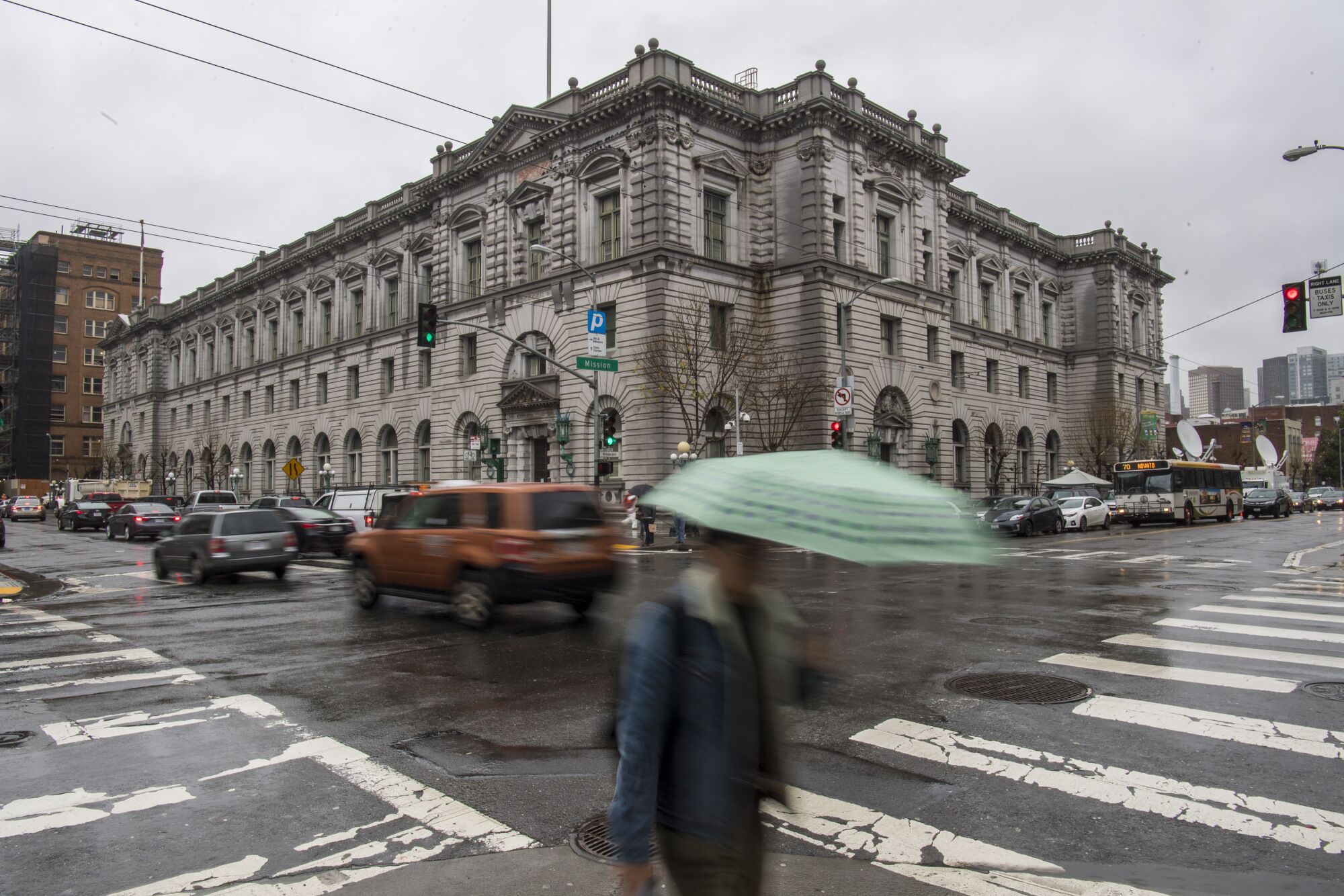
Federal Appeals Court Rules Against Trump’s Birthright Citizenship Limits
A federal appeals court in San Francisco has ruled that President Donald Trump’s restrictions on birthright citizenship are unconstitutional and must be blocked during ongoing litigation. This decision marks another significant setback for the administration’s broader efforts to tighten immigration policies.
The ruling by the 9th U.S. Circuit Court of Appeals upholds an earlier decision made by a judge in Seattle, who had previously blocked Trump’s executive order nationwide. The case was brought by a group of Democratic state officials from Washington, Arizona, Illinois, and Oregon. These states argued that the executive order violated constitutional principles and threatened the rights of children born in the United States to parents who are in the country unlawfully or temporarily.
Since January, multiple lawsuits have challenged Trump’s initiative to end automatic citizenship for these children. Although the issue reached the Supreme Court earlier this year, the justices did not rule on whether the executive order is constitutional. Instead, they set new limits on the use of broad injunctions, which are legal orders that block government actions.
“The district court correctly concluded that the executive order’s proposed interpretation, denying citizenship to many persons born in the United States, is unconstitutional,” the majority of the panel stated in its decision. This ruling reflects a growing trend among judges to find that broad injunctions are necessary to protect plaintiffs challenging the policy in court.
Despite the Supreme Court’s recent restrictions on nationwide injunctions, judges continue to issue such orders in cases involving Trump’s birthright citizenship rule. Earlier this month, a New Hampshire judge issued a fresh injunction in a class-action lawsuit filed on behalf of all affected babies.
The White House has not yet responded to requests for comment on the latest ruling. However, Illinois Attorney General Kwame Raoul, who identifies as a birthright citizen, praised the courts in San Francisco and Seattle for their decisions. “The district court could not have been more right in February when it deemed the president’s order as being blatantly unconstitutional,” Raoul said in a statement. He also expressed appreciation for the 9th Circuit’s decision.
Trump’s executive order was initially put on hold months ago in three separate cases. However, the Supreme Court paused those rulings in June after determining that judges generally cannot issue nationwide injunctions that block federal policies outright. The court returned the cases to lower courts to assess whether the injunctions needed to be narrowed or amended to provide relief only to the people or groups that sued.
While the Supreme Court’s decision was seen as a major victory for the Trump administration, it has not stopped judges from finding that broad injunctions against the birthright citizenship order are still necessary to protect U.S.-born children of migrants.
Wednesday’s ruling represents a significant win for the four states that sued the administration in Seattle in January. The appellate panel endorsed an alternative path for a nationwide order, finding that it was the only way to give the states total relief. This possibility was left open by Justice Amy Coney Barrett in her majority opinion, even as she and the rest of the conservative wing curbed lower courts’ power to issue universal injunctions.
The Trump administration had appealed the Seattle ruling to the 9th Circuit, arguing that the states do not have legal standing to challenge the executive order. However, the appeals court found that the states do have standing because they have shown that the change in eligibility for citizenship would require them to modify their methods of determining eligibility for federal programs.
The panel that issued Wednesday’s ruling included two judges appointed by former President Bill Clinton and one by Trump. Among them, Circuit Judge Patrick Bumatay, the Trump appointee, issued a partial dissent. He agreed with the administration that the states do not have standing to challenge the president’s executive order.
Bumatay’s dissent raises the question of whether states have valid legal grounds to sue for another appeal to the Supreme Court. The high court has not yet weighed in on this issue in its previous decision.
A federal judge in Massachusetts is expected to rule soon in a parallel lawsuit brought by a larger group of Democratic states. The 9th Circuit rejected the administration’s arguments that it would face irreparable injury from a delay in limiting birthright citizenship. The judges stated that a preliminary injunction does not prevent the executive branch from addressing unlawful immigration and does not infringe on its power to ensure that laws are faithfully executed.
Trump’s order, part of a broader crackdown on immigration, would restrict citizenship to babies with at least one parent who is a U.S. citizen or green card holder. Critics argue that this violates a provision of the Constitution that grants citizenship to virtually every baby born in the U.S. The government claims the directive closes a “perverse” loophole that encourages illegal immigration.

Post a Comment for "Blue States Secure Victory Against Trump's Citizenship Rules"
Post a Comment