Bill to offer safe parking for homeless community college students faces uncertainty
Challenges Facing Homeless Students in California Community Colleges
A proposed state bill aimed at providing overnight parking programs for homeless students attending California community colleges is facing a difficult path to passage. Assembly Bill 90, introduced by Assemblymember Corey A. Jackson (D-Perris), was held "under submission" by the Senate Appropriations Committee last month, effectively halting its progress during the current legislative session.
The bill seeks to address the growing issue of homelessness among students, particularly those who live in their vehicles or recreational vehicles due to the exorbitant cost of housing in California. With over 2 million students enrolled in the state's 73 community college districts, the need for support has become increasingly urgent.
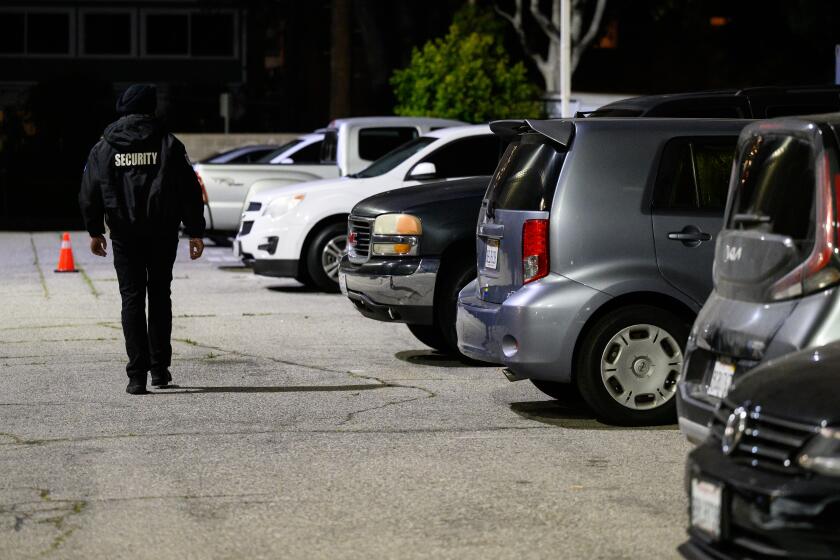
Jackson emphasized that the "harsh reality" of homelessness significantly impacts students' ability to focus on their education. He described the proposed safe parking program as a "last resort" when other forms of shelter are unavailable. The initiative aims to provide secure parking areas, along with access to bathrooms and showers, offering students a temporary solution to their housing challenges.
According to a 2023 survey funded by the California Community Colleges, 1 in 4 students reported experiencing homelessness, a significant increase from 19% in 2019. Of these, 9% identified as homeless, while 15% experienced conditions associated with homelessness, such as staying temporarily with friends or family.
Despite the clear need, critics have raised concerns about the cost and feasibility of implementing such programs. Estimates suggest that each community college district could face expenses ranging from $550,000 to $700,000, potentially totaling between $40 million and $50 million statewide if all districts adopted the program.
The Los Angeles Community College District has been one of the most vocal opponents of AB 90. Steve Veres, a member of the district’s Board of Trustees, stated that the district prefers to connect students with housing providers rather than offer safe parking. “We’re not going to just let them park in a parking lot; we are going to give them a room,” Veres said, highlighting the district’s commitment to emergency housing for students in need.
The district allocates $700,000 to $1 million annually for homelessness-related services, though this funding is not always fully utilized. Approximately 300-400 students have accessed these programs in recent years. In addition to immediate housing solutions, the district is also focused on long-term housing development.
While some community colleges have already implemented safe parking programs, others remain hesitant. For example, Long Beach City College launched a pilot program in 2021, offering secure vehicle parking, internet access, showers, and referrals for long-term housing assistance. This model has shown promise as a temporary solution for students in need.
Across the state, cities and counties have turned to safe parking programs to address the rising number of homeless individuals. Santa Barbara, an early adopter, initiated its safe parking program decades ago to help connect homeless people with services and housing. Safe Parking LA, which began in 2017, has facilitated safe parking for over 2,500 vehicles, according to its website.
As the debate continues, the need for comprehensive solutions to support homeless students remains pressing. While safe parking programs may serve as a temporary measure, advocates argue that more sustainable housing options must be developed to ensure that all students can pursue their education without the burden of homelessness.

Post a Comment for "Bill to offer safe parking for homeless community college students faces uncertainty"
Post a Comment