Asia Cup 2025: Power, Pride, and Emerging Rivalries
The Evolution of the Asia Cup
The Asian Cricket Council (ACC) has faced its share of criticism over the years. From grouping teams like Afghanistan, Sri Lanka, and Bangladesh in a challenging group to missing out on capitalizing on cricket's growing popularity in Nepal, there are several areas where the ACC could improve. However, one aspect they have consistently excelled at is adapting their flagship competition to fit the demands of the cricket calendar.
This year, the Asia Cup returns in 2025 as a T20 tournament, marking a shift from its previous 50-over format. This change aims to serve as an ideal lead-in to the upcoming World Cup in India and Sri Lanka. While the timing of September in the UAE can be harsh, the ACC doesn’t have full control over this decision. India, the official host, has once again turned to the UAE as a backup option, similar to how they handled the IPL and T20 World Cup during the pandemic.
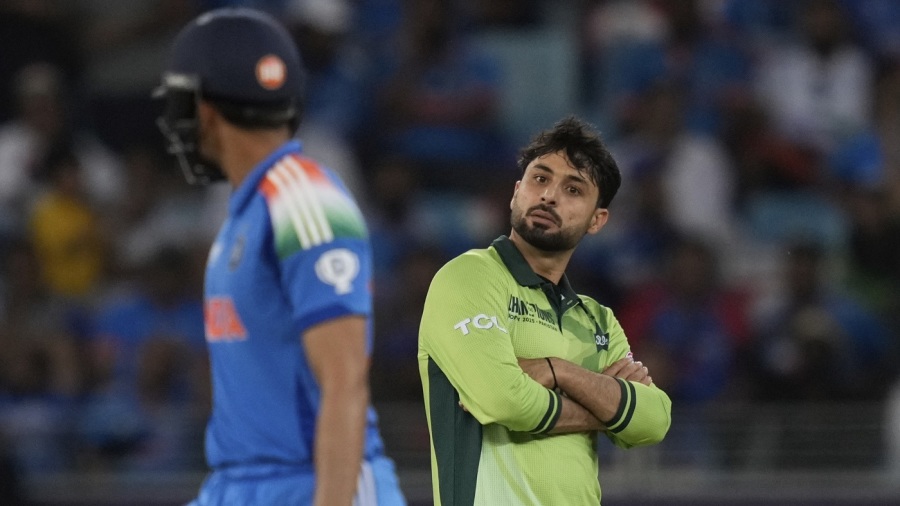
Despite ongoing geopolitical tensions, one match that everyone is eagerly anticipating is the India vs Pakistan clash. This contest remains the centerpiece of the tournament, and historically, the players have shown more intensity than animosity. Examples include Shaheen Shah Afridi presenting Jasprit Bumrah with a gift for his newborn son or Babar Azam publicly supporting Virat Kohli during his slump. Yet, in today’s social media-driven world, where jingoism and toxicity often dominate, it remains to be seen if players will feel comfortable sharing moments of camaraderie.
During a recent training session at the ICC Academy in Dubai, both teams trained side by side but remained in their respective halves, with minimal interaction. Whether this was due to scheduling or something else remains unclear, but fans will soon find out.
A Commercial and Cultural Powerhouse
The ACC has always been mindful of the commercial and cultural significance of these matches. The possibility of the two teams facing each other at least twice, and possibly three times, is exciting. Amid occasional calls for boycotts, the broader picture—such as India's ambitions to host the 2030 Commonwealth Games and pursue the Olympics in 2036—makes these clashes difficult to avoid.
Fan enthusiasm remains undiminished, with tickets for the key matches on September 14 and 21 selling out quickly. Even at steep prices starting at 1400 AED, demand has not wavered. Corporate boxes are fully booked, with some believed to be occupied by those who previously protested against the matches. It seems everyone is eager to partake in what many consider a golden opportunity.
A New Generation of Players
While the hype around the tournament is high, the personnel on the field have changed significantly. Pakistan is now led by a young team under Salman Agha, without stars like Babar or Rizwan. India, on the other hand, is regrouping after their T20I series against England and is focused on preparing for their World Cup defense.
Afghanistan, however, is a different story. With players like Rashid Khan, Mohammed Nabi, and Rahmanullah Gurbaz based in the UAE, they are now genuine contenders. Their spin-heavy attack is well-suited for the conditions, and their confidence is high following recent successes in the tri-series.
Sri Lanka, the defending T20 champions, has undergone significant changes since their 2022 victory. Their current squad lacks the depth of the team that won under Dasun Shanaka, and their recent performance against Zimbabwe highlights the challenges of transitioning to a new era.
Bangladesh, too, is navigating life without their star players. With no Shakib Al Hasan or Mushfiqur Rahim, they are rebuilding with a younger, power-hitting approach. This tournament presents both a challenge and an opportunity for them.
The Role of Associate Teams
Outside the Test nations, the associate teams bring their own stories. Oman is working to recover from a financial crisis that nearly derailed their progress, even bringing back veterans to compete. Hong Kong, meanwhile, is struggling with preparation, having relied on a crash course in Dubai under new coach Kaushal Silva.
The UAE, on the other hand, is aiming for more than just participation. With increased investment and exposure through the ILT20, they are focusing on developing local talent. Captain Muhammad Waseem leads the charge, alongside emerging stars like Alishan Sharafu, who is mentored by Andre Russell and already making an impact.
Excitement and Uncertainty
With rich subplots and high stakes, the Asia Cup promises to deliver thrilling cricket. Can Afghanistan turn their potential into success? Will Pakistan find their rhythm in a chaotic setup? Will India experiment or stick to their first-choice XI? And can the associate teams make a meaningful impact on the bigger teams?
The pitches may be slow, and the crowds partisan, but when it comes to box office cricket, nothing beats the India vs Pakistan rivalry, or even the Pakistan vs Afghanistan matchup. The tournament will undoubtedly provide the perfect stage for all these questions to be answered.

Post a Comment for "Asia Cup 2025: Power, Pride, and Emerging Rivalries"
Post a Comment