America Craves Cocaine—Mexico's New Drug King Thrives
The Rise of Nemesio “Mencho” Oseguera and the New Era of Drug Trafficking in Mexico
Nemesio “Mencho” Oseguera, a 59-year-old drug lord, has emerged as the dominant figure in Mexico’s drug trade, controlling the Jalisco New Generation Cartel. His rise is fueled by America’s renewed interest in cocaine and the Trump administration’s intensified focus on fentanyl. Oseguera has spent decades building his organization into a powerful transnational criminal empire, displacing the Sinaloa cartel, which was weakened by internal conflicts and U.S. pressure.
The Sinaloa cartel, once the largest drug trafficking group in the world, became a target of the Trump administration’s efforts to combat fentanyl. This crackdown created an opportunity for the Jalisco cartel to expand its operations, particularly in the lucrative cocaine market. According to Derek Maltz, former interim chief of the Drug Enforcement Administration, Oseguera is now the most powerful drug trafficker globally, with a growing influence on cocaine distribution in the United States.
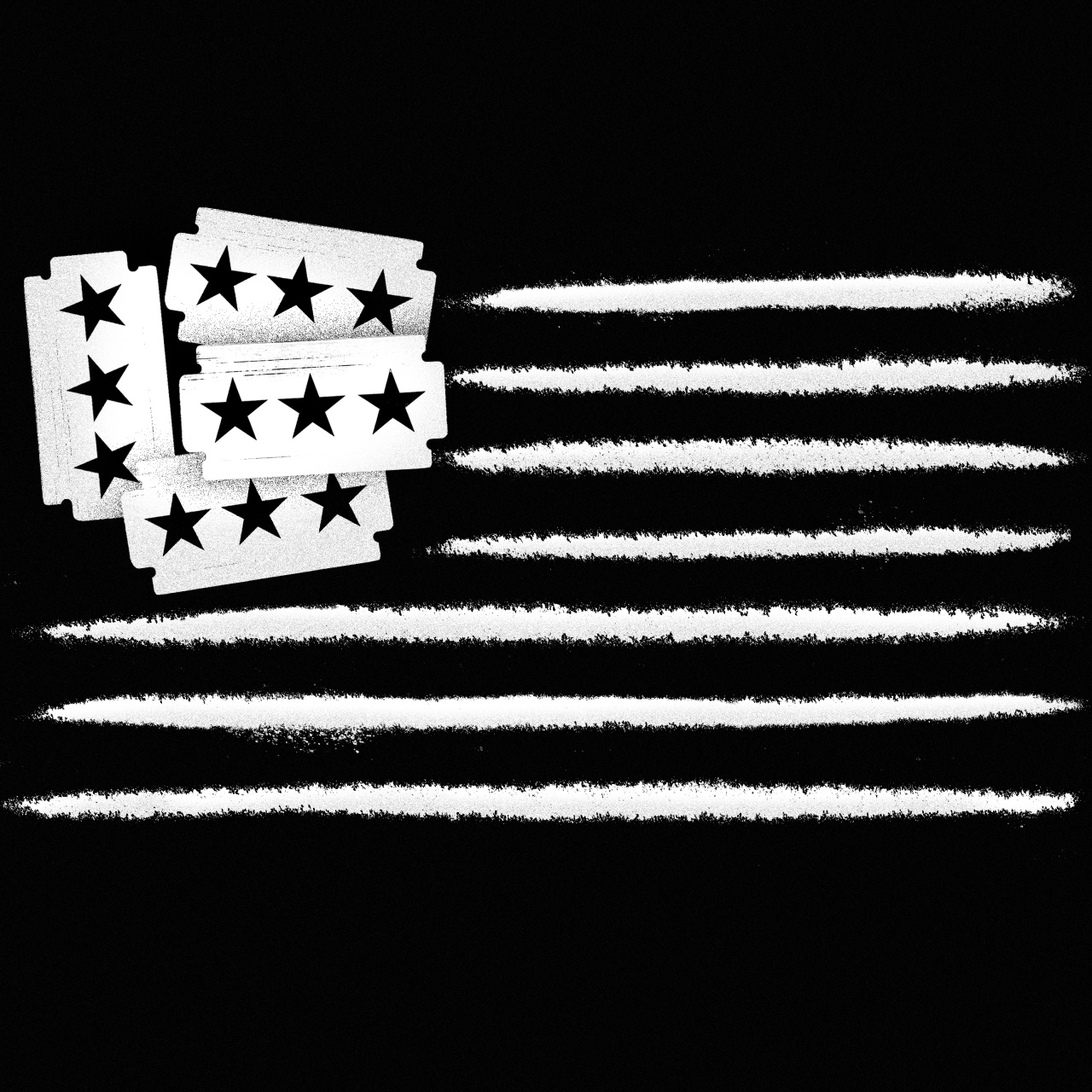
Cocaine consumption in the U.S. has surged, with usage increasing by 154% in the western states since 2019 and 19% in the eastern part of the country during the same period. Unlike fentanyl, which carries a deadly stigma, cocaine is often seen as a more socially acceptable drug, especially among middle-class users. This shift has allowed Oseguera to capitalize on the market, expanding his reach through sophisticated smuggling routes.
Oseguera’s cartel transports cocaine from Colombia to Ecuador and then north to Mexico’s Pacific coast using speedboats and narco subs. Recent U.S. military actions have targeted these vessels, with two being destroyed this year. These operations have resulted in fatalities, highlighting the dangerous nature of the drug trade.
Despite the U.S. offering a $15 million bounty for his capture, Oseguera rarely leaves his heavily fortified mountain compound. His security force, known as the Special Force of the High Command, is equipped with advanced weaponry, including RPG 7 rocket launchers capable of penetrating tanks. Visitors to his stronghold are hooded and transported through mine-infested terrain, with only the inner circle aware of the explosive locations.
Oseguera’s success came after the U.S. pressured Mexico to weaken the Sinaloa cartel, where he began his criminal career. The Sinaloans were pioneers in fentanyl production, which led to a surge in drug-related deaths in the U.S. However, the arrest of Sinaloa leader Joaquín “El Chapo” Guzmán in 2016 triggered a power vacuum that allowed Oseguera to gain strength.
The Sinaloa cartel’s internal conflicts, including a violent split between factions loyal to El Chapo’s sons and those aligned with co-founder Ismael “El Mayo” Zambada, further weakened their position. This infighting led to thousands of deaths and forced the Mexican government to deploy thousands of troops to Sinaloa.
In a surprising move, the Chapitos, the Sinaloa faction led by El Chapo’s sons, sought help from Oseguera, their former enemy. The two groups reached a landmark agreement, with Oseguera supplying weapons and resources in exchange for access to Sinaloa’s smuggling tunnels. This partnership has allowed the Jalisco cartel to dominate the cocaine and methamphetamine markets while the Sinaloans focus on fentanyl.
The U.S. has also contributed to Oseguera’s rise by diverting law enforcement resources to immigration enforcement. In Arizona, some border checkpoints have been left unstaffed, allowing increased drug trafficking. Meanwhile, Colombia is producing record amounts of cocaine, driving down prices and making it more accessible to consumers.
Beyond narcotics, the Jalisco cartel generates revenue through various illicit activities. It functions as a parallel government in parts of Mexico, taxing goods like tortillas, cigarettes, and beer. The cartel also controls a black market for fuel, stealing millions of gallons from Mexican refineries and pipelines. Additionally, it profits from migrant trafficking and operates call centers to defraud elderly Americans through timeshare scams.
Oseguera is viewed as a patriarchal figure in some communities, organizing festivals and providing aid to residents under his control. However, his criminal empire is built on violence and fear. His brother, Antonio, known as Tony Montana, was involved in acquiring heavy weapons before being deported to the U.S. in 2022. Oseguera’s son was recently sentenced to life in prison for drug trafficking.
Despite his power, Oseguera remains a high-profile target. A senior Trump administration official noted that his position is extremely dangerous, as both U.S. and Mexican authorities continue to pursue him. The ongoing conflict between cartels and law enforcement shows no signs of abating, ensuring that Oseguera’s reign will remain a central issue in the fight against organized crime.

Post a Comment for "America Craves Cocaine—Mexico's New Drug King Thrives"
Post a Comment