Alina Habba Vows to Stay N.J. Prosecutor: "I Don't Cower to Pressure"
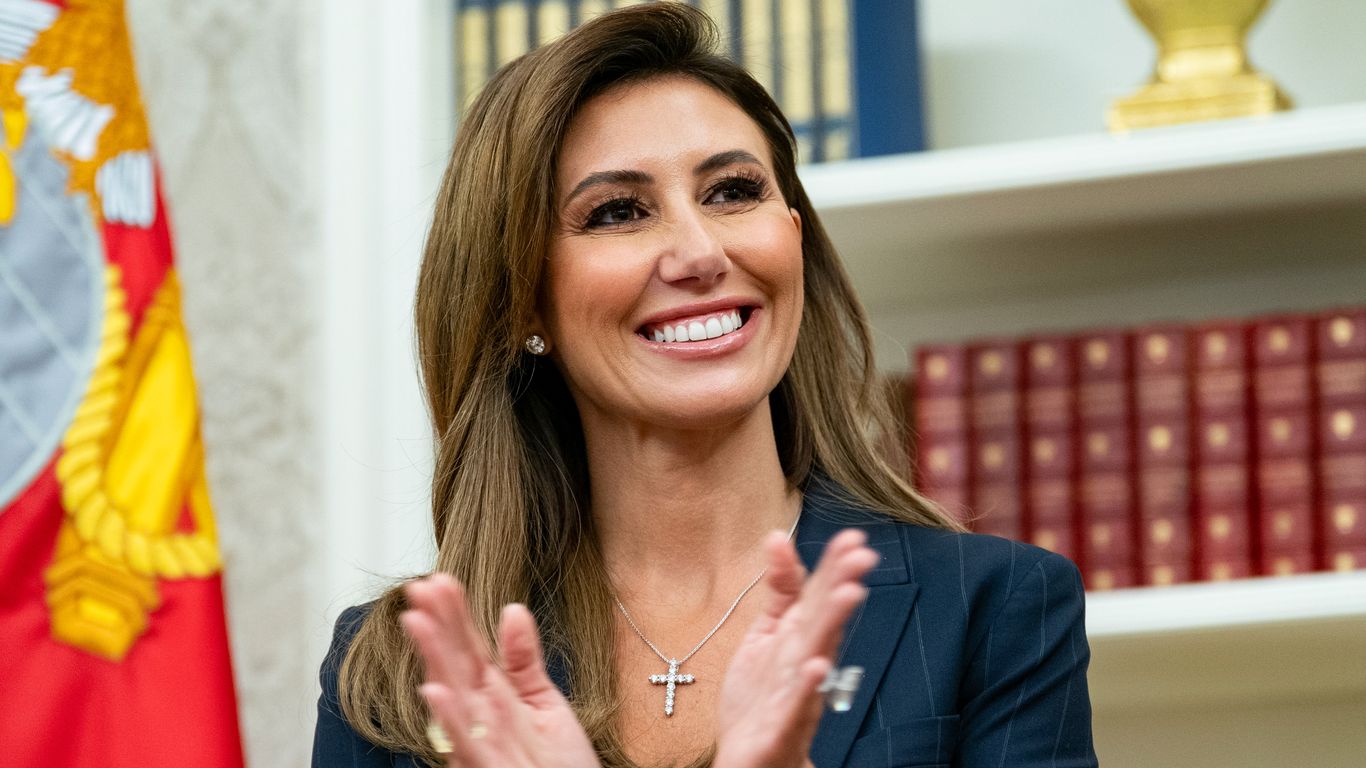
Alina Habba Declares Herself Acting U.S. Attorney for New Jersey
Alina Habba has recently proclaimed herself as the acting U.S. attorney for the District of New Jersey, a move that came just days after federal judges removed her from the position. This development marks a potential new conflict with the courts, especially considering that Habba was President Donald Trump's second nominee for the role.
Habba made the declaration in a post on X, where she stated: “Donald J. Trump is the 47th President. Pam Bondi is the Attorney General. And I am now the Acting United States Attorney for the District of New Jersey.” She added, “I don't cower to pressure. I don't answer to politics. This is a fight for justice. And I'm all in.” The post was later reshared by Bondi, highlighting the ongoing tension surrounding the appointment.
Background and Context
Trump had initially appointed his then-presidential counselor, Alina Habba, as the interim U.S. attorney for the District of New Jersey in March. However, federal judges later appointed a new interim U.S. attorney for the district while Habba awaited Senate confirmation. Just hours after Desiree Leigh Grace was appointed, Bondi announced that Habba had been removed from the position and criticized the judges’ decision.
According to a source from the Department of Justice, Habba’s 120-day tenure had not yet expired because the appointment order was signed on March 28. As a result, she can now remain in the acting role for an additional 210 days since her nomination was withdrawn and she resigned as interim U.S. attorney under a congressional rule.
Legal and Constitutional Implications
Habba was originally appointed as the first assistant U.S. attorney, and due to a vacancy, she is now serving as the acting U.S. attorney, according to the source. However, legal experts have raised concerns about the legitimacy of this move.
Steve Vladeck, a constitutional law professor at Georgetown University, pointed out that the president cannot appoint the first assistant to be the acting officer if their nomination was submitted, not just if it's pending. He emphasized that withdrawing the nomination does not change the fact that it was submitted, citing U.S. Code.
The U.S. Code stipulates that interim U.S. attorneys are only allowed to serve for 120 days if they are not confirmed by the Senate or extended by the district court. After the appointment expires, the district court is allowed to appoint a new prosecutor to serve until the vacancy is filled.
What to Watch For
Vladeck noted that the statute in question does not require a nomination to be pending — only submitted. He also mentioned that the point of the statute is to prevent such situations, where individuals might attempt to hold office through acting roles without proper confirmation.
Given that Habba was formally nominated earlier this month, Vladeck believes this should preclude reliance upon the provision. He added that he wouldn’t be surprised if the administration’s actions were challenged in court.
Ongoing Developments
This situation highlights the complex interplay between executive appointments, judicial oversight, and legal statutes. It also underscores the broader implications for how federal positions are filled and managed, particularly when there are disputes over the legality of appointments.
As the situation continues to unfold, further developments could impact the balance of power within the Department of Justice and the role of the courts in overseeing federal appointments. The outcome of any potential legal challenges will likely shape future practices in filling such critical roles.

Post a Comment for "Alina Habba Vows to Stay N.J. Prosecutor: "I Don't Cower to Pressure""
Post a Comment