A Clarke-Inspired Mantra Shapes Thor's Logic in Marvel
The Influence of Arthur C. Clarke on the MCU
The Marvel Cinematic Universe (MCU) has always been a blend of science fiction, fantasy, and superhero action. With such a vast and intricate narrative, it's no surprise that many of its most compelling elements have come from unexpected places. From James Gunn sketching out the lore behind the Infinity Stones on a napkin to Ryan Coogler shaping Wakanda based on Chadwick Boseman’s imagination, the storylines of the MCU are filled with fascinating anecdotes.
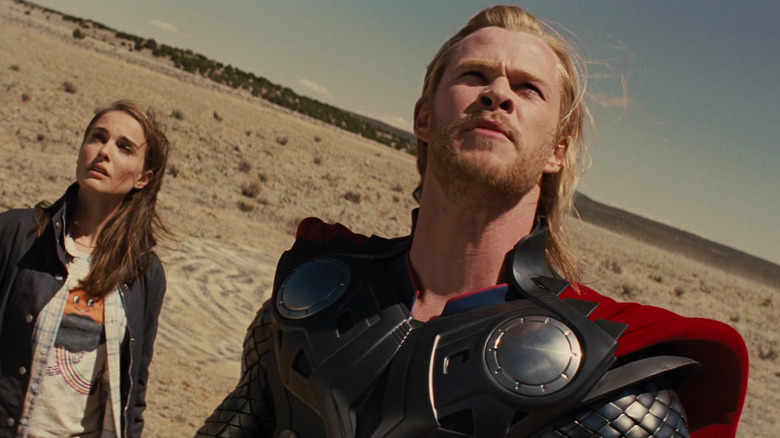
One particularly interesting story involves the God of Thunder, Thor. In the 2011 film Thor, the character crash-lands on Earth after being banished by his father, Odin. He quickly becomes fascinated with the planet, which he refers to as Midgard. Along the way, he meets Dr. Jane Foster and explains the workings of Asgardian magic, including how it intersects with Earth's technological advancements.
Kevin Feige, the head of Marvel Studios, has revealed that Arthur C. Clarke played a significant role in shaping how magic is portrayed in the MCU. Specifically, Clarke’s famous third law — “Any sufficiently advanced technology is indistinguishable from magic” — served as a foundational concept for the franchise.
Clarke’s Third Law and Its Impact on the MCU
Clarke first introduced this idea in his 1962 book Profiles of the Future: An Inquiry into the Limits of the Possible. This principle became central to how the MCU approached the integration of magic and technology. When Collider interviewed Feige on the set of Thor in 2010, he referenced the quote to explain how the MCU could bring together sci-fi and fantasy elements:
“Was it Arthur C. Clarke or [Isaac] Asimov who said, 'Technology significantly advanced would be indistinguishable from magic.' That quote is what we used a lot and continue to use with all of this. Something that looks like magic to us, but it's not magic to them. That is where we are coming from and when these worlds eventually collide, it will be in a pretty scientific manner.”
This concept helped ease concerns among comic book fans when Thor was released early in the MCU’s run. At the time, many expected the franchise to focus primarily on grounded, tech-based heroes like Iron Man and the Hulk. However, Thor showed that the MCU could seamlessly blend sci-fi and fantasy elements.
Magic and Technology in the MCU
The idea that magic and technology can coexist has led to some of the MCU’s most memorable moments. Thor’s interactions with other characters often highlight the contrast between his alien perspective and Earth’s scientific understanding. For example, characters like Wanda Maximoff and Stephen Strange frequently find themselves in situations where their magical abilities are met with disbelief.
Even the humor in the MCU benefits from this dynamic. Sam Wilson’s jokes about "The Big Three" — androids, wizards, or aliens — being responsible for most of the Avengers' problems are a testament to how well this concept has been integrated into the films.
The Future of Magic in the MCU
As the MCU continues to expand, it remains to be seen how it will handle its approach to magic and technology. While there are calls for more adaptations of characters like Thor, the current balance between the two elements has proven to be both effective and engaging. The charm of Thor as an alien with advanced technology that resembles Norse runes rather than literal magic adds a unique layer to his character.
With the upcoming Avengers: Secret Wars and the potential for future projects, the MCU will likely continue exploring the intersection of science and magic. Whether it sticks to Clarke’s principles or takes a different route, the blend of these two forces has already proven to be a powerful storytelling tool.

Post a Comment for "A Clarke-Inspired Mantra Shapes Thor's Logic in Marvel"
Post a Comment