8 Wild Driving Laws That Could Cost You Big
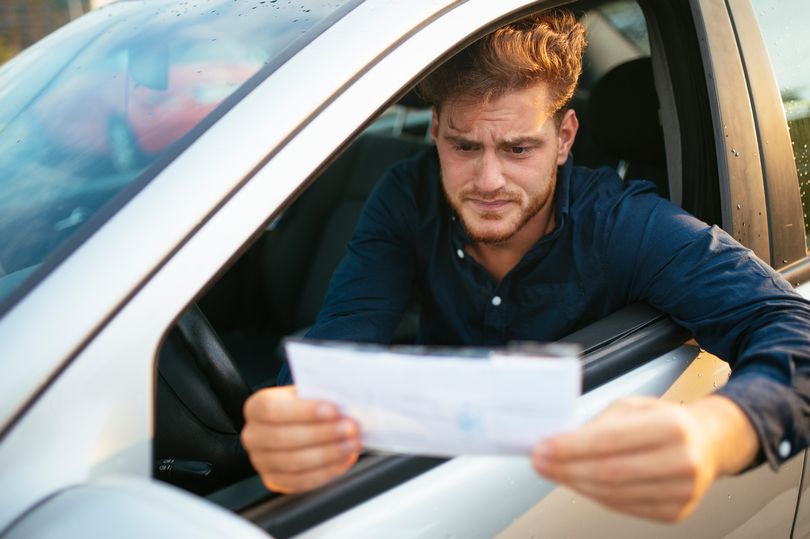
Unusual Driving Laws Around the World
Driving laws are often designed to ensure safety and order on the roads, but some of them can be quite unexpected. While most people know to stop at red lights and wear seatbelts, there are a number of peculiar regulations that could lead to fines or other consequences if not followed.
Some of these laws may seem strange at first, but they often have cultural or historical significance. For example, in certain regions, drivers are expected to yield to camels, even though it's not always written into official law. In the United Arab Emirates, this is more of a traditional practice than a legal requirement, but ignoring it could result in local backlash.
Fines Based on Wealth in Switzerland
Switzerland has a unique approach to speeding fines. Instead of fixed amounts, the penalties are calculated based on the driver’s income and wealth. This means that while an average person might pay a few hundred Swiss francs, someone with a high income could face thousands for the same offense. The rationale behind this system is that a small fine would have little impact on a wealthy individual, but it could be a significant burden for someone earning minimum wage.
Repeat offenders may also face additional consequences, such as driving bans or even jail time for serious violations.
Running Out of Fuel in Germany
On Germany’s Autobahn, running out of gas is considered a traffic violation. Drivers who find themselves stranded can expect fines ranging from €30 to €70 (about $35 to $80). If they have to walk along the motorway to get fuel, that’s another offense with additional penalties. German authorities view this as poor planning that could endanger other drivers.
Emergency services may also charge for rescue operations, which can add hundreds more to the total cost.
Splashing Pedestrians in Japan
In Japan, splashing water or mud onto pedestrians while driving is not only considered poor social etiquette but also a traffic violation. The country’s "muddy driving" laws allow for fines of up to 7,000 yen (just under $50). Although this offense doesn’t result in license points, drivers could face additional charges depending on the circumstances. They might also be required to pay compensation for damaged belongings, cleaning costs, legal fees, and even lost wages if the victim has to take time off work.
No Fuzzy Dice in Parts of Australia
Several Australian states have strict rules about what can hang from the rear-view mirror. Items like air fresheners, fuzzy dice, graduation tassels, or religious symbols are prohibited because they can obstruct the driver’s vision. Fines vary by state, ranging from $100 in Western Australia to $3,200 in the Australian Capital Territory. Police can issue on-the-spot penalties for violations.
Shirtless Driving in Thailand
In Thailand, driving shirtless is considered disrespectful and can result in fines between 100 and 500 baht (approximately $3 to $16). This rule applies to both men and women and extends to wearing inappropriate clothing while driving. Police regularly enforce this during routine traffic stops, and the fine doubles if the driver is also breaking other traffic laws.
Eating While Driving in Cyprus
Cyprus has strict laws against consuming any food or beverages while driving, including water. Police consider any hand-held consumption a form of distracted driving, and violations can result in an average penalty of €150 (nearly $160). This is because drivers are required to keep both hands on the steering wheel at all times.
Having a Dirty Car in Russia
In Russia, traffic police can fine drivers between 800 and 2,000 rubles (around $10 to $26) for having an excessively dirty vehicle, especially if the number plates aren’t clearly visible. This law is strictly enforced during the winter months due to road salt and slush. In extreme cases, vehicles may be impounded, leaving tourists stranded until they can clean their car and pay all associated fees.

Post a Comment for "8 Wild Driving Laws That Could Cost You Big"
Post a Comment