10 Baking Secrets for an Apple Pie That Outshines Any Bakery
Choosing the Right Apples for Your Pie
When it comes to making a perfect apple pie, selecting the right type of apples is crucial. Not all apples are created equal when it comes to baking. While some varieties like Red Delicious or McIntosh may look appealing, they often have a texture that can make your pie too wet or mushy. Instead, opt for apples that hold their shape and offer a balanced flavor. Varieties like Cortlands, Granny Smiths, Golden Delicious, Honeycrisps, and Fujis are excellent choices. These apples provide a good mix of sweetness and tartness, which can enhance the overall taste of your pie.
For a unique twist, consider blending different types of apples. A combination of Winesap and Cortland apples can add both crispness and a touch of tartness, creating a more complex flavor profile. Remember, even if you choose sweeter apples, adding sugar to the filling will help balance the flavors, so don’t worry about the tartness.
Slicing Your Apples Properly
Once you’ve selected your apples, the next step is slicing them evenly. This ensures that they cook uniformly and prevent some pieces from being undercooked while others become too soft. Aim for slices that are between 1/4 to 1/2 inch thick. Using a sharp paring knife or an apple slicer can help achieve consistent results. Keep in mind that even small variations in size can affect how your apples cook, so take your time to ensure each slice is as uniform as possible.
Experimenting with Different Fats
The crust of your apple pie is just as important as the filling. Traditional butter-based crusts are popular, but many bakers find that using a combination of butter and vegetable shortening can yield a better result. Butter adds flavor, while shortening provides stability and helps the crust maintain its structure during baking. For those looking to experiment further, lard can also be used. It offers a flaky texture and can be combined with butter for a balanced flavor.
Considering Alternative Flours
While all-purpose flour is commonly used for pie crusts, there are other options worth exploring. Whole wheat flour can add a rustic flavor, while buckwheat offers a unique taste that can complement the sweetness of the apples. If you're making a gluten-free pie, using a pre-made gluten-free flour blend is recommended to ensure the right texture and consistency.
Chilling Your Dough
One of the most overlooked steps in making a great pie crust is chilling the dough. Cold fat is essential for creating a flaky and tender crust. After mixing your dough, place it in the refrigerator for at least 30 minutes before rolling it out. This step helps prevent the fat from melting too quickly during baking, which can lead to a tough crust. Additionally, chilling the dough after shaping it in the pie tin can further enhance the texture.
Adding the Right Sweetener
Sweetness is a key component of any apple pie. While apples themselves are naturally sweet, they often need additional sugar to balance out any tartness. Granulated sugar is the most common choice, but alternatives like honey or maple syrup can add unique flavors. However, these liquid sweeteners require adjustments to the recipe, such as increasing the amount of thickener to prevent the filling from becoming too runny.
Enhancing Flavor with Spices
Spices play a vital role in elevating the flavor of your apple pie. Cinnamon is a must-have, and many recipes call for a generous amount. Other spices like nutmeg, ginger, and cloves can add depth and complexity. Don’t be afraid to experiment with different spice blends, such as chai spice or Chinese five-spice powder, to create a unique and memorable pie.
Using a Thickener
Thickeners are essential for ensuring your pie filling sets properly. Cornstarch, flour, and tapioca are all viable options, each with its own benefits and drawbacks. Cornstarch is a popular choice because it provides a smooth texture, while flour can sometimes leave a slightly floury taste. Tapioca offers a clear, glossy finish and is often used in fruit pies for its stability.
Crimping and Latticing Techniques
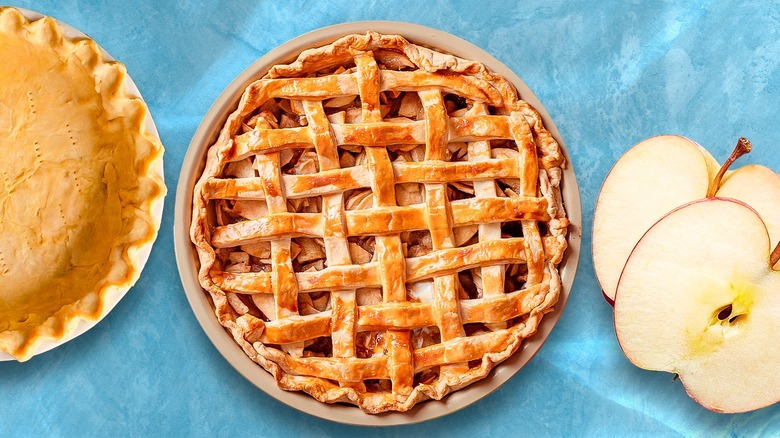
The presentation of your pie is just as important as its taste. Crimping the edges of your crust not only gives it a professional look but also helps seal in the juices. Latticing the top crust adds an extra layer of visual appeal and allows steam to escape during baking. Practicing these techniques beforehand can help you achieve a beautiful, well-structured pie.
Letting Your Pie Cool
After baking, it’s important to let your pie cool completely before slicing. This allows the filling to set properly, preventing it from becoming too runny. Allow at least three to four hours for the pie to cool, and consider placing it on a wire rack to promote air circulation. Once cooled, enjoy your pie with a scoop of vanilla ice cream or a slice of cheddar cheese for a delightful contrast in flavors.

Post a Comment for "10 Baking Secrets for an Apple Pie That Outshines Any Bakery"
Post a Comment