1 Dead, 22 Ill in Harlem Legionnaires Outbreak, Officials Report
A Legionnaires’ Outbreak in Harlem Causes Concern
A recent cluster of Legionnaires’ disease cases has been reported in Harlem, resulting in one fatality and 22 illnesses, according to city health officials. The disease was first identified on July 25, and since then, the New York City Health Department has confirmed the tragic death of one individual and the diagnosis of 22 others.
No specific details about the person who died have been released at this time. However, the outbreak has raised alarms among residents and public health authorities, especially given the potential for further spread.
Understanding Legionnaires’ Disease
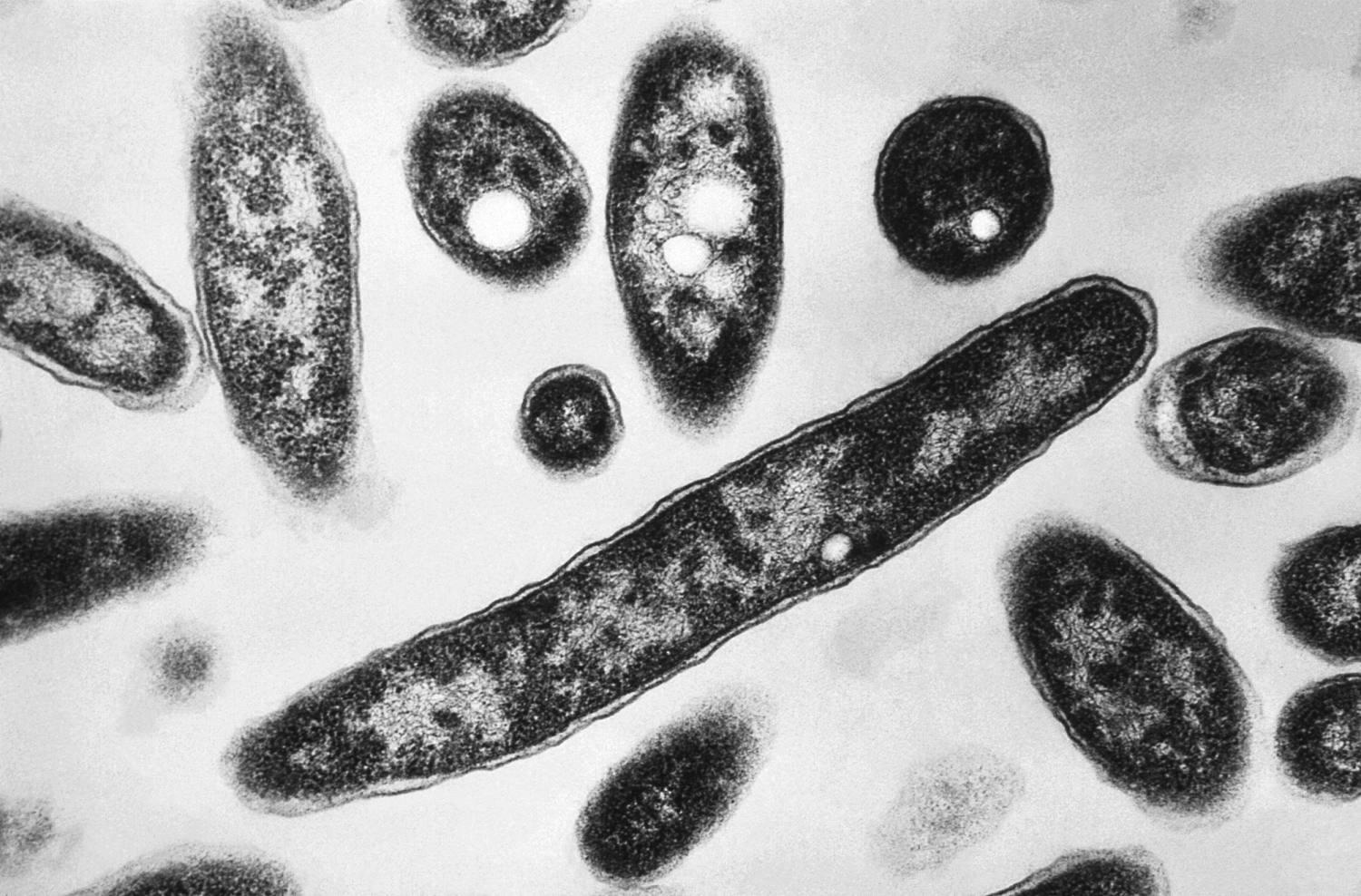
Legionnaires’ disease is a severe form of pneumonia caused by the Legionella bacteria. This bacterium thrives in warm water environments such as cooling towers, hot tubs, and large air-conditioning systems. The cases linked to this outbreak have been concentrated in five Harlem ZIP codes—10027, 10030, 10035, 10037, and 10039—as well as surrounding communities.
Health officials have taken immediate action by sampling all active cooling towers in the affected area. Those responsible for buildings where positive test results were found have been instructed to begin remediation within 24 hours.
Symptoms and Risk Factors
Individuals who have been in the impacted area since late July and are experiencing symptoms such as fever, cough, or difficulty breathing are urged to seek medical attention immediately. Although Legionnaires’ disease is not contagious between people, it can be serious and even life-threatening, particularly for those with weakened immune systems.
The symptoms typically appear between two to 10 days after exposure and may include:
- Headache
- Muscle aches
- Shortness of breath
- Cough
- Fever
These symptoms can resemble those of other respiratory illnesses, including the flu and even COVID-19. A doctor’s test is required to confirm a diagnosis.
Certain groups are more vulnerable to the disease, including adults over the age of 50, smokers, and individuals with chronic lung conditions or compromised immune systems. Healthy individuals are less likely to develop the illness, even if exposed to the bacteria.
How It Spreads
Legionella bacteria spread when people inhale tiny droplets of contaminated water. These droplets can come from various sources, including:
- Hot tubs
- Industrial air conditioning systems
- Decorative fountains
- Plumbing systems
- Drinking water
Outbreaks often occur in large buildings with complex water systems, such as hotels, hospitals, and cruise ships. The bacteria can also survive in soil, potentially causing infections when people come into contact with contaminated soil while gardening.
It is important to note that the disease does not spread directly from person to person in most cases.
Treatment and Prevention
Legionnaires’ disease is treatable with antibiotics, though hospitalization is often necessary. Anyone who suspects they have been exposed to Legionella should consult a healthcare provider promptly. It is crucial to mention any recent activities, such as hot tub use, travel, or hospital stays, as these can provide important context for diagnosis and treatment.
Public health officials continue to monitor the situation in Harlem, conducting investigations to determine the source of the outbreak and prevent further cases. Residents are encouraged to remain vigilant and seek medical care if they experience any symptoms.
Historical Context
This outbreak comes amid growing concerns about Legionnaires’ disease in the city. In 2022, at least five people died from the disease during a summer outbreak at a Manhattan nursing home. That incident marked one of the worst outbreaks in recent years, following a 2015 incident in the Bronx that led to 16 deaths. On average, between 200 and 700 cases are diagnosed annually in New York City.
What You Can Do
If you live or work in the affected area, it is essential to stay informed and take precautions. If you experience any symptoms, do not delay seeking medical attention. Additionally, maintaining good hygiene and avoiding exposure to potential sources of contamination can help reduce the risk of infection.
For more information about Legionnaires’ disease, including prevention strategies and treatment options, visit the Centers for Disease Control and Prevention (CDC) website.

Post a Comment for "1 Dead, 22 Ill in Harlem Legionnaires Outbreak, Officials Report"
Post a Comment