Zelensky's Power Move: The 1600 Moment
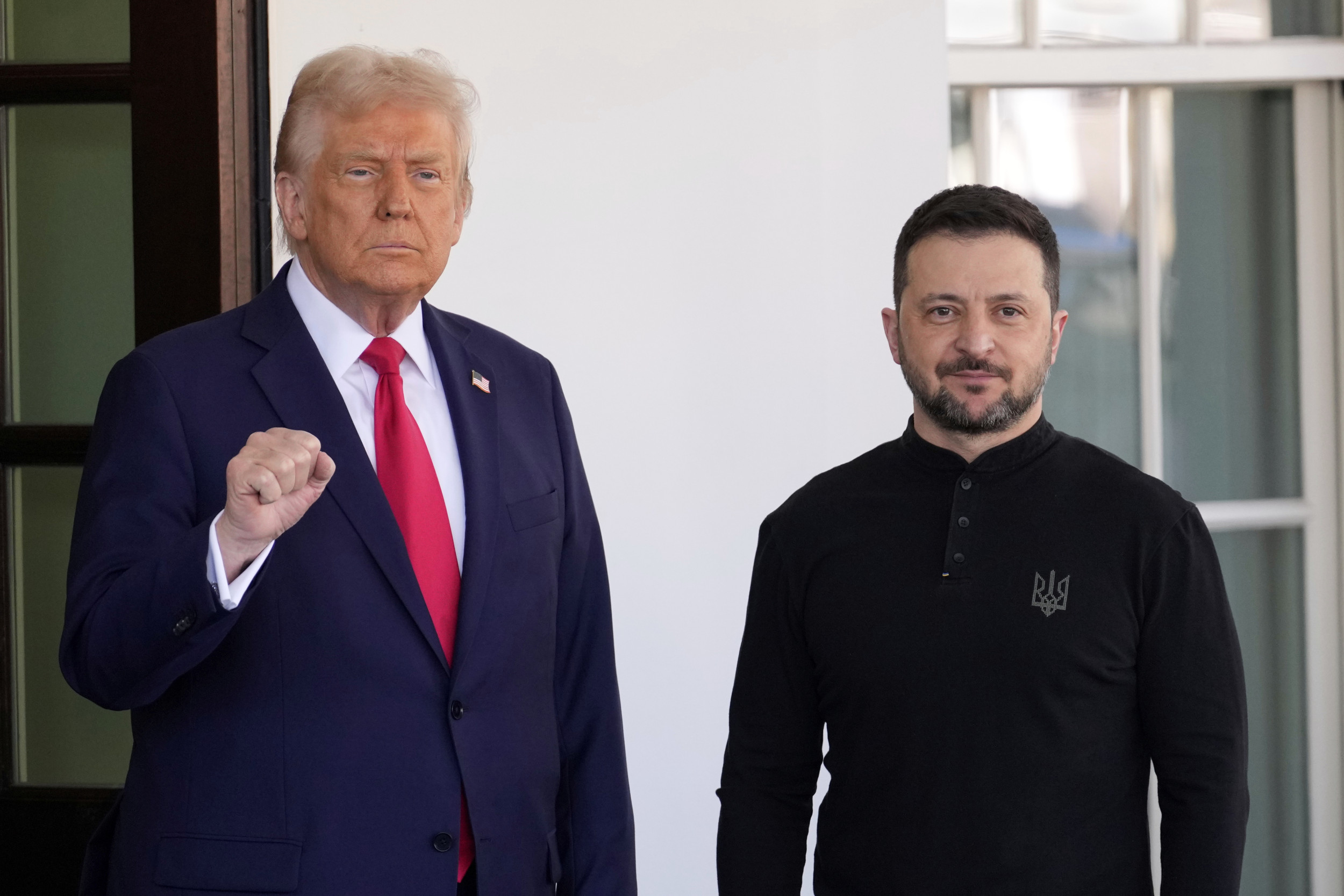
A High-Stakes Meeting in Washington
President Trump has once again managed to bring together a group of European leaders for a work trip in the middle of August, this time with Ukrainian President Zelensky. The meeting is set to take place at the White House, where the leaders of the UK, Germany, Italy, France, NATO, and the EU will join Zelensky for a series of high-stakes discussions. This comes after Trump’s recent summit with Putin in Alaska, which received mixed reviews.
The situation on the ground is complex. Reports suggest that Putin outlined his conditions for a ceasefire and a comprehensive peace agreement during the Alaska summit. According to these reports, Ukraine would have to give up control over the Donbas and Crimea, and in return, Putin would provide a written guarantee not to attack or occupy any new territories in Ukraine or Europe. While this seems like a significant concession from Putin, it's worth noting that such promises from him are often viewed with skepticism.
Steve Witkoff, Trump’s special envoy, mentioned that Putin is open to accepting US and European security guarantees for Ukraine as part of the deal, even if it doesn’t involve NATO’s Article 5. If true, this could be a notable shift in Russia’s stance. It implies that Ukraine might become a shadow member of NATO, operating under the West’s security umbrella in exchange for ceding some of its territory. Whether this is the best outcome after years of conflict is debatable, but it could offer a path to peace.
There is a growing narrative suggesting that Trump may have compromised too much in Alaska, with European leaders stepping in to support Zelensky and prevent a potentially unfavorable deal. However, it's also possible that the meeting marks a breakthrough, with all parties gathering to finalize the details. While I can't be certain, I remain optimistic about the potential for progress.
The Alaska summit highlighted the unique relationship between Trump and the media. The coverage was largely negative, but Trump himself contributed to the situation by setting unrealistic expectations. He initially downplayed the summit, calling it a "listening exercise" with modest goals. However, he later suggested he wouldn’t be satisfied without a ceasefire. The event itself was marked by excessive ceremony, including a red carpet for Putin, a B-2 flyover, and a long monologue from Putin on national television.
This kind of spectacle often leads to criticism from the media, but it also reflects Trump’s tendency to prioritize showmanship over subtlety. This pattern was evident during his previous meetings with North Korea, where similar issues arose.
Despite the challenges, there is value in the movement toward peace. Even small steps forward are better than no progress. I hope that Zelensky presents himself professionally today.
Other Developments
Trump’s Peace Terms for Zelensky
President Trump has stated that Ukraine will not be able to reclaim Crimea or join NATO if it seeks a peace deal with Russia. He suggested that Zelensky could end the war almost immediately if he chooses to do so, or continue fighting. This statement highlights the difficult choices facing Ukrainian leadership.
Targeting Mail-In Ballots
Trump has announced plans to issue an executive order aimed at ending the use of mail-in ballots and voting machines ahead of the 2026 midterm elections. He argues that these methods are inaccurate, expensive, and controversial, and prefers the use of watermark paper, which he claims is more reliable and efficient.
New Census Proposal
Trump’s proposal for a new national census that excludes undocumented immigrants could impact Texas’ political influence. Experts suggest that this change could reduce the state’s population count, leading to fewer Electoral College votes and House seats. This proposal raises concerns about representation and fairness.
These developments underscore the ongoing political and social challenges facing the country, with implications that extend beyond the immediate context of the current administration.

Post a Comment for "Zelensky's Power Move: The 1600 Moment"
Post a Comment