Zelensky Reverses Corruption Reform to Quell Protests
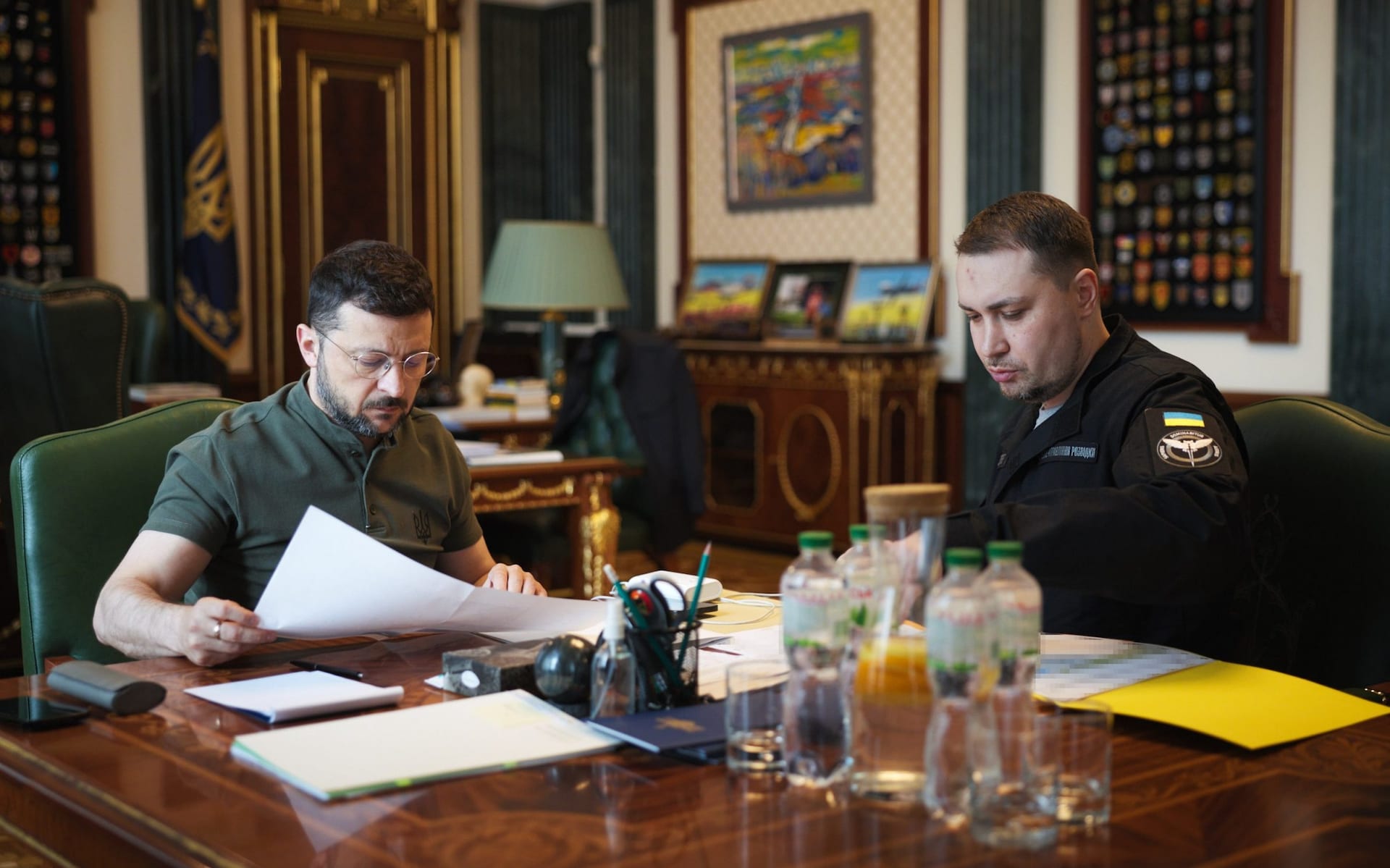
President Zelensky Faces Public and Military Backlash Over Corruption Reform
Volodymyr Zelensky, the president of Ukraine, has appeared to reconsider his controversial approach to anti-corruption reforms. His decision came in response to widespread public protests across the country, which have grown more intense since he introduced a bill that significantly curtailed the independence of two key anti-corruption agencies. The move was met with fierce opposition from citizens, military personnel, and international partners.
In a statement, Zelensky said he had "heard what people are saying" and pledged to introduce a new bill in parliament within two weeks. He emphasized that the proposed legislation would include provisions to ensure the independence of these anti-corruption institutions. However, this reassurance did little to quell the anger among protesters, who took to the streets of Kyiv and other major cities on Wednesday night.
Olena, a 19-year-old student from Sumy, expressed her frustration during one of the demonstrations. She told The Telegraph that she wanted to see an end to corruption and government overreach, adding that Ukraine should embrace European values. For her and many others, the independence of anti-corruption watchdogs is essential for a fair and transparent society.
The controversy began when Zelensky signed a law that transferred control of the National Anti-Corruption Bureau of Ukraine (Nabu) and the Specialised Anti-Corruption Prosecutor’s Office (Sapo) to the prosecutor general—a position directly appointed by the president. Critics argue that this move could allow the president to shield his allies from prosecution. One such ally, Oleksiy Chernyshov, former deputy prime minister, was recently charged with accepting bribes in exchange for approving an apartment development project.
Concerns from Civil Society and International Partners
AntAC, an anti-corruption NGO, remains skeptical about the effectiveness of Zelensky's latest proposal. Tetiana Shevchuk, head of international relations at AntAC, stated that while the president's decision to delay the implementation of the law is a positive step, the lack of details in the new bill raises concerns. She pointed out that if parliament could pass the original law in just 24 hours, it should be able to reverse it quickly as well.
European Commission President Ursula von der Leyen also voiced concerns about the law, warning that it could jeopardize Ukraine's access to aid and its path toward EU membership. Europe has become a critical partner for Ukraine, especially after U.S. support for the country has declined significantly since the start of the year.
Military Condemns the Reforms
The Ukrainian armed forces were not silent in their criticism of the reform. Soldiers accused Zelensky of undermining morale at the front lines and potentially giving Russia an advantage. Vitalii Umanets, a Ukrainian soldier, called on civilians to join the protests, arguing that without independent anti-corruption bodies, the fight for Ukraine’s future is meaningless.
Mykhailo Lavrovskyi, a member of the 1st Azov Corps, wrote on social media that the reform was a deliberate provocation that played into Moscow’s hands. An anonymous officer added that the reform could harm military morale by shifting focus away from the war effort.
Internal Struggles and Political Tensions
Ukraine’s intelligence chief, Kyrylo Budanov, warned that the crisis could tear the nation apart if not addressed through open dialogue. He emphasized the importance of unity, citing historical lessons that show how internal divisions can weaken a country during times of conflict.
Zelensky defended his initial decision, claiming that he had met with Nabu and Sapo leaders and agreed to develop a joint action plan within two weeks to strengthen the anti-corruption system. However, critics like Shevchuk believe that the president may have acted out of fear that investigations into his inner circle were getting too close.
Ongoing Protests and Peace Talks
Despite the president’s promises, protests continued in Kyiv, Dnipro, Lviv, and Odesa. Demonstrators remain unconvinced that the changes will be meaningful or lasting. Meanwhile, peace talks between Russian and Ukrainian negotiators in Istanbul highlighted the ongoing efforts to find a resolution to the conflict.
A Ukrainian spokesperson reiterated that securing a meeting between Zelensky and Putin remains a top priority, emphasizing that high-level discussions are necessary to address critical issues like a ceasefire. Ukraine has even proposed face-to-face talks between the two leaders before the end of August, aligning with the deadline set by Donald Trump for Russia to end the war or face severe consequences.

Post a Comment for "Zelensky Reverses Corruption Reform to Quell Protests"
Post a Comment