Zelensky Returns to Washington, Flanked by Europe
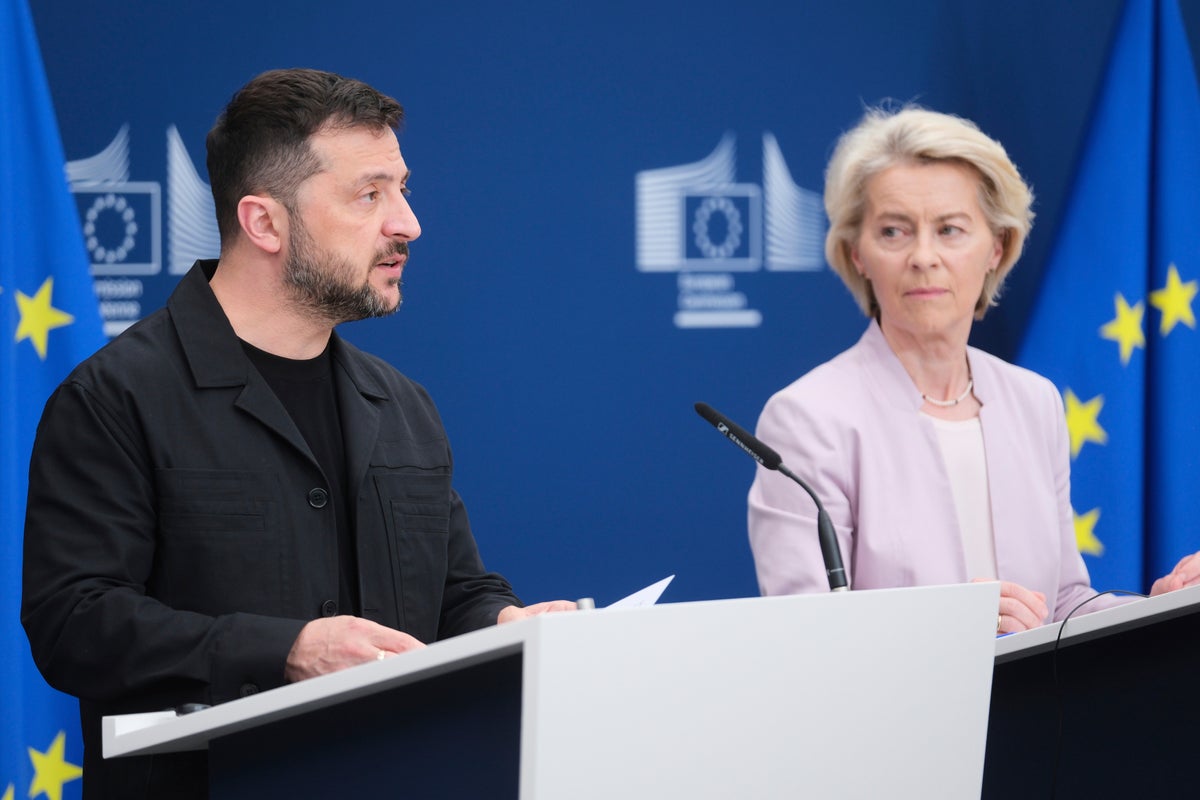
A New Chapter in Diplomacy
The resilience of Volodymyr Zelensky and the ongoing influence of Donald Trump as a potential peacemaker have set the stage for another high-stakes meeting at the White House. This encounter, while not without its challenges, reflects the complex dynamics of international diplomacy and the urgent need for resolution in the ongoing conflict.
Six months ago, a previous meeting between Zelensky and Trump was marked by tension and controversy, with the Ukrainian leader facing intense scrutiny. Since then, both leaders have had time to reflect on the lessons learned from that experience. Notably, Trump and Zelensky have since engaged in more informal discussions, such as their meeting at the Vatican, which has helped to mend some of the strained relations.
In addition to Zelensky, several European leaders, including Sir Keir Starmer, will be present in Washington. Their presence underscores the significance of this meeting, especially during a time when Europe is typically in the midst of its holiday season. The urgency of the situation is clear, with stakes higher than ever due to the evolving battlefield conditions and the apparent new understanding between Trump and Russian President Vladimir Putin following their summit in Alaska.
Lessons from the Past
For Zelensky, the upcoming meetings in Washington are an opportunity to apply the lessons learned from past encounters. It is crucial that he uses a translator, regardless of his personal beliefs about the necessity of one, and avoids answering media questions before any formal discussions take place. While his choice of attire should be his own decision, the importance of maintaining a professional demeanor cannot be overstated.
The presence of so many high-level European officials may serve as a safeguard against Ukraine being treated as a peripheral state. There are already signs of increased transatlantic flexibility on two critical issues: the approach to ending the war and the provision of security guarantees.
After the Alaska summit, Trump appeared to align more closely with Putin’s vision for a long-term resolution rather than an immediate ceasefire. This shift has been mirrored by European leaders, who now seem to be focusing on a more complex but sustainable end to the conflict. Security guarantees, which have been a consistent demand from Ukraine, may also be revisited, although the specifics remain unclear and the role of the U.S. in underwriting these guarantees is yet to be determined.
Navigating the Peace Process
Nato membership for Ukraine remains a significant red line for Russia, making it a challenging issue to address. However, the current diplomatic landscape offers a potential pathway forward. The choreography of the meetings in Washington aims to ensure that Ukraine and Europe are not sidelined in the peace process.
European leaders must remain united in their stance, particularly regarding the principle of “nothing about Ukraine without Ukraine.” This means ensuring that any peace process includes Ukraine's full participation and that there is no dilution of their position on territorial concessions. The European stance appears to be that no borders should be changed by force, although the final decision rests with Ukraine.
Zelensky has shown varying levels of openness to discussing territorial changes, while also reaffirming his commitment to upholding the constitution, which prohibits sacrificing land. The emotional issue of Ukraine's abducted children must also be considered in any discussions. If the U.S. first lady, Melania Trump, has indeed taken up their cause, their return may become a more realistic possibility.
Balancing Interests and Challenges
Ultimately, the decision to end the war and accept potential territorial losses will be one of Zelensky's most difficult choices. Domestically, this will require careful consideration, while internationally, there are diplomatic strategies that can manage ongoing territorial ambiguities.
The principle of “nothing about Ukraine without Ukraine” is not just a slogan; it is a practical requirement for any lasting peace. The recent developments have raised the question of whether, despite Moscow's official intransigence, there is enough at stake between the U.S., Russia, and Ukraine to allow for some modest progress towards peace. A cautious "Yes" may be the best answer that can be hoped for from Washington.

Post a Comment for "Zelensky Returns to Washington, Flanked by Europe"
Post a Comment