WVPA Issues Statement and Report After June Turnpike Closure
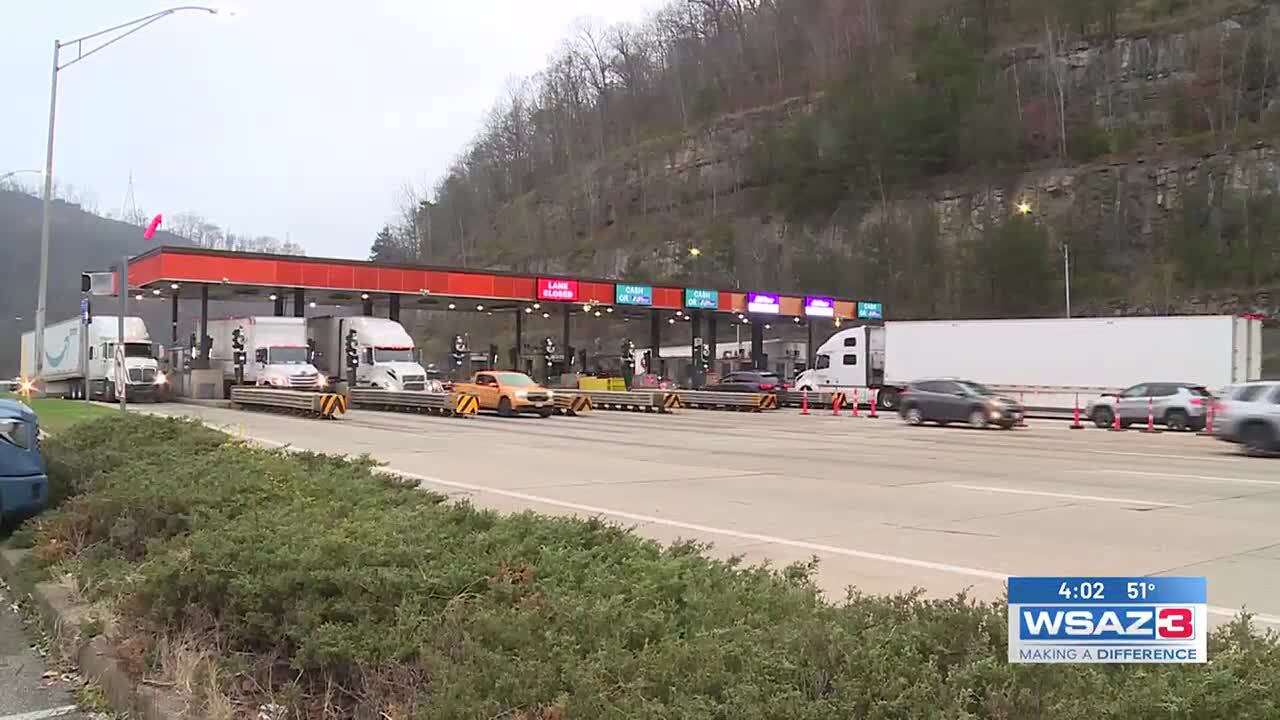
Understanding the West Virginia Turnpike Closure
On June 27, the West Virginia Turnpike experienced a significant closure that lasted over eight hours. This incident was attributed to unprecedented rainfall that led to a mud and rockslide, blocking storm drains and causing severe flooding across the roadway. The storm's intensity exceeded levels typically associated with a 1,000-year flood event, according to the West Virginia Parkways Authority (WVPA).
Causes of the Closure
The WVPA conducted a thorough review of the events surrounding the turnpike closure. They identified that the primary cause was the extreme weather conditions that overwhelmed the drainage systems. Despite the severity of the situation, on-site teams decided not to follow standard procedures for traffic mitigation and detours due to improving weather conditions and perceived progress in clearing the blocked drains.
However, this decision led to issues with communication, which prevented timely notification to leadership and emergency responders. As a result, the response to the closure was delayed, exacerbating the impact on travelers and local communities.
Immediate Actions Taken by the WVPA
In response to the findings from their review, the WVPA has initiated several critical actions to prevent similar incidents in the future. These include:
-
Establishment of a Critical Response Team: This team consists of key WVPA leadership and the West Virginia State Police, tasked with overseeing immediate detour planning and execution during major road closures.
-
Development of an External Communications Plan: The WVPA aims to improve coordination with the public by providing real-time updates through social media, digital signage, and media alerts. They also plan to use systems like Wireless Emergency Alerts or text messaging services to notify travelers.
-
Creation of a Motor Services Plan: In collaboration with first responders and the Incident Management Emergency Traffic Control Plan protocols, the WVPA has established a standardized approach to ensure services are available to drivers during extended delays when detour routes are inaccessible.
-
Revision of the Incident Management Emergency Traffic Control Plan: This plan will be updated to include a clearer process flowchart outlining critical response communications, strategic evaluations, and implementation of temporary detours.
-
Enhancement of the Incident Management Emergency Traffic Control Plan Training Program: The WVPA will introduce quarterly refresher courses and specialized training in media and external communications to better prepare staff for future emergencies.
Reimbursements for Toll Charges
As part of their commitment to transparency and customer service, the WVPA reversed all electronic charges through EZ Pass, credit card, and Pay by Plate from the Cheylan Toll Plaza for toll collections by the following Tuesday after the incident on June 27.
For cash customers who have not yet received reimbursement, they can contact the WVPA’s customer service department at 1-800-206-6222. Customers should provide the license plate number and approximate time between 3:45 a.m. and 1:40 p.m. on June 27 to be reimbursed.
Conclusion
The West Virginia Turnpike closure serves as a critical reminder of the importance of preparedness and effective communication in managing unexpected natural disasters. The WVPA's proactive steps to enhance their response strategies and improve communication with the public demonstrate a commitment to ensuring the safety and convenience of travelers in the future.

Post a Comment for "WVPA Issues Statement and Report After June Turnpike Closure"
Post a Comment