Why You Should Avoid Canning Meatballs
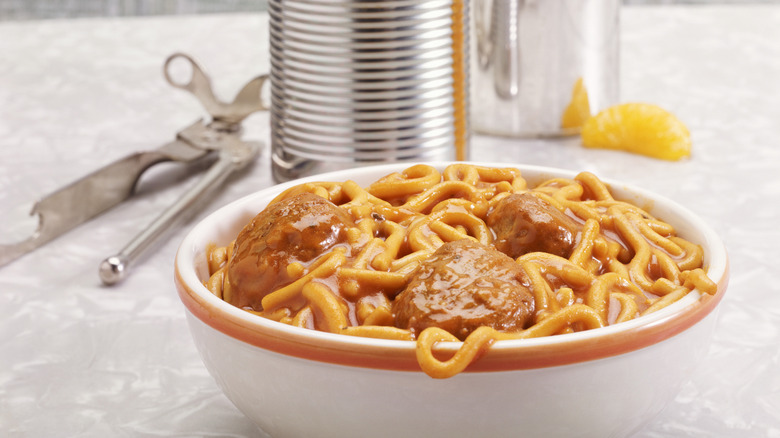
The Risks of Canning Homemade Meatballs
When you're in the mood for a comforting meal like spaghetti and meatballs, the idea of having homemade meatballs ready to eat at any time sounds appealing. However, it's important to understand that canning meatballs at home is not recommended due to significant safety concerns.
Mary Bryant Shrader, a traditional cooking expert and author of "The Modern Pioneer Cookbook," explains that the National Center for Home Food Preservation (NCHFP) does not provide tested or approved recipes specifically for canning meatballs as a standalone item. This lack of guidance makes it risky for home cooks to attempt the process.
Understanding the Guidelines
While the NCHFP offers recipes for canning other meat products, there are no specific instructions for meatballs. This can be confusing, especially since some blogs provide instructions for pressure canning meatballs. However, the key issue lies in the ingredients used in traditional meatballs.
Sauces and fillers such as breadcrumbs, milk, cheese, and eggs play a crucial role in the taste and texture of meatballs. These ingredients introduce variables that affect heat penetration during the canning process. Without specific guidelines from the NCHFP, it's impossible to determine the correct time and pressure needed to ensure the destruction of harmful pathogens.
The Impact of Fillers on Safety
Proper heat penetration is essential for safe canning techniques. The heat from boiling water and pressure is what kills off dangerous bacteria. However, the addition of fillers changes the texture and density of meatballs, making them less permeable to heat. This can lead to undercooked areas where harmful bacteria may survive.
Additionally, some fillers are not approved for pressure canning and can create ideal conditions for the development of bad bacteria, including those that cause botulism. The excess fat in certain ingredients can also interfere with the sealing of the canning lid, increasing the risk of spoilage.
The NCHFP’s Definition of Meatballs
The NCHFP's official rules for canning meat mention shaping chopped meat into patties or balls. However, Mary Bryant Shrader clarifies that these guidelines refer to plain ground meat seasoned only with salt and cayenne pepper. Traditional meatballs, on the other hand, often include a variety of additional ingredients that affect pH, density, and heat penetration.
These differences mean that the NCHFP's definition of ground meatballs is far from the richly seasoned, homemade versions that most people enjoy. As a result, following the NCHFP's guidelines for plain meat does not apply to the complex mix of ingredients found in typical meatball recipes.
Recommended Alternatives
Instead of canning meatballs, Bryant Shrader recommends freezing fully cooked meatballs. This method ensures they remain safe to eat while preserving their flavor and texture. Additionally, she suggests pressure canning sauce separately, which allows for the safe storage of the accompanying components without the risks associated with canning meatballs.
By understanding the risks involved in canning meatballs and exploring safer alternatives, home cooks can enjoy their favorite meals without compromising their health. It's always best to follow established guidelines and prioritize food safety when preparing and storing meals at home.

Post a Comment for "Why You Should Avoid Canning Meatballs"
Post a Comment