Why Venus Could Be Earth's Twin After All
The Evolving Perception of Venus as a Potential Habitat
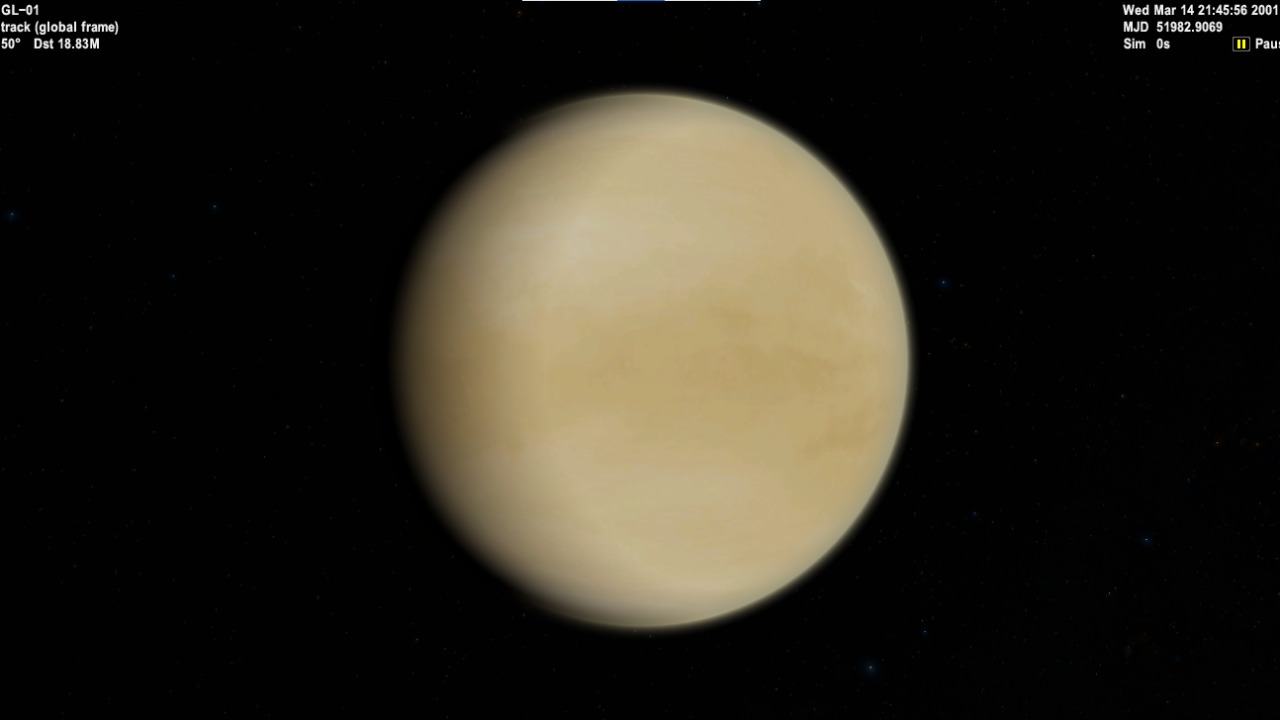
Venus, often called Earth’s “twin” because of its similar size and proximity to the Sun, has long been considered an unlikely candidate for habitability due to its extreme surface conditions. However, recent scientific discoveries and evolving theories are beginning to challenge this view, suggesting that Venus may have once been, or could still be, more suitable for life than previously believed.
Historical Habitability of Venus
Geological evidence indicates that Venus might have had conditions favorable for liquid water in its distant past. According to various scientific publications, the planet may have supported liquid water for billions of years, which is a critical factor for life as we know it. This challenges the idea that Venus has always been an inhospitable world and opens up the possibility of past life on the planet.
Research also suggests that Venus could have once had a climate similar to Earth's, with oceans, rain, and a balanced temperature range that could support life. These findings are reshaping our understanding of Venus’ atmospheric evolution and its potential to host life in the past.
Life in the Clouds of Venus
One of the most intriguing areas of research involves the dense cloud layers of Venus. These clouds exist at altitudes where temperatures and pressures are similar to those on Earth’s surface, creating what some scientists call "habitable zones" within the atmosphere. This environment could potentially support microbial life, much like extremophiles on Earth thrive in harsh conditions.
The chemical composition of Venus' atmosphere further adds to this possibility. Studies have detected phosphine, a gas associated with biological processes, in the planet’s cloud layers. While this is not definitive proof of life, it is a strong indicator that warrants further investigation. Other life-sustaining elements have also been identified, suggesting that the clouds may contain the necessary ingredients for life.
Atmospheric and Surface Dynamics
A major obstacle to Venus' habitability is its rapid loss of water. Recent studies indicate that the planet is losing water at a much faster rate than previously thought. This has significant implications for theories about its past habitability, as any oceans or hydrological cycles would have disappeared quickly, leading to the arid conditions observed today.
Volcanic activity on Venus also plays a crucial role in shaping its atmosphere and surface. The planet is home to numerous volcanoes, and recent findings suggest that volcanic eruptions may have contributed to the atmospheric conditions necessary for a habitable environment. Volcanic outgassing could have released water vapor and other gases into the atmosphere, potentially sustaining a more Earth-like climate in the past.
Advances in Venus Exploration
In recent years, there has been a renewed interest in exploring Venus, with several upcoming missions aiming to uncover the planet’s secrets. Organizations such as NASA and the European Space Agency (ESA) are leading these efforts, seeking to gather detailed data on Venus’ atmosphere, geological history, and potential for life. Advancements in technology, including high-resolution imaging and atmospheric probes, will allow scientists to explore Venus with unprecedented precision.
International collaboration is essential for the success of these missions. By sharing resources and expertise, space agencies can conduct more comprehensive studies of Venus. Collaborative efforts not only enhance our understanding of the planet but also pave the way for future joint missions. The shared knowledge and data from these missions will be instrumental in informing our understanding of planetary habitability and the possibilities of life beyond Earth.
Rethinking the Definition of Habitability
The study of Venus is challenging traditional notions of what makes a planet habitable. By expanding the definition of habitable zones to include areas like Venus’ cloud layers, scientists are broadening the scope of where we might find life in the universe. This reevaluation has significant implications for the search for life in other parts of the solar system, suggesting that we might need to look beyond Earth-like conditions to find extraterrestrial life.
Interdisciplinary research is crucial in reshaping our understanding of planetary habitability. By integrating geological, atmospheric, and biological sciences, researchers can gain new insights into Venus’ potential to support life. This collaborative approach is essential for advancing our knowledge of Venus and applying these insights to the study of other planets. The ongoing research into Venus not only enriches our understanding of our neighboring planet but also informs the broader quest for life beyond Earth.

Post a Comment for "Why Venus Could Be Earth's Twin After All"
Post a Comment